
Trump Asks Us Supreme Court Intervene Deportations Third Countries
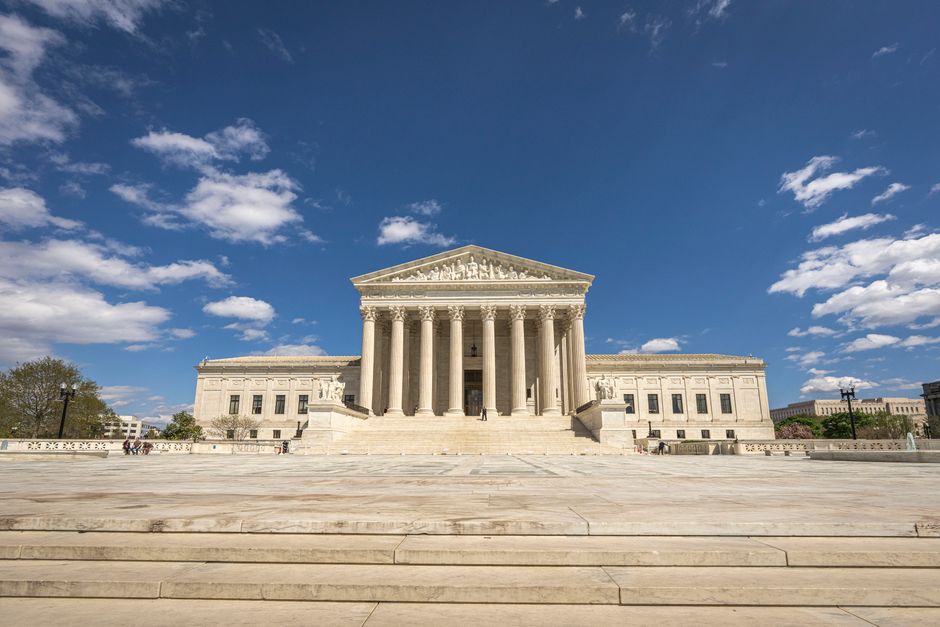
Trump Asks US Supreme Court to Intervene in Deportation to Third Countries
The Trump administration’s controversial policy of deporting asylum seekers to third countries, a practice commonly referred to as "third-country agreements" or "safe third country" arrangements, has reached the highest court in the United States, the Supreme Court. This legal battle signifies a critical juncture in the ongoing debate over immigration policy, national sovereignty, and the humanitarian obligations of the United States. At its core, the administration seeks to expand its ability to remove individuals who enter the country seeking asylum to nations that have not been their origin country, thereby circumventing traditional asylum processing pathways. This legal maneuver, if successful, could dramatically reshape the landscape of asylum law and international refugee protection. The cases before the Supreme Court represent a culmination of legal challenges that have been working their way through the lower federal courts, with various circuit courts reaching different conclusions, necessitating a definitive ruling from the nation’s ultimate judicial authority. The stakes are exceptionally high, impacting not only the lives of asylum seekers but also the principles of due process, the separation of powers, and the United States’ role in global humanitarian efforts. Understanding the nuances of these legal challenges requires an examination of the relevant statutory provisions, constitutional principles, and the practical implications of such policies. The administration’s legal arguments often hinge on interpretations of existing immigration statutes, particularly those pertaining to the inadmissibility of aliens and the executive branch’s authority to negotiate and implement international agreements. Opponents, conversely, emphasize the potential for human rights abuses, the violation of asylum seeker protections guaranteed by both domestic and international law, and the potential for delegating fundamental sovereign responsibilities to other nations. The Supreme Court’s decision will undoubtedly have far-reaching consequences, setting precedents that will guide immigration policy for years to come and influencing how the United States interacts with its neighbors and the international community on matters of asylum and migration.
The legal framework underpinning the administration’s pursuit of third-country deportations is primarily rooted in its interpretation of Section 235(b)(2)(C) of the Immigration and Nationality Act (INA). This section, often referred to as the "safe third country" provision, generally allows the Attorney General to enter into agreements with adjacent or contiguous countries to require asylum seekers arriving at the border to seek asylum in those countries. However, the Trump administration has sought to apply this principle more broadly, even to individuals who do not arrive at the direct border with the designated third country. The administration’s legal strategy has involved negotiating and implementing agreements with various countries, notably with the Northern Triangle countries (El Salvador, Guatemala, and Honduras), and more recently, with Mexico. These agreements, often termed "Asylum Cooperative Agreements" (ACAs), are designed to allow the United States to send asylum seekers to these partner nations to pursue their claims there. The rationale, from the administration’s perspective, is to deter frivolous asylum claims, reduce the strain on the U.S. asylum system, and address the root causes of migration by encouraging individuals to seek protection closer to their home countries. However, critics argue that these agreements are not only legally dubious but also ethically problematic. They contend that these third countries often lack the capacity and resources to adequately process asylum claims, provide essential services to asylum seekers, or ensure their safety. Furthermore, there are concerns that these agreements effectively outsource the United States’ responsibility to protect refugees, a responsibility deeply embedded in American law and international commitments. The legal challenges have focused on several key areas: the statutory authority to enter into such agreements without explicit congressional approval, the constitutionality of delegating asylum processing to foreign governments, and the due process rights of asylum seekers who are denied the opportunity to present their cases before U.S. immigration authorities. The Supreme Court’s review will scrutinize the executive branch’s expansive interpretation of its authority and the potential ramifications for the fundamental rights of individuals seeking refuge.
One of the central legal arguments revolves around the scope of the Attorney General’s authority under Section 235(b)(2)(C) of the INA. While the statute explicitly mentions agreements with "adjacent or contiguous countries," the Trump administration has pushed for interpretations that extend this authority beyond geographical proximity. For instance, the agreement with El Salvador, despite El Salvador not being contiguous to the United States, has been a point of contention. Legal scholars and immigration advocates argue that this expansive interpretation strains the plain language of the statute and usurps congressional prerogative. They contend that Congress, when enacting the INA, intended a more geographically limited application of this provision, not a carte blanche for executive agreements that could effectively create a global asylum processing network outside of U.S. jurisdiction. The administration, conversely, argues that the statute provides sufficient flexibility for the Attorney General to enter into agreements that serve the national interest, even if they involve countries not directly bordering the United States. They point to the inherent foreign policy and national security considerations that justify such agreements. The legal battles have thus engaged in a semantic and statutory interpretation war, with each side seeking to frame the INA in a manner that supports their policy objectives. The Supreme Court’s decision will provide clarity on the permissible boundaries of executive action in this sensitive area of immigration law, potentially setting a significant precedent for future administrations and their ability to unilaterally shape asylum policy.
The constitutionality of these third-country agreements is another significant battleground. Opponents argue that these policies violate the Due Process Clause of the Fifth Amendment, which guarantees that no person shall be deprived of life, liberty, or property without due process of law. They argue that asylum seekers, having reached U.S. territory or being in the process of seeking entry, are entitled to a fair hearing and consideration of their claims by U.S. authorities. Forcing them to pursue asylum in a third country, where they may face further dangers or have their claims unfairly denied due to systemic deficiencies, is seen as a deprivation of their right to due process. Furthermore, there are arguments that these agreements improperly delegate the sovereign responsibility of the United States to adjudicate asylum claims to foreign governments, potentially undermining the principle of separation of powers. Critics contend that Congress, not the executive branch alone, should have the authority to establish broad policy directives regarding asylum processing and international cooperation on refugee matters. The administration’s counterarguments often focus on the executive branch’s inherent authority in foreign affairs and its duty to manage the nation’s borders and immigration system efficiently. They assert that these agreements are a legitimate exercise of executive power aimed at addressing a complex immigration crisis and are not in violation of due process as they provide an alternative pathway for asylum. The Supreme Court will be tasked with balancing the executive’s broad powers in foreign policy and immigration with the constitutional protections afforded to individuals seeking refuge.
Beyond the legal and constitutional arguments, the practical implications of these third-country deportation policies are immense and often dire for asylum seekers. Reports from human rights organizations and investigative journalists have documented instances of asylum seekers being returned to dangerous conditions in their designated third countries, facing violence, exploitation, and inadequate access to basic necessities and legal representation. For example, individuals sent to Mexico under the Migrant Protection Protocols (MPP), a precursor to some of the ACA agreements, often faced prolonged detentions in squalid conditions, increased risk of kidnapping and extortion, and limited access to credible asylum processing. The effectiveness of these agreements in genuinely providing protection is highly questionable, leading to concerns that they are primarily designed to deter asylum claims rather than facilitate legitimate refugee protection. The conditions in many of the designated third countries are often far from what would be considered "safe" or capable of providing a fair asylum process. This raises profound ethical questions about the United States’ moral responsibility to those fleeing persecution and torture. The Supreme Court’s decision, therefore, will not only have legal ramifications but will also significantly impact the humanitarian landscape for vulnerable populations seeking safety and refuge, potentially leading to increased suffering and displacement if such policies are broadly upheld. The legal arguments, while abstract, have very real-world consequences for individuals whose lives hang in the balance.
The cases before the Supreme Court, such as Department of Homeland Security v. Regents of the University of California (which dealt with DACA but established important principles regarding executive authority and agency action, and related cases that could arise concerning third-country agreements), are indicative of the broader legal challenges to the administration’s immigration policies. While specific case names dealing solely with third-country deportations might vary, the underlying legal questions regarding executive power, statutory interpretation, and constitutional rights are consistent. The lower courts have been divided, with some upholding certain aspects of the agreements and others striking them down. For instance, some circuit courts have found that the administration exceeded its statutory authority in implementing certain ACAs, while others have deferred to the executive branch’s interpretations of immigration law. This judicial fragmentation underscores the urgency for a Supreme Court ruling that can bring consistency and clarity to this critical area of law. The administration’s request for Supreme Court intervention signals a desire to solidify its policy and to potentially expand its ability to implement such agreements nationwide, or at least to have its interpretations of the INA upheld as authoritative. The arguments presented to the Supreme Court will likely involve complex legal briefs, extensive historical analysis of immigration law, and potentially amicus curiae briefs from a wide array of organizations, including human rights groups, legal scholars, and former government officials. The Supreme Court’s ultimate decision will serve as a significant pronouncement on the balance of power between the executive and legislative branches, the interpretation of statutes designed to protect vulnerable populations, and the United States’ commitment to its humanitarian obligations in the face of evolving global migration patterns. The implications of this decision will reverberate far beyond the courtroom, shaping immigration policy and the lives of countless individuals for years to come.
