New research identifies critical enzyme role in preventing progression of metabolic liver disease

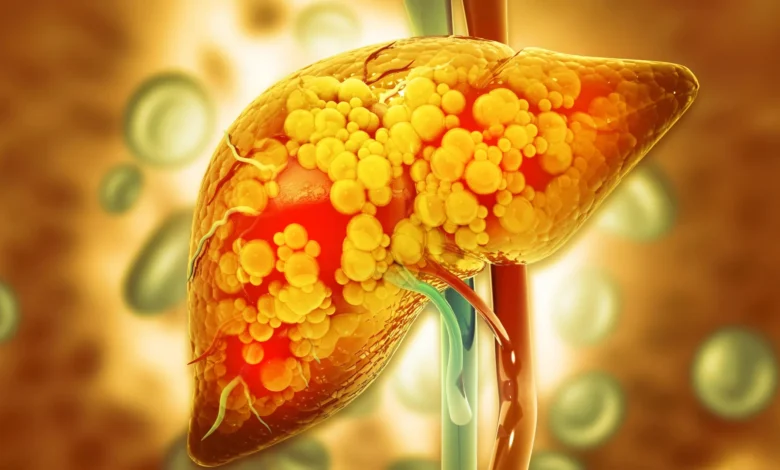
A collaborative team of researchers, co-led by the Cedars-Sinai Health Sciences University, has identified a pivotal enzyme that functions as a molecular guardian for the liver, potentially halting the transition from common fatty liver disease to more severe, life-threatening complications. The findings, published in the peer-reviewed journal Nature Metabolism, highlight the role of the enzyme UBE2N in mitigating the cellular decay that characterizes metabolic dysfunction-associated steatohepatitis (MASH). By uncovering this biological mechanism, the study provides a critical roadmap for future pharmaceutical interventions aimed at preventing liver failure in a patient population that spans approximately 100 million Americans.
The Rising Crisis of Metabolic Liver Disease
Metabolic dysfunction-associated steatotic liver disease (MASLD), formerly known as nonalcoholic fatty liver disease (NAFLD), represents a growing public health crisis. The American Liver Foundation estimates that one in three adults in the United States currently lives with some form of the condition. While the initial stages of the disease are often asymptomatic—characterized primarily by the accumulation of excess fat within the hepatocytes (liver cells)—the condition can serve as a precursor to more severe systemic health issues, including cardiovascular disease and type 2 diabetes.
The clinical concern arises when the disease progresses to MASH. In this stage, the liver is no longer just storing excess fat; it is undergoing significant structural changes. The presence of excess fat triggers an inflammatory cascade, which eventually leads to cell injury and the development of fibrotic scarring. As this scarring, or cirrhosis, accumulates, the liver’s ability to filter toxins, process nutrients, and regulate blood clotting is severely compromised, often leading to a need for liver transplantation or resulting in liver cancer.
The Role of Mitochondrial Dysfunction
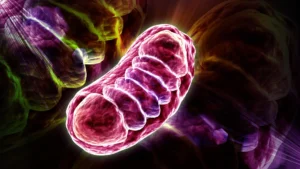
For years, the scientific community has hypothesized that the engine of MASH progression lies deep within the cell. Specifically, researchers have focused on the mitochondria—the cellular "powerhouses" responsible for energy production. In a healthy liver, mitochondria efficiently process lipids and maintain cellular homeostasis. However, in the presence of metabolic stress, these organelles become damaged.
When mitochondria are compromised, they fail to process fats effectively, leading to lipid buildup and the release of reactive oxygen species, which further damage the cell. The study conducted by Cedars-Sinai sheds light on why this damage spirals out of control. The research team discovered that as MASLD advances, the natural levels of the enzyme UBE2N significantly decline. This reduction creates a "perfect storm" for the liver: without sufficient UBE2N, the liver cells lose their ability to clear away damaged mitochondria—a process known as mitophagy—and their capacity to metabolize fat is severely hindered.
Chronology of the Discovery
The research, which involved a multicenter effort, was structured to validate the correlation between UBE2N depletion and liver pathology.
- Phase I (Baseline Analysis): The team performed a comparative analysis of human liver samples at varying stages of steatotic disease. They observed a consistent inverse relationship: as the severity of the inflammatory damage increased, the expression levels of UBE2N consistently dropped.
- Phase II (Mechanistic Validation): Utilizing preclinical laboratory models, the team observed that when UBE2N was artificially suppressed, the mice exhibited accelerated liver damage, characterized by increased lipid accumulation and heightened inflammatory markers.
- Phase III (Restoration Experiment): In a breakthrough observation, the researchers successfully restored UBE2N levels in the livers of the laboratory mice. The physiological response was immediate and measurable; the liver tissue showed a significant reduction in fat deposits, a cooling of inflammatory signals, and a decrease in fibrotic scarring.
This sequence of events provides a compelling case that UBE2N is not merely a bystander in liver health but a functional regulator of mitochondrial integrity.
Expert Perspectives and Scientific Implications
Dr. Ekihiro Seki, a professor of Medicine and Biomedical Sciences at Cedars-Sinai and co-corresponding author of the study, emphasized the dual-action benefit of the enzyme. "The UBE2N enzyme appears to protect the liver from the inflammation and damage associated with MASH by helping remove damaged mitochondria and supporting the breakdown of fat," Dr. Seki stated. The implication of his findings is that therapeutic strategies aimed at "recharging" or augmenting UBE2N levels could provide a pharmacological bridge to prevent the transition from simple steatosis to terminal liver disease.
Dr. Shelly Lu, director of the Karsh Division of Gastroenterology and Hepatology at Cedars-Sinai, contextualized the discovery within the broader scope of digestive health. "The identification of this enzyme’s role in regulating mitochondria in the liver is an important advance in understanding steatotic liver disease," Dr. Lu noted. She highlighted that the next logical step for the research team will be to determine how this pathway can be integrated into existing care protocols. "Future studies can test whether enhancing this protective pathway can complement existing treatments, identify patients most likely to benefit, and lead to new therapeutic approaches for preventing advanced disease."
Current Treatment Landscape and Future Outlook
Currently, the clinical approach to MASLD is largely defensive. Medical professionals primarily recommend aggressive lifestyle interventions, such as weight loss through caloric restriction and increased physical activity, which remain the "gold standard" for early-stage management. However, for patients who progress to MASH, the options are markedly limited. While new medications are entering the market, none currently offer a curative outcome, and the focus remains on slowing the progression of fibrosis to prevent end-stage liver disease.
The discovery of the UBE2N pathway offers a specific, molecular target that could lead to the development of novel therapies. Unlike generic metabolic regulators, a drug designed to stimulate or mimic UBE2N activity could potentially address the root cause of mitochondrial failure.
The study involved a broad range of collaborators, including researchers from various global institutions, indicating the high priority that the medical community places on addressing this silent epidemic. Funding for the project was provided by a robust network of international health organizations, including the National Institutes of Health (NIH), the American Association for the Study of Liver Diseases (AASLD), and various Korean and Chinese research foundations. This global backing underscores the universal burden of steatotic liver disease and the high demand for new pharmacological interventions.
Analysis of Clinical Implications
The transition from a basic scientific discovery to a clinical application is a rigorous process, but the implications of the UBE2N study are clear. If clinical trials can replicate the results observed in mice—namely, the reduction of inflammation and fibrosis through enzyme modulation—this could revolutionize how clinicians categorize risk.
Currently, clinicians often rely on invasive liver biopsies to determine the stage of MASH. If UBE2N levels can be monitored as a biomarker, it could lead to less invasive diagnostic tools that predict which patients are at the highest risk of rapid deterioration. Furthermore, the identification of a protective protein provides a pathway for "chemoprevention," where high-risk patients—such as those with metabolic syndrome—could receive prophylactic treatment to boost mitochondrial health before permanent liver damage occurs.
As the scientific community digests these findings, the focus will likely shift to the safety and efficacy of targeting UBE2N in human subjects. Given the complexity of liver metabolism, researchers must ensure that any intervention designed to boost this enzyme does not inadvertently disrupt other vital cellular pathways. However, the initial evidence presented in the Nature Metabolism study suggests that the UBE2N pathway is a promising candidate for further investigation.
By linking mitochondrial quality control directly to the prevention of MASH, the Cedars-Sinai team has provided a sophisticated, actionable target. For the millions of individuals living with the shadow of metabolic liver disease, this research represents a vital step forward in the quest to preserve liver function and improve long-term clinical outcomes.
Related posts: