Breaking Through the Shield: Novel Vitamin D Therapy Shows Promise in Reprogramming Pancreatic Tumor Environments

Pancreatic cancer has long been categorized as one of the most lethal and treatment-resistant malignancies in modern medicine, characterized by a survival rate that has remained stubbornly low for decades. A recent collaborative clinical trial, conducted by researchers at the Dana-Farber Cancer Institute and underpinned by fundamental discoveries at the Salk Institute for Biological Studies, has unveiled a potential breakthrough in how clinicians approach the disease. By utilizing a vitamin D analog to "reprogram" the dense, protective barrier that surrounds pancreatic tumors, the study suggests a pathway to making these aggressive cancers significantly more vulnerable to conventional chemotherapy.
The findings, published in the peer-reviewed journal Nature Cancer, detail a Phase 1b clinical trial involving patients diagnosed with previously untreated metastatic pancreatic cancer. The study marks a significant milestone in translational medicine, successfully moving a concept from laboratory benchtop models to human clinical application.
The Biological Challenge of Pancreatic Cancer
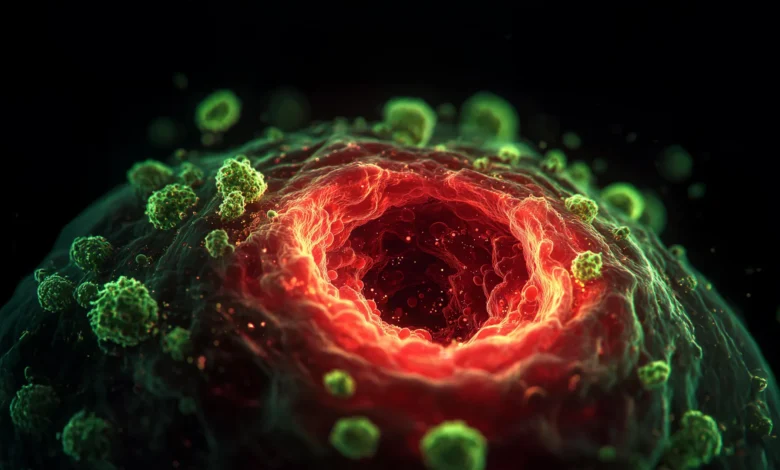
To understand the significance of this research, one must first understand the unique biology of pancreatic ductal adenocarcinoma (PDAC). Unlike many other tumors, pancreatic cancer cells are typically enveloped in a dense, fibrotic "stroma." This protective shell consists of connective tissue cells, specifically cancer-associated fibroblasts, which create a physical and chemical blockade.
This stroma serves a dual purpose for the tumor: it acts as a physical barrier that prevents chemotherapy drugs from effectively penetrating the core of the mass, and it creates an immunosuppressive microenvironment that effectively blinds the body’s own T-cells, preventing them from identifying and destroying the cancerous cells. Historically, attempts to destroy this barrier have failed, often because the strategies were too blunt, causing damage to healthy tissue or failing to address the underlying signaling pathways that keep the stroma in a state of chronic, tumor-supporting activation.
The Salk Foundation: Decoding the Vitamin D Receptor
The roots of this clinical strategy trace back to the work of Ronald Evans, PhD, at the Salk Institute. Evans is a pioneer in the study of the nuclear receptor superfamily—a group of molecules that act as the body’s internal switches, regulating gene expression in response to hormones, vitamins, and lipids.
Decades of research led Evans to discover that the vitamin D receptor (VDR) is not merely a regulator of bone health, but a master switch for cellular inflammation and fibrosis. His laboratory studies revealed that when the VDR is activated in specific fibroblast populations, it effectively "turns off" their pro-tumorigenic behavior.
In preclinical models, Evans and his team demonstrated that synthetic vitamin D analogs—specifically paricalcitol—could suppress the activation of these fibroblasts. Unlike natural vitamin D, which is quickly metabolized, paricalcitol is engineered to persist longer, allowing it to exert a sustained effect on the tumor microenvironment. By targeting the stroma rather than the tumor cells directly, the researchers hypothesized they could essentially "soften" the tumor’s defenses, allowing chemotherapy to achieve higher concentrations within the malignancy.
Clinical Implementation: The Dana-Farber Trial
Building on the Salk findings, a team at the Dana-Farber Cancer Institute, led by Dr. Brian Wolpin and Dr. Kimberly Perez, initiated a randomized, controlled trial to test the safety and efficacy of adding paricalcitol to the standard-of-care chemotherapy regimen for metastatic pancreatic cancer: gemcitabine plus nab-paclitaxel.
The trial enrolled 36 patients, divided into three cohorts. The first group received the standard chemotherapy plus a placebo; the second received chemotherapy plus intravenous paricalcitol; and the third received chemotherapy plus oral paricalcitol. The primary endpoint was safety and tolerability.
The results were encouraging. The researchers found that paricalcitol could be safely administered in combination with chemotherapy. While some patients in the oral cohort experienced hypercalcemia (elevated blood calcium levels)—a known potential side effect of vitamin D-related compounds—it was effectively managed through standard dosage adjustments.
Evidence of Stromal Remodeling
The study’s most compelling evidence came from tumor biopsies collected before and after four to six weeks of treatment. Using advanced spatial transcriptomics and multiplex immunofluorescence, the researchers were able to visualize the biological impact of the drug on the tumor environment.
The data confirmed that paricalcitol successfully reduced the activation markers of fibroblasts within the tumor. Furthermore, the analysis showed an increased infiltration of T-cells into the tumor tissue, a clear indication that the protective "shield" had been breached. This successful remodeling of the tumor microenvironment confirms that the clinical effect observed in patients mirrors the mechanisms previously identified in the laboratory.
Encouraging Survival and Response Signals
While the trial was designed primarily for safety, the clinical response data was striking enough to warrant further investigation. Among the 24 patients who received paricalcitol, 42% achieved a partial response to treatment, compared to only 9% in the placebo group. Perhaps more tellingly, 21% of the paricalcitol-treated patients remained progression-free at the one-year mark, a threshold that no patient in the placebo group reached.
Even more significant was the correlation between vitamin D receptor (VDR) expression and survival. Patients whose tumors possessed high levels of the vitamin D receptor experienced the longest overall survival times when treated with paricalcitol. This suggests that the VDR level could serve as a "biomarker"—a diagnostic tool to help clinicians identify which specific patients are most likely to benefit from this combination therapy.
Implications for Future Oncology
The transition of this therapy from a lab-based curiosity to a clinical reality offers a roadmap for future cancer treatment strategies. The concept of "stromal remodeling" represents a paradigm shift: instead of trying to hit the cancer with increasingly toxic doses of chemotherapy, the focus moves toward normalizing the environment around the tumor to allow existing therapies to do their job more effectively.
Dr. Kimberly Perez of Dana-Farber noted that the study serves as an essential bridge between basic science and clinical standard-of-care evolution. "This study is an important step forward for the use of a vitamin D analog as a stromal remodeling therapy that can overcome therapeutic resistance," she stated.
However, the medical community remains cautious, emphasizing that this was a small, early-phase trial. The next steps will involve larger, multi-center Phase 2 and Phase 3 trials to definitively prove that the addition of paricalcitol improves overall survival compared to standard chemotherapy alone.
A New Standard of Care?
If larger trials confirm these initial signals, the integration of paricalcitol could become a low-cost, widely accessible, and relatively safe addition to the treatment of pancreatic cancer. Because paricalcitol is already FDA-approved for the treatment of secondary hyperparathyroidism in chronic kidney disease patients, the path to regulatory approval for cancer treatment—should the data hold—could be expedited.
The broader implications extend beyond pancreatic cancer as well. Many other solid tumors, including certain types of breast and colorectal cancers, are also characterized by dense, fibrotic stroma. If the mechanism of VDR-mediated stromal remodeling proves robust, the strategy could potentially be adapted to treat a wide array of notoriously difficult-to-reach solid tumors.
As the research moves forward, the focus will likely shift to refining the biomarker testing. Ensuring that patients are screened for VDR levels prior to treatment will be critical to the success of future trials, ensuring that the right patients receive the right therapy at the right time. For a disease as challenging as pancreatic cancer, the prospect of turning a standard vitamin D analog into a potent partner for chemotherapy represents one of the most promising developments in oncology in recent years.
Related posts: