Niacin therapy emerges as a potential breakthrough in the clinical battle against aggressive glioblastoma brain tumors

Edward Waldner was 55 years old when the trajectory of his life shifted irrevocably. Initially, the persistent, bone-deep exhaustion he experienced was easy to dismiss as a byproduct of a demanding lifestyle or perhaps a consequence of sleep apnea. However, the physical manifestations of his underlying condition soon became impossible to ignore. A subtle drag in his gait and a loss of coordination served as the first warning signs of a neurological crisis. When he finally presented himself to the Emergency Department, the subsequent diagnostic imaging revealed a reality that few patients are prepared to face: a mass on his brain.
The diagnosis was glioblastoma, a Grade 4 astrocytoma that stands as the most aggressive and lethal form of primary brain cancer in adults. Characterized by its infiltrative nature, the tumor cells weave themselves into the healthy architecture of the brain, making complete surgical resection a clinical impossibility. Despite the standard-of-care regimen—a tripartite approach involving surgical debulking, focal radiation therapy, and concurrent chemotherapy with temozolomide—the prognosis for glioblastoma remains grim. Recurrence is the rule rather than the exception, and for two decades, survival rates for these patients have remained stagnant.
A Novel Scientific Intervention
At the University of Calgary, a multidisciplinary team from the Hotchkiss Brain Institute and the Arnie Charbonneau Cancer Institute is investigating a paradigm shift in how clinicians approach this malignancy. Led by Dr. Gloria Roldan Urgoiti, an oncologist specializing in neuro-oncology, and Dr. Wee Yong, a prominent neuroscientist, the research team is testing whether high doses of Vitamin B3—niacin—can alter the internal environment of the tumor to the patient’s advantage.
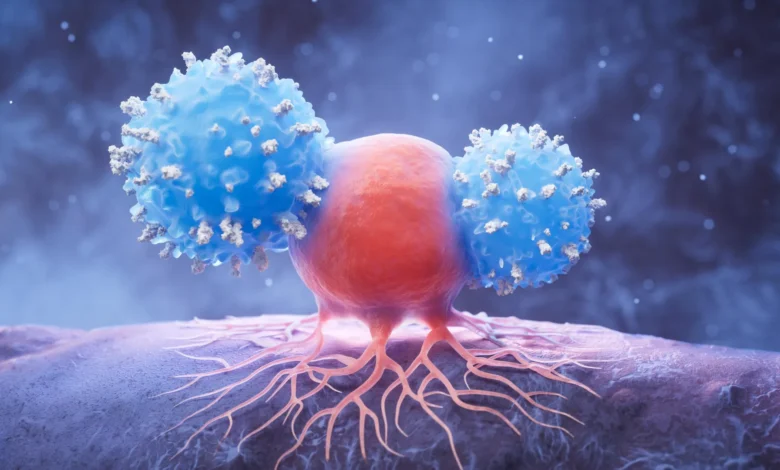
The premise of the study is rooted in the tumor’s ability to hijack the patient’s immune system. Glioblastoma cells do not merely grow; they actively suppress the immune cells that would otherwise identify and destroy them. The research hypothesis posits that niacin, when administered in specific, controlled doses, acts as a metabolic "reboot" for these exhausted immune cells. By rejuvenating the immune response, the researchers hope to arm the body with the biological tools necessary to fight the cancer from within.
Chronology of a Clinical Trial
The journey from the laboratory bench to the clinical bedside began with Dr. Yong’s foundational research using murine models. These preclinical trials demonstrated that niacin supplementation significantly extended survival in mice, providing the necessary signal to justify a transition to human testing.
Following these successes, the team launched a combined Phase I/Phase II clinical trial. In the context of cancer research, Phase I trials prioritize patient safety, establishing the maximum tolerated dose and identifying potential adverse reactions. Phase II trials shift the focus to efficacy, looking for early indicators of clinical benefit.
For participants like Waldner, the trial has provided a glimmer of hope that standard protocols could not offer. After his surgery, the traditional clinical path offered limited options for long-term management. Joining the trial, he notes, provided not only a potential therapeutic advantage but also a psychological lifeline. "When I left the hospital after surgery I was told, that’s it, that’s all we can do," Waldner recalls. "I have no problem trying to help anybody. I agreed. I want to help myself too."
Early Data and Statistical Significance
The study recently reached a critical milestone, with preliminary results published in the Journal of Neuro-Oncology. The research team set a rigorous benchmark for the trial: they would continue the study only if progression-free survival (PFS) at the six-month mark improved by at least 20 percent compared to historical controls.
The results from the first 24 participants surpassed these expectations. At the six-month evaluation point, 82 percent of the patients remained progression-free. When compared against historical datasets for glioblastoma treatment, this represents a 28 percent increase in progression-free survival. While the medical community remains cautious—acknowledging that 24 patients constitute a small sample size and that the findings are preliminary—the data provides a clear signal that the intervention warrants further investigation.
Understanding the Mechanism: Reawakening the Immune System
Dr. Wee Yong describes the struggle as an "ongoing battle for the brain." The tumor creates a hostile microenvironment, secreting factors that effectively "turn off" the patrolling immune cells. The use of controlled-release niacin is designed to counteract this immunosuppression.
"Normally the immune system will try to counter and prevent tumor growth, however, this brain cancer suppresses the immune system," says Dr. Yong, a professor at the Cumming School of Medicine. "Niacin treatment rejuvenates immune cells so they can do what they are supposed to do, attack and kill the cancer cells."
This approach is distinct from traditional immunotherapy, which often involves complex and expensive systemic agents. By targeting the metabolic health of immune cells with a well-understood vitamin, the researchers are exploring a cost-effective and potentially less toxic adjuvant to standard chemotherapy and radiotherapy.
Safety Protocols and Medical Oversight
A critical component of this research is the distinction between dietary supplementation and clinical-grade niacin therapy. The researchers are emphatic: the high doses used in the trial are not to be attempted by the public as a self-managed treatment. Niacin at high concentrations can induce significant side effects, including hepatotoxicity and gastrointestinal distress, and must be administered under strict clinical protocols.
"Anything that may help should be explored, but it requires strict protocols and safety monitoring," explains Dr. Roldan Urgoiti. The study currently monitors participants for toxicity markers, ensuring that the benefit of the niacin does not come at the cost of the patient’s overall physiological health.
Broader Implications for Neuro-Oncology
The implications of this study extend beyond the immediate treatment of glioblastoma. If the trial successfully demonstrates that metabolic modulation can enhance the immune response, it could pave the way for similar strategies in other cancers characterized by immune evasion.
For the medical community, the 20-year plateau in glioblastoma survival rates is a source of profound frustration. The current trial, supported by the Canadian Institutes of Health Research and the Alberta Cancer Foundation, represents a departure from the "surgery-radiation-chemo" triad that has dominated the field since the early 2000s.
By focusing on the immune system’s role in suppressing or promoting tumor growth, the Calgary team is aligning with the broader trend toward personalized and immunological cancer therapies. However, they remain grounded in the reality of the disease. Glioblastoma is notoriously adaptable; it often evolves to bypass the very treatments designed to destroy it. Therefore, the trial’s long-term goal—to reach 48 participants and complete a comprehensive analysis by 2026 or 2027—is essential to determining whether this "promising signal" holds up under the weight of long-term survival data.
The Human Element
For patients such as Edward Waldner, the statistics and clinical benchmarks translate into a simple, tangible reality: stability. Every routine scan that confirms his cancer is stable is a victory.
"I can tell you being part of this research helps me mentally because we’re trying," says Waldner. His experience highlights the dual burden of a terminal diagnosis: the physiological toll of the disease and the psychological weight of feeling that medical options have been exhausted. By providing a clinical avenue that explores new biological pathways, the researchers at the University of Calgary are offering something that the standard of care often neglects—a sense of active agency in the face of an incurable condition.
As the study continues to recruit and monitor, the medical world watches with cautious optimism. Whether niacin will become a new standard in the treatment of glioblastoma remains to be seen, but the preliminary results provide the first substantive reason in years to believe that the "battle for the brain" may be shifting in favor of the patient.