The Real-Life Surgeon Who Inspired Sherlock Holmes: An Investigation into the Medical Genius of Joseph Bell

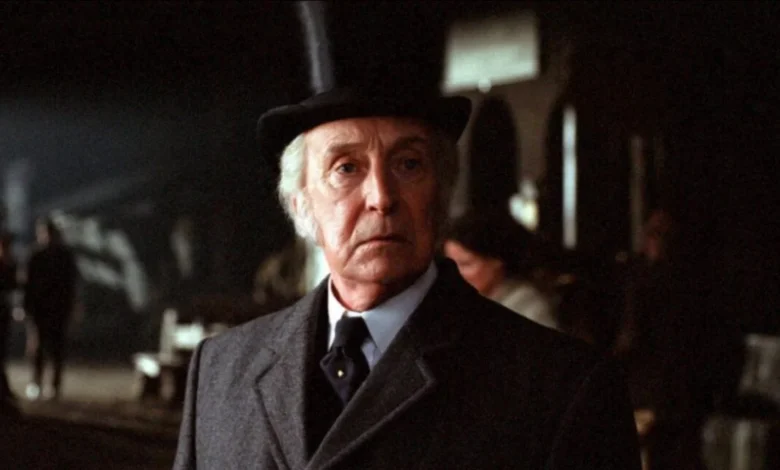
Sir Arthur Conan Doyle created one of the most enduring icons in literary history when he introduced Sherlock Holmes to the world in 1887. While the character is often viewed as a singular product of the author’s imagination, the detective’s legendary powers of deduction were rooted in the clinical observation skills of Dr. Joseph Bell, a renowned surgeon and lecturer at the University of Edinburgh. In her latest work, Sleuth-Hound: The Case of the Real Sherlock Holmes, medical historian Lindsey Fitzharris peels back the layers of myth to reveal the complex, often contradictory man who served as the blueprint for the world’s most famous sleuth.
The Clinical Genesis of a Detective
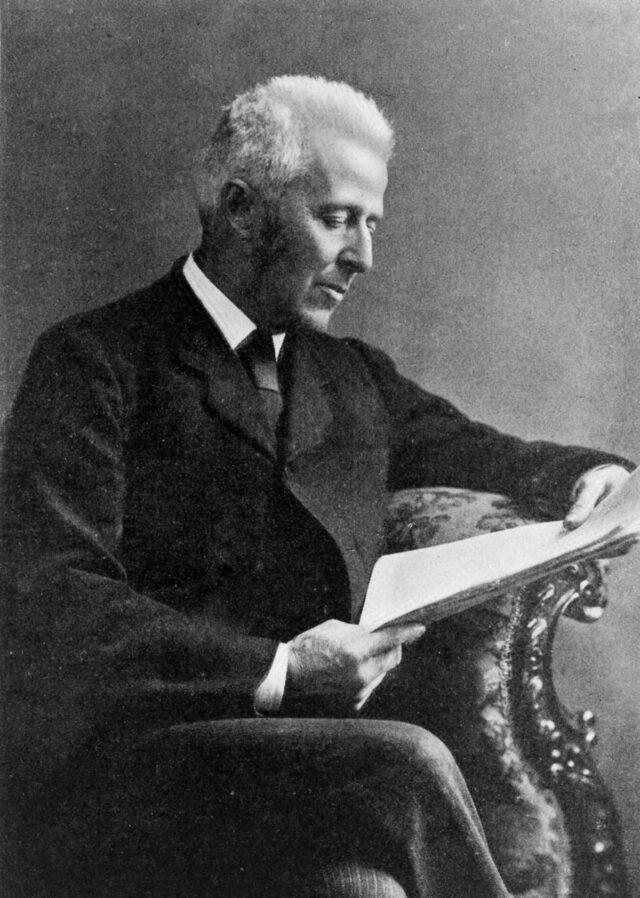
The connection between Bell and Conan Doyle began in 1878 when a young, struggling medical student attended Bell’s outpatient clinic at the Royal Infirmary of Edinburgh. Bell, a man of imposing intellect and precise habits, possessed an uncanny ability to diagnose a patient’s life history, occupation, and temperament before they had uttered a single word. He famously identified a patient as a retired non-commissioned Highland soldier simply by noting his rigid posture, his specific accent, and a certain brand of tattoo—observations that seemed like magic to his students.
Conan Doyle, who served as Bell’s clerk, was mesmerized. He noted in his memoirs that Bell’s focus was always upon the minutiae: a smear of clay on a boot, the callouses on a thumb, or the slight discoloration of a fingernail. These were not merely medical indicators; they were narrative clues. While Bell was a pioneer in clinical observation, he was also a man of deep empathy and, following the tragic death of his wife in 1874, a dedicated single father. Unlike the cold, analytical Holmes, Bell was known for his warmth toward his patients and his professional devotion to his colleagues.
Chronology of a Scientific Partnership
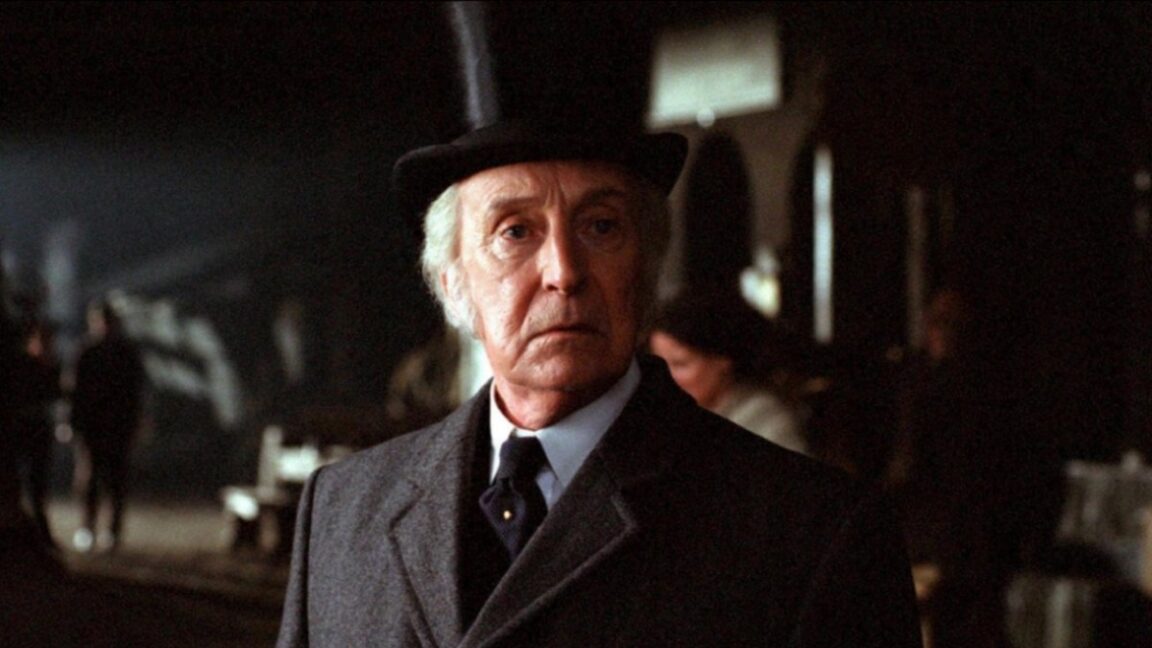
The transition from clinical medicine to forensic science in the late 19th century was not a clean break but an evolution driven by figures like Bell and his contemporary, Henry Duncan Littlejohn. Littlejohn, a police surgeon, was a transformative figure in Scottish law enforcement, championing the use of fingerprinting and early forensic photography.
The timeline of this forensic revolution aligns closely with the cases Bell assisted in. In the 1870s and 1880s, the legal system in Scotland began to rely more heavily on scientific testimony. Bell’s participation in these investigations was often quiet, conducted in the shadows of the courtroom, yet his influence was felt in high-profile trials. The 1878 Chantrelle murder case serves as a primary example of this shift. Eugene Chantrelle, a French tutor, attempted to disguise his wife’s poisoning as an accidental gas leak. Through meticulous toxicological analysis—a nascent field at the time—Bell and Littlejohn successfully linked the chemical evidence to the perpetrator. The case is legendary not only for the conviction but for the chilling final words of the defendant, who, while facing the gallows, reportedly addressed the audience with a taunt directed at the surgeon who had brought him to justice.
The Dark Reality of Victorian Forensics
While the era is often romanticized through the lens of detective fiction, the reality of 19th-century forensics was frequently grim. As Fitzharris highlights in her research, the advancement of medical science during this period was often built upon the tragic circumstances of society’s most vulnerable.
The "baby farming" epidemic of the Victorian era provides a harrowing look at the societal failures that necessitated forensic intervention. With no legal framework for adoption and limited access to birth control, impoverished women often turned to "baby farmers"—individuals who claimed to care for unwanted children in exchange for a fee. In practice, many of these infants were neglected or murdered. The case of Jessie King, who was exposed through the forensic work of Bell and Littlejohn, stands as a testament to the brutal nature of the crimes that defined the era. The investigation required the scientists to perform post-mortems on children, a task that underscored the human cost of the era’s unchecked poverty and systemic cruelty.
Forensic Medicine and the Modern World
The implications of Bell’s work extended far beyond the pages of literature. He was instrumental in establishing the legitimacy of the medical expert witness. Before the late 1800s, testimony was often based on conjecture or character assessment. The introduction of standardized, evidence-based pathology into the courtroom fundamentally changed the pursuit of justice.
From a modern perspective, the progress made by these early investigators is staggering. In the 19th century, the "golden era of poisoning" meant that many murders went undetected due to the lack of sensitive toxicological testing. Today, the field of forensic medicine has advanced to the point where even trace amounts of substances can be detected, and DNA evidence provides a level of certainty that would have been unimaginable to a Victorian surgeon.
However, as Fitzharris notes, the history of medicine is not a linear march toward perfection. It is a story of trial and error. The current public discourse regarding public health, specifically the rising skepticism toward vaccines and the resurgence of preventable diseases, serves as a sobering reminder of what happens when historical memory fades. Medical historians argue that the "superpower" of understanding the past is the ability to recognize the hard-won victories of science. When Bell was working in the Royal Infirmary, measles and polio were life-altering, often lethal threats. The return of these diseases in modern populations suggests a disconnect between contemporary society and the medical history that shaped our current standards of care.
The Legacy of the Real Sherlock
Why did Conan Doyle focus so heavily on the cold, calculating side of Bell while largely omitting his deep humanity? The answer may lie in the nature of fiction itself. Caricature, as noted by contemporary artists like Adrian Teal, often requires a degree of distance. Conan Doyle knew Bell as a teacher—a figure of authority and intellectual intimidation. He did not know the man who mourned his wife for decades or the man who sat by the bedside of dying patients with genuine concern.

By isolating the "Sleuth-Hound" element of Bell’s personality, Conan Doyle created a cultural icon, but he also created a caricature that, in some ways, obscured the reality of the profession. Bell’s life was defined by the intersection of science and suffering. He was not merely a solver of puzzles; he was a healer who understood that every patient, like every crime victim, had a story that could be read through the lens of science.
As the study of medical history continues to evolve, the story of Joseph Bell serves as a crucial bridge between the past and the present. It reminds us that the "Sherlock Holmes" method of observation is not just a parlor trick for detectives, but a vital clinical practice that has saved countless lives. Whether through the eradication of smallpox or the ongoing development of personalized cancer vaccines, the commitment to observation, evidence, and systematic analysis remains the cornerstone of medical progress.
In reflecting on the trajectory of her own career and the broader history of medicine, Fitzharris emphasizes that while the past is filled with dark and macabre chapters, it is also a narrative of immense resilience. The forensic techniques pioneered in the damp, crowded wards of Edinburgh provided the foundation for a legal and medical system that prioritizes truth over assumption. Ultimately, the legacy of Joseph Bell is not found solely in the fictional exploits of a deerstalker-clad detective, but in the enduring, life-saving work of every scientist who continues to look for the truth hidden in the details.
Related posts: