The Unceremonious Departure of Christian Horner and the Shift in Red Bull Racing Corporate Governance


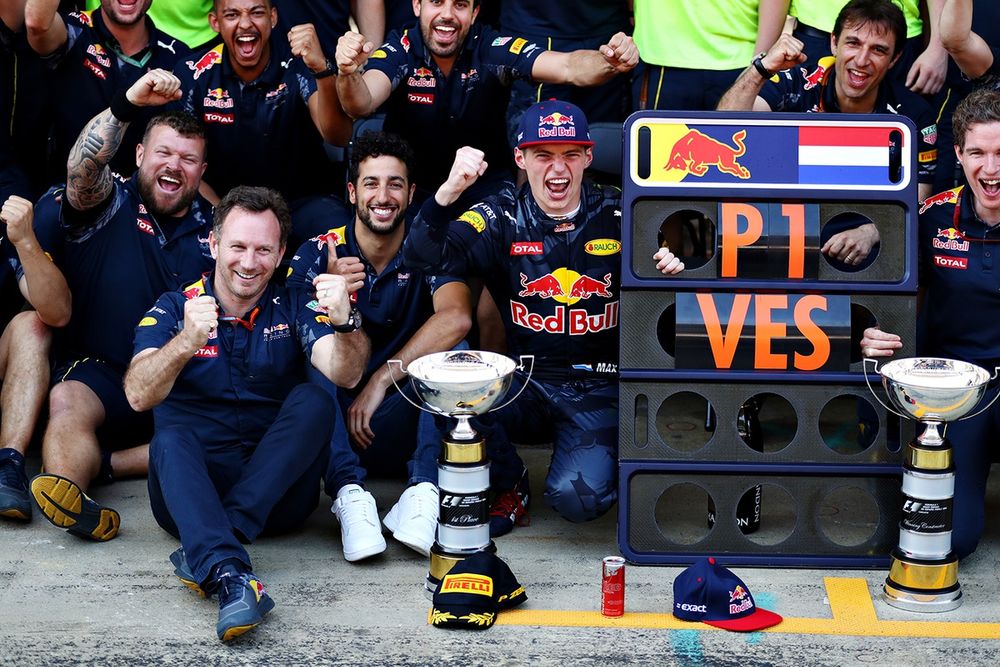
The termination of Christian Horner as Team Principal of Red Bull Racing on July 9, 2025, marked the conclusion of a two-decade era that fundamentally reshaped the landscape of Formula 1. Following fifteen months of relative silence, Horner’s recent interview with 60 Minutes Australia has provided the most comprehensive account yet of the internal friction that precipitated his exit. His departure was not merely a reaction to a mid-season performance slump, but rather the culmination of a protracted power struggle within the Red Bull conglomerate, intensified by the 2022 passing of co-founder Dietrich Mateschitz.
The Anatomy of an Exit: A Chronology of Instability
To understand the catalyst for Horner’s removal, one must analyze the timeline of the Red Bull Racing crisis. The instability began in early 2024, characterized by intense media scrutiny surrounding allegations against Horner. While an internal investigation eventually cleared him of wrongdoing, the incident acted as a stress test for the team’s leadership structure.
Throughout the first half of 2025, Red Bull Racing faced an unprecedented performance crisis. Despite having dominated the sport for three consecutive years, the team secured only two Grand Prix victories in the opening months of the 2025 season. This slump served as the final leverage point for the Austrian parent company, which had been seeking to exert greater control over the Milton Keynes-based racing operation. By July 9, 2025, the internal pressure became untenable, and the decision was made to terminate the contract of the longest-serving Team Principal in the history of the sport.
The Power Struggle: "Christian Racing" vs. Corporate Alignment
The friction between Horner and the Austrian board was, at its core, a clash of institutional identities. Under Mateschitz, the racing team operated with a high degree of autonomy, a philosophy that allowed Horner to build a vertical powerhouse. Following Mateschitz’s death, the corporate office in Fuschl am See began to prioritize a more centralized management structure.

Horner’s candid reflections suggest that the term "Christian Racing" was used by his detractors as a pejorative to describe his consolidated authority. "I was told it was more like Christian Racing than Red Bull Racing," Horner stated during the interview. This suggests that the board perceived the team’s success as being too closely tied to an individual rather than the corporate entity, leading to a deliberate strategy to dismantle that concentration of power.
Data-Driven Legacy: The Performance Audit
In his defense, Horner pointed toward the statistical dominance he oversaw as the objective metric of his tenure. A review of his record during his 20-year command highlights a period of unparalleled success:
- World Championships: 14 titles (a combination of Drivers’ and Constructors’ championships).
- Grand Prix Victories: 124 wins.
- Podium Finishes: 287 appearances.
- Commercial Growth: Over $3 billion in generated sponsorship revenue.
- Strategic Infrastructure: The successful creation of Red Bull Powertrains, an internal engine development division that reduced reliance on external suppliers.
Horner’s argument remains that his termination ignored these longitudinal performance markers in favor of short-term reactionary politics. By highlighting the creation of the Powertrains division, he emphasized that his vision was not merely about on-track racing, but about establishing long-term technical sovereignty for the team.
The Competitive Irony: A Post-Horner Recovery
The irony of the situation remains a subject of intense debate among F1 analysts. Almost immediately following the leadership transition, the Red Bull Racing team experienced a resurgence. Max Verstappen, the team’s primary driver and a key figure in the team’s internal politics, saw his performance stabilize, winning six of the nine races following the personnel shift.
This resurgence presents a complex narrative. Critics of Horner might argue that the team’s recovery proves his presence had become a limiting factor, or that the internal friction he caused was the primary drag on morale. Conversely, supporters argue that the team was simply benefiting from the robust foundation and engineering momentum that Horner had meticulously built over the preceding decade.

Horner himself acknowledged the bittersweet nature of watching this success from the sidelines. "It’s kind of looking through the window of a party that you’re not invited to," he reflected, noting that the inability to celebrate these victories with the team he spent twenty years cultivating remains a significant point of personal disappointment.
Broader Implications for Formula 1 Governance
The Horner case study serves as a warning regarding the volatility of corporate-owned sports franchises. In Formula 1, where the margin between victory and defeat is measured in milliseconds, internal stability is as vital as engineering excellence. The Red Bull situation illustrates the risks associated with a transition of power within a team’s ownership structure. When corporate mandates clash with the established culture of a high-performance team, the resulting instability often impacts the entire organization, from the pit wall to the factory floor.
For the FIA and the sport’s commercial rights holders, the event highlights a need for greater transparency regarding the governance of major teams. The "Christian Racing" conflict suggests that the sport is moving toward a model where teams are increasingly treated as corporate assets rather than independent sporting entities. This shift could have long-term consequences for how team principals operate, potentially curbing the autonomy that previously allowed figures like Horner, Ron Dennis, or Jean Todt to shape the destinies of their respective teams.
The Human Element in High-Stakes Sport
Beyond the metrics and the corporate maneuvering, the Horner exit brings the human element of Formula 1 into focus. The sport demands total commitment from its leaders, often at the expense of their personal lives. To have that career terminated abruptly, regardless of the justifications provided by stakeholders, is a reality that few executives in any industry face.
Horner’s interview has provided a rare, if subjective, look at the emotional cost of such a high-profile firing. It also underscores the inherent instability of the Team Principal role in the modern era. While the sport has become more professional and corporate, the reliance on a single figurehead to navigate the pressures of F1 remains a constant.
Concluding Analysis
The legacy of Christian Horner at Red Bull Racing is one of massive scale and achievement, underscored by an ignominious conclusion. While the board’s decision to remove him was framed as a necessary pivot, the subsequent performance of the team and the sustained interest from fans suggest that his departure did not settle the underlying questions about Red Bull’s direction.
As the sport moves forward, the "Horner Case" will likely be cited in discussions regarding management, corporate governance, and the sustainability of long-term leadership in Formula 1. Whether the team continues to thrive or eventually buckles under the weight of its internal restructuring remains to be seen. What is clear is that the 2025 season will be remembered as the year the era of individual authority at Red Bull came to a sudden, and highly controversial, end. The sport has evolved, and with it, the traditional model of the all-powerful Team Principal appears to be a relic of the past, replaced by the more rigid, centralized control of modern corporate interests.