Belgium and World Health Organization Deepen Strategic Partnership to Advance Universal Health Coverage and Global Health Security

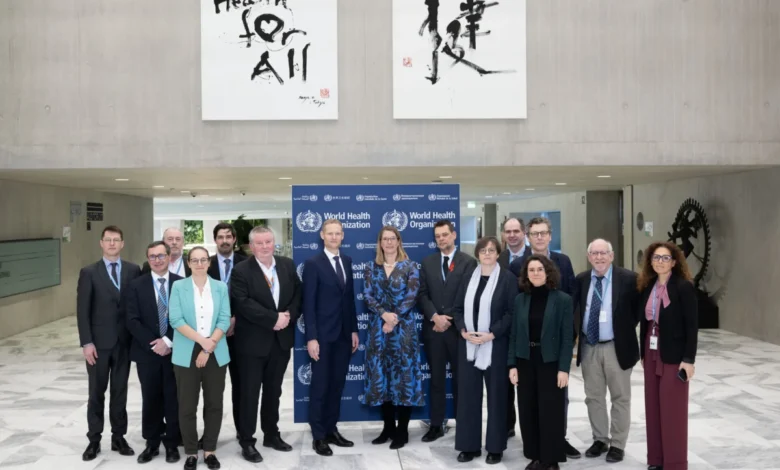
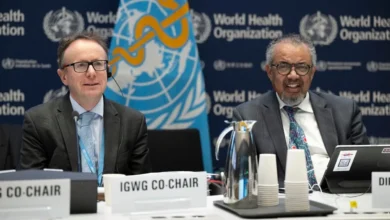
The diplomatic and public health corridors of Geneva recently played host to a pivotal three-day strategic dialogue between the Kingdom of Belgium and the World Health Organization (WHO), culminating in a renewed commitment to tackle some of the world’s most pressing medical and humanitarian challenges. The high-level talks, which brought together senior Belgian officials and WHO leadership from headquarters as well as the African and European regional offices, focused on aligning bilateral development priorities with global health strategies. Against the backdrop of an increasingly complex geopolitical and epidemiological landscape, both delegations underscored the necessity of fortifying multilateral frameworks, bolstering health systems, and ensuring equitable access to life-saving vaccines and medical technologies.
The comprehensive dialogue underscored a shared vision for the future of international public health, emphasizing robust primary healthcare networks, pandemic preparedness, and targeted interventions in vulnerable regions. As the global community continues to grapple with the lingering socioeconomic impacts of past health crises and the emergence of novel biological threats, the enduring partnership between Brussels and the United Nations health agency serves as a vital anchor for sustainable development and health equity.
A Multilevel Delegation and Diplomatic Chronology
The strategic dialogue was characterized by unprecedented inclusivity from the Belgian state, reflecting a coordinated approach across federal and regional governance levels. The Belgian delegation was led by H.E. Christophe Payot, Ambassador and Permanent Representative of Belgium to the United Nations and other international organizations in Geneva. Significantly, the delegation also featured representatives from the Belgian Federal Government alongside delegates from the Flemish and Walloon regional governments, demonstrating a unified national front in multilateral health diplomacy.
The timing of the consultations was deeply strategic. The discussions directly built upon the health priorities championed by Belgium during its presidency of the Council of the European Union in the first half of 2024. Throughout its EU presidency, Belgium placed global health security, equitable access to medical countermeasures, and the strengthening of the European Union’s global health strategy at the forefront of the European political agenda.
The three-day engagement allowed both entities to review the milestones achieved since their previous multi-year cooperation frameworks and chart a definitive roadmap for the future. By bringing together technical experts, regional directors, and policy architects, the dialogue facilitated a granular review of ongoing field operations, financial allocations, and administrative efficiencies. The discussions directly laid the groundwork for a renewed WHO-Belgium Country Cooperation Strategy and aligned future funding mechanisms with the overarching ambitions of the WHO 14th General Programme of Work (GPW14).
Accelerating Equitable Access to Vaccines and Essential Medicines
One of the cornerstone pillars of the Belgium-WHO partnership is the concerted drive toward equitable access to essential medicines, vaccines, and health technologies. During the Geneva talks, both parties scrutinized the current status and measurable outcomes of the Access to Medicines programme, which receives substantial financial backing from the Belgian government.
To ground the high-level policy discussions in operational realities, the WHO presented a detailed case study of country-level implementation in Senegal. The presentation highlighted both the systemic hurdles and the tangible successes encountered on the ground, offering a transparent appraisal of local supply chain dynamics, regulatory bottlenecks, and distribution challenges. WHO technical experts elaborated on institutional policies designed to foster local manufacturing capacities in developing nations, a lesson sharply learned during global supply chain fractures in recent years.
Participants reached a firm consensus regarding the imperative of long-term sustainability for the Access to Medicines initiative. Effective market-shaping strategies were identified as essential instruments to prevent supply shortages, control exorbitant pricing, and guarantee that low- and middle-income countries can procure essential therapeutics without falling into catastrophic out-of-pocket health expenditures. By pairing Belgian financial contributions with WHO technical normative guidance, the initiative aims to transform pharmaceutical landscapes across target partner states in sub-Saharan Africa.
Health Emergencies, Pandemic Preparedness, and Biological Risks
The discourse naturally pivoted toward global health security, health emergency prevention, and pandemic preparedness and response (PPR). In an era defined by compounding crises—ranging from climate-induced weather anomalies to complex humanitarian emergencies—the international architecture for health emergency management faces unprecedented stress tests.
Delegates evaluated WHO’s expanding mandate in strengthening global health emergency architecture, focusing heavily on ongoing international negotiations concerning the global pandemic agreement and the operationalization of the One Health approach. The One Health framework, which recognizes the interconnectedness of human, animal, and environmental health, was deemed critical for preempting zoonotic spillover events and mitigating the acceleration of biological risks.
To underscore the real-world application of these frameworks, WHO officials briefed the Belgian delegation on emergency health operations in active conflict and crisis zones, specifically highlighting ongoing interventions in the Gaza Strip. The harrowing operational realities faced by health workers in conflict settings underscored the indispensable nature of rapid-deployment medical teams, logistical pipelines for trauma care, and the protection of healthcare infrastructure under international humanitarian law. Furthermore, the dialogue addressed emerging threats related to antimicrobial resistance (AMR) and biosafety, reinforcing the need for proactive risk mitigation strategies at regional and national levels.

Advancing Universal Health Coverage and Primary Healthcare
Universal Health Coverage (UHC) remained a central theme throughout the strategic sessions. Reviewing the trajectory of the UHC-Partnership between 2021 and 2024, participants examined the concrete results achieved through Belgian support within shared partner countries.
A prominent case study during this segment focused on the Democratic Republic of Congo (DRC), where WHO and Belgian bilateral cooperation intersect to rebuild fractured health districts, train frontline healthcare workers, and expand community-based health services. The review candidly addressed local challenges, such as infrastructural deficits, funding disbursement delays, and insecurity in operational zones, while outlining pathways for enhanced synergy between WHO country office programmes and Belgium’s bilateral development initiatives.
Mental health integration within primary healthcare systems also received dedicated attention. Acknowledging that mental health remains a historically underfunded and neglected component of global public health, experts reviewed WHO’s normative guidance on embedding psychological support services into routine primary care structures, ensuring a holistic approach to human well-being.
Beyond UHC, the partners evaluated collaborative portfolios in combating Neglected Tropical Diseases (NTDs) and advancing Sexual and Reproductive Health and Rights (SRHR). Both delegations reaffirmed that evidence-based policymaking, programmatic transparency, and community engagement must remain non-negotiable standards across all funded interventions.
Official Statements and Diplomatic Reception
The collaborative spirit of the dialogue elicited strong endorsements from both organizational leadership and state representatives, highlighting a deep mutual respect and shared strategic vision.
Dr. Catharina Boehme, WHO Assistant Director-General for External Relations and Governing Bodies, expressed profound gratitude for Belgium’s steadfast dedication to multilateralism. "We thank you for your support, honesty, and strong engagement for global health," Dr. Boehme remarked. "Your efforts in supporting our work in Mozambique and Senegal are clear examples of the crucial work we accomplish together, proving that predictable and flexible funding directly translates to saved lives on the ground."
The Belgian diplomatic corps echoed these sentiments, emphasizing the value of mutual accountability and transparent dialogue. Mr. Koen Van Acoleyen, Minister Counselor at the Permanent Representation of Belgium to the UN in Geneva, reflected on the institutional insights gained during the meetings: "After listening to the leaders and experts of WHO, we now better understand how they are navigating these challenging times. We are honoured that we can walk this road together."
Adding institutional weight to the assessment, Mr. Dirk Brems, Director of Thematic and Multilateral Cooperation within the Directorate-General Development Cooperation and Humanitarian Aid, emphasized the reassuring impact of the partnership audits. "We recognize WHO as a trustworthy partner in global health. We felt proud hearing how crucial our support is to the Organization and how it is having a positive impact at country, regional, and global levels," Mr. Brems stated. He concluded with a forward-looking mandate: "It’s important we continue these discussions as we tread uncharted territories, and we look forward to working together for strong and sustained multilateralism."
Broader Impact, Policy Implications, and Future Outlook
The successful conclusion of the strategic dialogue signals a robust alignment of purpose as both entities look toward the implementation phase of the WHO 14th General Programme of Work (GPW14). By placing Universal Health Coverage and health systems strengthening at the very heart of the GPW14 framework, the WHO and Belgium are signaling a decisive shift away from vertical, disease-specific silos toward comprehensive, resilient health infrastructure capable of absorbing future shocks.
From a policy perspective, the deepening of the Belgium-WHO alliance serves as an instructive model for bilateral-multilateral cooperation in contemporary international development. At a time when traditional multilateral institutions face financial constraints, shifting political donor priorities, and complex geopolitical fragmentation, Belgium’s consistent, multi-tiered support underscores the enduring relevance of cooperative internationalism.
As both parties finalize their upcoming multi-year framework and refine the WHO-Belgium Country Cooperation Strategy, the emphasis will pivot strictly toward execution, measurement, and local capacity transfer. By bridging high-level diplomatic consensus with grassroots execution in nations like Senegal, Mozambique, and the Democratic Republic of Congo, Belgium and the World Health Organization continue to demonstrate that strategic solidarity remains the most formidable defense against global health vulnerabilities.