Navigating the 2026 Midterm Elections: Essential Deadlines, Voting Rules, and Security Protocols

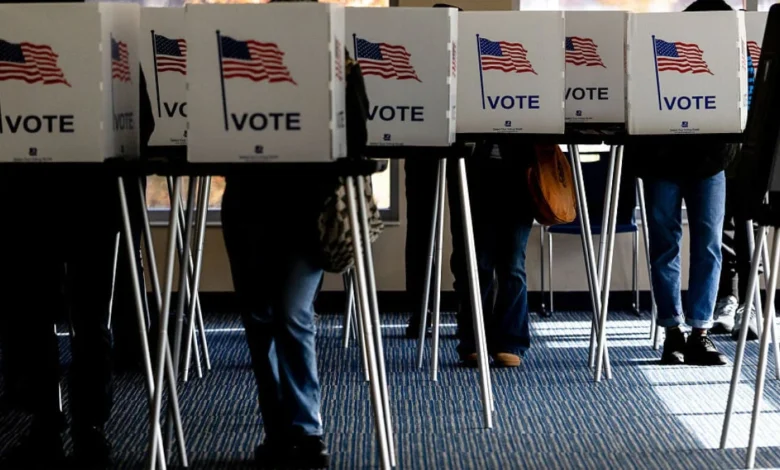
The November 3 midterm elections are rapidly approaching, setting the stage for a critical political showdown that will determine the balance of power in Congress and significantly shape the trajectory of President Donald Trump’s remaining years in office. With control of both the House of Representatives and the Senate hanging in the balance, voters across the country face a compressed timeline to cast their ballots. Over 51 million Americans have already participated through early voting and mail-in ballots, reflecting a decade-long shift in how the electorate engages with federal elections. For those who have yet to vote, understanding deadlines, polling locations, and identification requirements is vital. Comprehensive voter resources, including registration status checkers and state-by-state guides, remain accessible through nonpartisan platforms such as Vote.org and USA.gov.
The Evolution of Mail-In and Absentee Voting
The landscape of American voting has evolved dramatically over the past decade, accelerated by legislative changes and shifting public preferences following the expansion of mail-in voting during the 2020 election cycle. Currently, eight states conduct all-mail elections or offer universal mail-in voting, ensuring that every registered voter automatically receives a ballot by mail. In other jurisdictions, absentee and mail-in voting have become increasingly mainstream options for millions of citizens seeking flexibility.
State regulations dictate strict timelines for mail-in participation. Most states require mail-in ballots to be requested well in advance, and completed ballots must typically be postmarked by Election Day—November 3—to be legally counted. Ballots arriving with late postmarks risk being voided, making timely submission essential. Voters who experience delays or fail to receive their requested mail-in ballots are advised to contact their local county election office immediately to explore alternative voting methods, such as casting an in-person ballot.
To accommodate mail-in voters, approximately 15 states mandate the use of secure drop boxes, often located in accessible public spaces like libraries and municipal parks, allowing citizens to bypass postal delays. Conversely, roughly 11 states prohibit drop boxes entirely, requiring voters in those jurisdictions to rely strictly on the postal service or deliver ballots directly to designated local election offices. Voters can verify their specific county requirements by consulting state election databases or tracking tools provided by organizations like the National Association of Secretaries of State.
In-Person Voting Protocols and Polling Place Logistics
Despite the steady growth of mail-in and early voting, a substantial portion of the electorate continues to cast ballots in person on Election Day. In-person voters are assigned specific polling locations determined by their residential registration addresses. Depending on state law, early in-person voting windows can open up to a month before Election Day, offering flexibility to those with scheduling conflicts.
Voters planning to cast their ballots in person are encouraged to prepare ahead by reviewing sample ballots and verifying their polling locations. Federal guidelines permit individuals to bring personal notes, voter guides, and official sample ballots into voting booths to assist with decision-making. Furthermore, polling places are legally required to provide accessible equipment and accommodations for voters with disabilities, though specific accommodations may sometimes require visiting designated specialized precincts.
Locating a nearby polling place is streamlined through online portals provided by Vote.org and the National Association of Secretaries of State, as well as local county registrar websites. Election officials urge voters to verify their polling places prior to November 3, as venue changes occasionally occur due to administrative or logistical adjustments.
Comprehensive Voting FAQ: Addressing Key Concerns
As election day approaches, questions regarding voter identification, ballot security, and executive authority frequently arise among the electorate.
Do I need an ID to vote?
Voter identification requirements vary significantly by state. While some states mandate government-issued photo identification, others accept non-photo documents or permit voters without standard identification to sign identity verification affidavits. Citizens should consult state-specific election guidelines to ensure compliance with local laws.
Can I track my mail-in ballot?
Yes. The vast majority of states offer online ballot-tracking tools that allow voters to monitor the status of their mail-in or absentee ballots from the moment they are mailed to when they are officially received and processed by election officials. Voters can access these tools through their state registrar’s website or by contacting the Election Protection hotline at 866-OUR-VOTE.
Can ballots be challenged?
Under the National Voter Registration Act, individual ballots cannot be challenged without a legitimate legal basis. Furthermore, federal law prohibits systematic voter purges within 90 days of a federal election, ensuring that voters registered by August who complete their ballots accurately and on time have their votes counted. While political organizations may legally challenge certain voting procedures, federal law enforcement agencies have no authority to seize voting machines, nullify lawful ballots, or halt the counting process. If a voter’s registration is contested at the polls, they maintain the right to cast a provisional ballot while their eligibility is verified.
Are electronic voting machines secure?
Electronic voting systems are subject to rigorous federal oversight by the U.S. Election Assistance Commission (EAC) alongside thousands of local election officials. Although security researchers periodically identify technical vulnerabilities, cybersecurity experts emphasize that these flaws have not been exploited to alter election outcomes. Election security specialists widely agree that the most pressing threat to democratic integrity is not machine tampering, but rather the proliferation of foreign and domestic disinformation campaigns, increasingly amplified by advanced artificial intelligence tools.
Can the president intervene in the election?
The administration has frequently questioned the legitimacy of the midterm results, raising unfounded claims regarding widespread noncitizen voting. Comprehensive Justice Department data indicates that the vast majority of noncitizens charged with voting-related offenses were actually lawful permanent residents. Despite rhetorical pressure and repeated threats from the executive branch, constitutional scholars and legal watchdogs confirm that the president possesses no legal authority to issue executive orders or invoke emergency powers to nationalize or commandeer the election process. Previous administrative attempts to unilaterally alter federal electoral procedures have been repeatedly blocked or struck down by federal courts, safeguarding the decentralized framework of American elections.