Can You Put Baby Bottles in the Dishwasher? A Comprehensive Guide to Infant Feeding Hygiene and Modern Kitchen Efficiency

The daily routine of feeding an infant brings with it a mountain of specialized dishware, ranging from glass bottle bodies and silicone nipples to intricate breast pump valves and anti-colic vents. For exhausted parents striving to balance household chores with childcare, the kitchen sink can quickly become an overwhelming obstacle course of soapy water and single-use scrubbers. This has made a fundamental question ubiquitous in parenting forums and pediatric consultations alike: can you put baby bottles in the dishwasher?
The short answer is yes, provided the items are explicitly rated as dishwasher-safe by their manufacturers and are loaded correctly. However, navigating this convenience requires a nuanced understanding of appliance mechanics, water temperatures, material science, and the critical difference between routine cleaning and true sanitization. As families increasingly weigh water conservation, time management, and infant health, establishing a reliable sterilization and washing protocol has never been more vital.
Material Science and the Limits of Dishwasher-Safe Labels
To understand whether a baby bottle can withstand a machine wash, one must first examine the manufacturing specifications of modern infant feeding gear. "Dishwasher-safe" is a standardized term used by manufacturers to indicate that a specific polymer, glass, or silicone component can endure repeated exposure to high-heat washing cycles, pressurized water jets, and alkaline detergents without experiencing structural failure, warping, or toxic leaching.
However, this designation comes with strict caveats. While borosilicate glass bottles, heavy-duty polypropylene bodies, and select stainless-steel components generally tolerate the rigorous environment of a top-rack dishwasher cycle, smaller and more delicate components often require specialized handling. Silicone nipples, soft rubber valves, and thin anti-colic vent tubes are particularly susceptible to degradation over time when subjected to the intense thermal drying phases found in standard dishwashers. When subjected to excessive heat, these delicate components can develop micro-tears, become cloudy, or warp, which can compromise the structural integrity of the seal and ultimately alter the flow rate of milk during feeding.
Furthermore, mixing baby bottles with heavily soiled adult dishware introduces cross-contamination risks and chemical residue redeposition. Grease, food oils, and highly pigmented food particles from dinner pots can easily adhere to porous silicone surfaces during a mixed-load cycle, leaving a filmy residue that is difficult to remove. Consequently, many pediatric and home-economics experts recommend running a dedicated "baby-only" dishwasher load to preserve the cleanliness and longevity of infant feeding equipment.
Dissecting the Myth of Automatic Appliance Sanitization
One of the most persistent misconceptions among new parents is that running a standard dishwasher cycle automatically sanitizes baby bottles. According to public health guidelines, cleaning removes visible food residue and organic matter, whereas sanitizing reduces the remaining bacterial and viral load on a pre-cleaned surface to levels considered safe by public health standards.
Standard dishwasher cycles primarily focus on soil removal through mechanical action, chemical detergents, and thermal energy. While many modern dishwashers feature a "sanitize" setting or a high-temperature final rinse that elevates water temperatures to approximately 150°F to 165°F (65°C to 74°C) for a sustained period, not all residential appliances achieve the thermal thresholds required to eliminate hardy pathogens such as Cronobacter sakazakii—a bacterium linked to severe infections in infants.
For newborns, premature infants, or immunocompromised babies, pediatricians frequently advise an additional sterilization step—such as boiling, microwave steam bags, or dedicated electric steam sterilizers—regardless of whether the bottles were washed in a sink or a dishwasher. Understanding the operational parameters of one’s specific kitchen appliance is therefore crucial; failing to verify whether a dishwasher possesses a certified sanitization cycle can leave vulnerable infants exposed to microbial contaminants.
Evolution of Kitchen Technology: The Rise of Dedicated Appliances
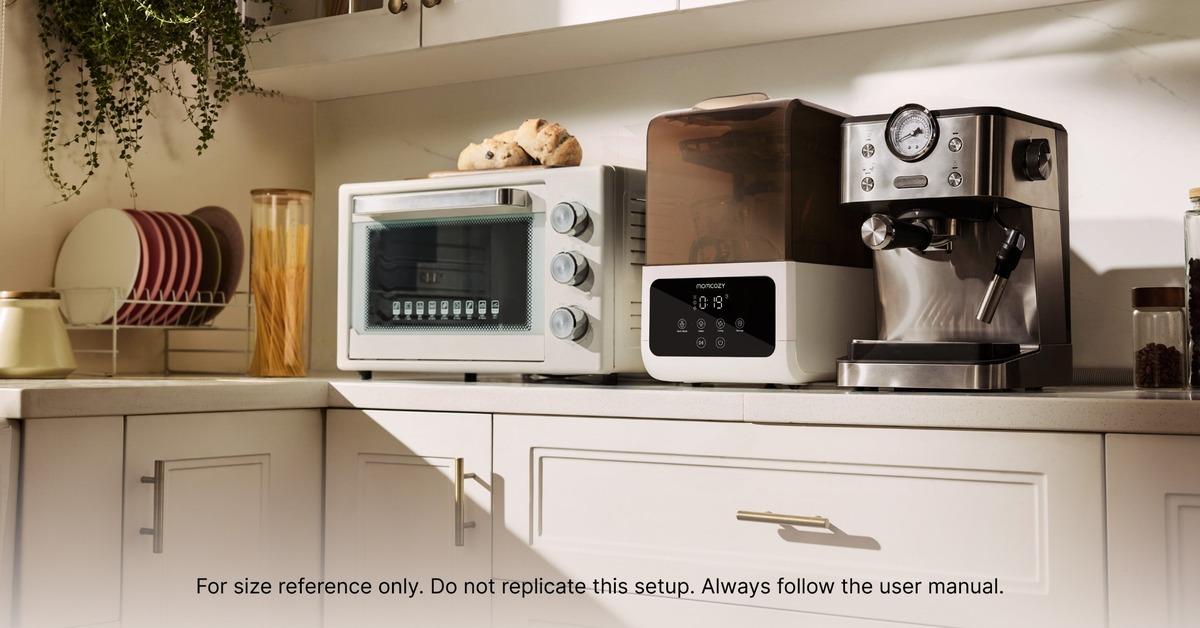
As dual-income households and modern parents seek streamlined solutions that bridge the gap between time-consuming manual hand-washing and the complexities of mixed-load dishwashers, the market for specialized infant care appliances has expanded rapidly. Countertop baby bottle washers and all-in-one washer-sterilizer-dryer units have emerged as popular alternatives in contemporary kitchens.
These dedicated countertop devices are engineered exclusively for infant feeding equipment, bypassing the need to cycle delicate nipples and pump parts alongside dinner plates and silverware. By utilizing targeted high-pressure water jets, precise steam sanitization cycles, and forced-air drying mechanisms, these appliances provide an enclosed, controlled environment that mitigates the risk of residual food oils or detergent film. While these units represent an additional financial investment for families, proponents argue that they significantly reduce daily labor, conserve water compared to continuous hand-washing under a running tap, and minimize the premature disposal of warped or damaged plastic components.
Comparative Hygiene Protocol: Dishwasher vs. Hand Washing
Choosing between machine washing and manual hand washing depends heavily on household logistics, bottle materials, and daily feeding volume. A comparative analysis of both methods highlights distinct operational advantages and trade-offs:
-
Dishwasher Washing:
- Advantages: High thermal consistency, reduced manual labor, efficient water usage when running a fully loaded machine, and hands-off sanitization options.
- Disadvantages: Risk of component warping, potential exposure to redeposited food residues from mixed loads, and energy consumption associated with running large appliances for smaller batches of bottles.
-
Manual Hand Washing:
- Advantages: Complete tactile control over individual components, immediate inspection of valves and nipples for tears, ideal for delicate items or brand-new pump parts, and suitable for low-volume or emergency cleaning.
- Disadvantages: High water consumption if the tap is left running, reliance on physical scrubbing which can introduce micro-abrasions into plastic surfaces, and potential exposure to cross-contamination if sponges and cleaning brushes are not properly sanitized and replaced frequently.
Public health agencies emphasize that regardless of the washing method chosen, proper pre-treatment hygiene remains non-negotiable. Bottles and pump parts must be fully disassembled immediately after use, washed with hot water and fragrance-free dish soap using a dedicated brush reserved solely for infant items, rinsed thoroughly to eliminate soap films, and allowed to air-dry completely on a clean rack or mat. Storing damp bottles in closed containers can inadvertently foster bacterial growth, negating the entire cleaning process.
Broader Implications for Family Health and Environmental Sustainability
The management of infant feeding equipment intersects significantly with broader conversations surrounding environmental sustainability and consumer safety. The market for baby bottles and breast pump accessories generates millions of plastic units annually. When improper washing techniques cause materials to degrade prematurely—such as clouding, odor retention, or structural warping—parents are forced to replace components more frequently, driving up household expenditures and contributing to plastic waste streams.
Furthermore, the choice of cleaning agents and energy consumption patterns reflects a growing consumer awareness of home sustainability. Eco-conscious parents frequently seek out fragrance-free, biodegradable dish soaps and energy-efficient appliance settings to minimize their household carbon footprint without compromising infant safety. Balancing rigorous hygiene standards with ecological responsibility requires a deliberate, methodical approach to kitchen management—one where routines are tailored to the specific developmental stage of the child and the technical capabilities of the home’s appliances.
Ultimately, the question of whether baby bottles belong in the dishwasher cannot be answered with a blanket rule. It demands an individualized assessment of manufacturer guidelines, appliance specifications, and family lifestyle needs. By establishing a repeatable, reliable cleaning routine that prioritizes thorough sanitization during the vulnerable early months of life, parents can successfully navigate the daily demands of infant care while maintaining a safe, efficient, and sustainable modern kitchen.