As the global community prepares to convene in Antalya, Turkey, for the COP31 climate summit, one of the most significant items on the diplomatic agenda is the operationalization of the Belém-Antalya Mechanism (BAM). Born out of the urgent need to bridge the gap between climate ambition and social equity, this mechanism represents a pivotal attempt to institutionalize the "just transition"—the concept that the global shift away from fossil fuels must not come at the expense of workers, marginalized communities, or developing economies. While the agreement to establish the BAM at last year’s COP30 in Belém was hailed as a landmark victory by labor unions, civil society, and climate justice advocates, the path to making it a functional reality remains fraught with geopolitical tension and unresolved questions regarding funding and governance.
The Evolution of the Just Transition Concept
The concept of a "just transition" emerged in the 1980s as a strategic alliance between North American labor unions and environmental activists, aimed at protecting workers displaced by changing industrial regulations. Over the past four decades, it has evolved into a cornerstone of international climate policy. The 2015 Paris Agreement cemented this shift, with its preamble explicitly recognizing "the imperatives of a just transition of the workforce and the creation of decent work and quality jobs."
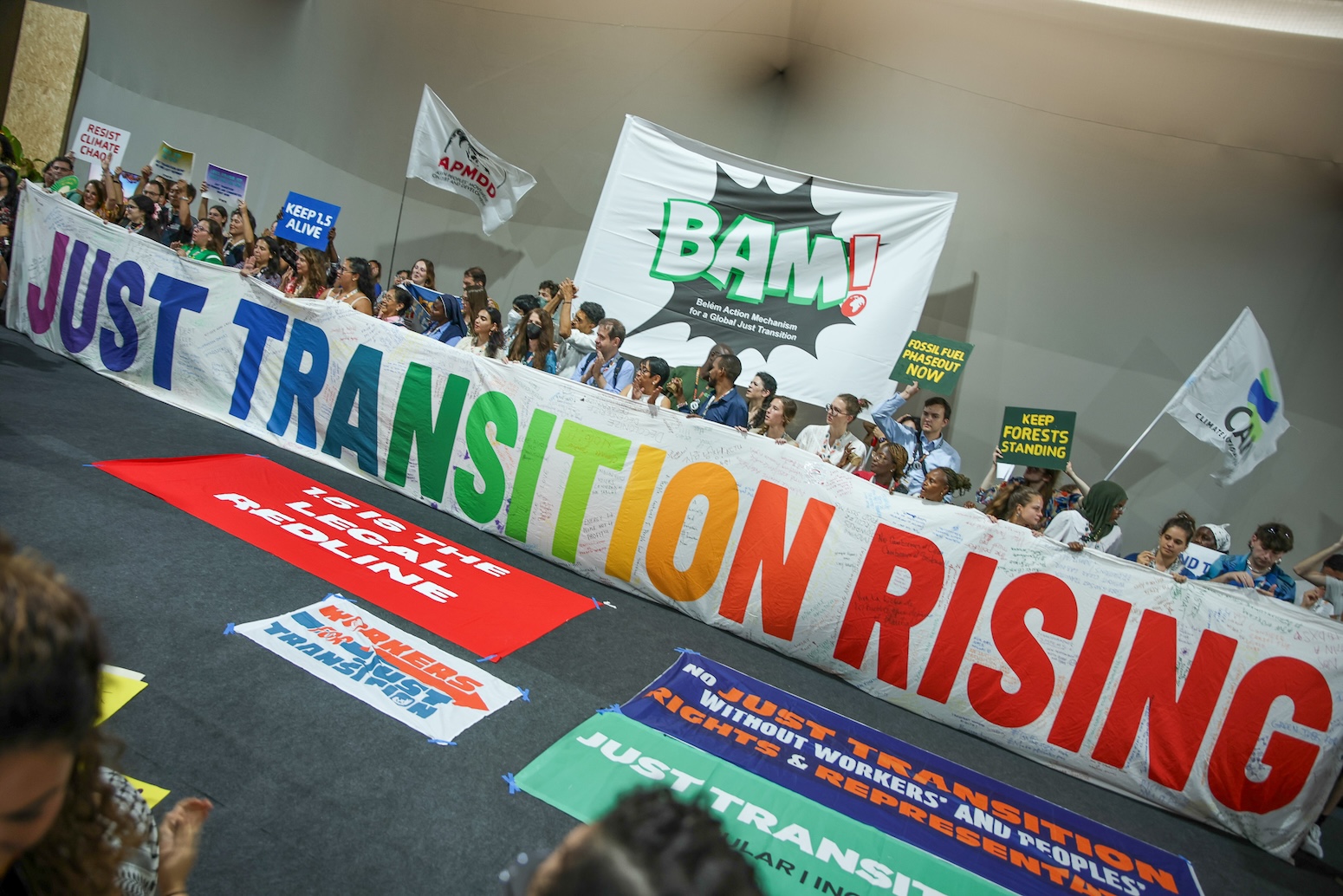
However, translating this principle into policy has proven difficult. The 2018 Silesia Declaration, signed at COP24 in Poland, was a milestone that drew attention to the coal-mining workforce, yet it lacked the binding mechanisms necessary for systemic change. It was not until COP27 in Egypt that the Just Transition Work Programme (JTWP) was officially launched. Despite this progress, the JTWP functioned largely as a forum for dialogue rather than an engine for implementation. By the time the world met in Brazil for COP30, pressure had mounted to move beyond rhetoric. The resulting decision to create the BAM was designed specifically to address this "implementation deficit," transforming high-level discussions into tangible support for nations attempting to restructure their economies.
Chronology of the Mechanism’s Development
The journey toward the BAM has been marked by persistent, often contentious, negotiations:
- 1980s–2015: The foundational period, characterized by labor-environmentalist alliances and the eventual recognition of "decent work" in the Paris Agreement.
- December 2018 (COP24): Adoption of the Silesia Declaration, focusing on the workforce transition in coal-reliant regions.
- November 2022 (COP27): Formal establishment of the Just Transition Work Programme (JTWP) to facilitate annual dialogues.
- November 2024 (COP29): A period of diplomatic frustration as the JTWP failed to reach a consensus on institutional arrangements, leading to criticism from civil society.
- November 2025 (COP30): The breakthrough agreement in Belém to establish the "Belém-Antalya Mechanism" (BAM), intended to serve as a central hub for just transition strategies.
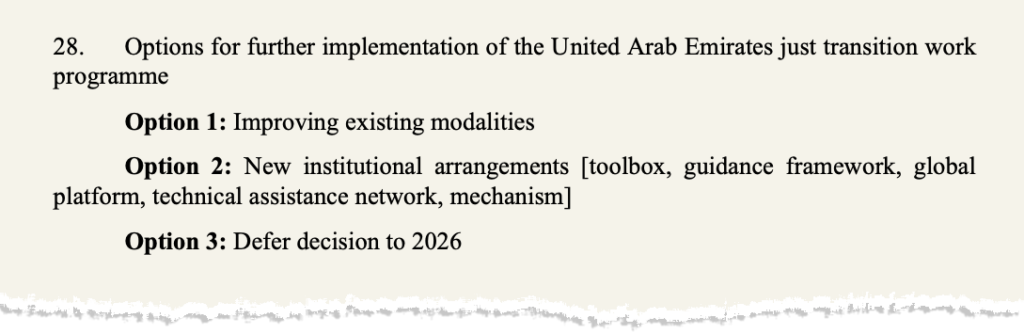
- June 2026 (Bonn Climate Talks): Negotiations revealed deep divisions between developed and developing nations regarding the structural design and financial oversight of the mechanism.
- November 2026 (COP31): The target date for finalizing the operational framework of the BAM.
Structural Proposals and the Role of the BAM
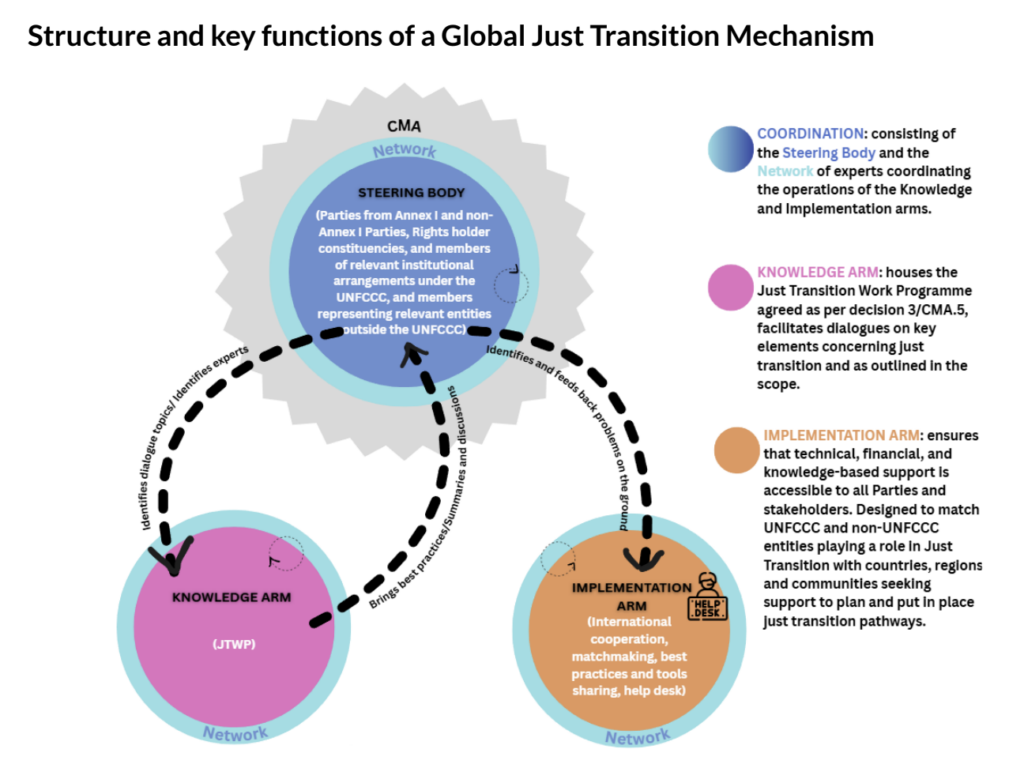
The core challenge facing negotiators in Antalya is the ambiguity surrounding the mechanism’s function. Civil society organizations, including the Climate Action Network (CAN) and the International Trade Union Confederation (ITUC), have proposed a tripartite structure to ensure the BAM is more than just a consultative body. Their vision consists of a steering committee, a knowledge-sharing arm, and an implementation hub.
The steering committee would serve as the central governance unit, tasked with identifying "just transition" gaps in national climate policies and recommending political interventions. The knowledge arm would focus on technical capacity-building, while the implementation arm would function as a "matchmaking platform," connecting countries in need of technical or financial support with international partners, multilateral development banks, and private sector initiatives.
Proponents argue that this structure is essential to prevent the BAM from becoming an echo chamber. By moving "beyond dialogue," the mechanism could help standardize metrics for measuring the success of a just transition, such as the creation of green jobs, the security of energy access for vulnerable populations, and the mitigation of economic shocks in regions historically dependent on high-carbon exports.
The Financial Impasse
The most significant barrier to the BAM is, as with many UN-led initiatives, the question of finance. The current climate finance landscape is increasingly strained. The withdrawal of the United States from the UNFCCC has left a substantial funding gap, forcing the organization to reduce its operational capacity and stall several secondary initiatives.
Developed nations, wary of further financial commitments, have expressed hesitation toward the BAM, often questioning whether it would duplicate the functions of existing financial institutions or regional development funds. Some EU delegations have suggested that an "action plan" might be a more fiscally responsible alternative to a formal, standing mechanism.
Conversely, the G77 and China coalition have argued that the mechanism is meaningless without dedicated funding or, at minimum, a clear mandate to "just-transition-proof" all existing climate finance. They contend that the cost of running a secretariat for the BAM—estimated by some analysts to be under $10 million annually—is negligible compared to the social and economic costs of a disorderly, unjust transition. Proponents frequently cite the Climate Technology Centre and Network (CTCN) as a successful, low-cost model that the BAM could emulate.
Implications for Global Climate Action
The stakes for COP31 extend far beyond the technicalities of the BAM. If the summit concludes with a robust, well-funded, and operational mechanism, it could signal a new phase in climate diplomacy—one that finally prioritizes the "people" component of the energy transition. This would be a significant morale boost for developing nations that fear their industrial development will be unfairly stifled by global decarbonization requirements.

However, if the Antalya talks end in gridlock or a watered-down, toothless version of the BAM, the impact could be damaging to the legitimacy of the entire UNFCCC process. A failure to deliver would likely deepen the divide between the Global North and South, fueling skepticism among labor movements and grassroots organizations that the current international climate architecture is fundamentally unresponsive to the needs of the working class.
Bert De Wel, a prominent voice from the ITUC, has emphasized that "we cannot lose any time." The transition to a low-carbon economy is already underway, and without a coordinated, global framework to manage this shift, the risk of social unrest and economic instability increases. The BAM is intended to be the prophylactic against such outcomes, providing a forum where policy, labor, and finance can converge.
Looking Toward Antalya: The Path Forward
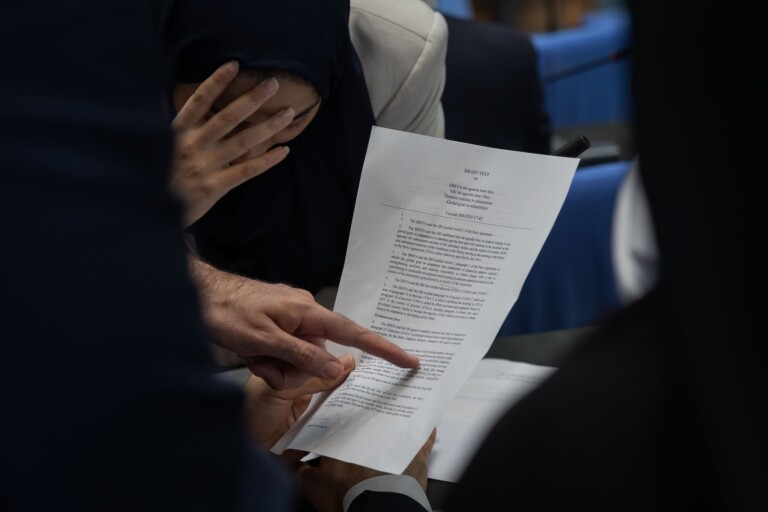
As delegations arrive in Antalya, the primary goal will be to resolve the "skeleton" draft text developed in Bonn. The success of the summit will be measured by the ability of parties to move from abstract discussions of "capacity-building" to concrete commitments on resource allocation and institutional design.
Key areas to watch include:
- The Mandate of the Steering Body: Whether it will have the power to influence national policy or remain strictly advisory.
- Financial Integration: Whether the BAM will be empowered to guide the flow of existing climate funds toward projects that explicitly prioritize workers and community resilience.
- Inclusivity: The extent to which the mechanism will formally integrate input from Indigenous peoples, youth groups, and gender-equality organizations, as demanded by civil society coalitions.
The Belém-Antalya Mechanism is more than a bureaucratic hurdle; it is a test of whether the global community can align its environmental objectives with its social responsibilities. As the climate crisis accelerates, the demand for a fair, inclusive, and equitable transition is no longer a peripheral concern—it is a central requirement for the survival of the international consensus on climate action. COP31 will determine whether the world is ready to turn that requirement into a reality.