The shadow cast by Ayrton Senna over Brazilian motorsport remains one of the most enduring narratives in the history of Formula 1. Even decades after his tragic passing at Imola in 1994, Senna stands as the final Brazilian driver to capture a world championship title. As a new, promising generation of South American talent begins to filter through the ranks of the junior categories, the spotlight has unexpectedly shifted away from the local prospects and toward an Italian prodigy: Andrea Kimi Antonelli. His meteoric rise through the racing tiers has prompted a level of scrutiny and expectation rarely seen for a driver of his age, leading to inevitable, if uncomfortable, comparisons to the three-time world champion.
A Historic Run of Form
Antonelli’s 2024 campaign has been nothing short of extraordinary. His dominance in the junior series, highlighted by a staggering five-race winning streak, has placed him in an elite statistical category. Winning five consecutive Grands Prix is a milestone achieved by only nine drivers in the history of the sport. Curiously, Senna himself never reached this specific streak during his tenure in the top flight, a fact that has only fueled the fervor surrounding the teenager.
The pinnacle of this run was a commanding "Grand Chelem"—securing pole position, leading every lap, and setting the fastest lap—at the Monaco Grand Prix. Monaco, a circuit synonymous with Senna’s technical brilliance and his record-breaking six victories, served as the backdrop for Antonelli’s most emphatic statement of intent. The imagery of a young, curly-haired driver dominating the tight, unforgiving streets of the Principality was enough to draw immediate, albeit superficial, parallels to the Brazilian legend.
The Mercedes Philosophy and the Shield of Silence
The internal reaction from the Mercedes-AMG Petronas F1 Team has been one of protective caution. Team Principal Toto Wolff has been vocal about his desire to insulate his young charge from the crushing weight of historical comparison. Speaking during the Spanish Grand Prix weekend, Wolff addressed the media’s enthusiasm with a pragmatic tone.
"We are trying to shield Kimi from media and marketing activities in the way that they protect him and to the best of our ability," Wolff stated. He emphasized that while the Italian press, specifically outlets like Gazzetta dello Sport, have labeled the young driver "Il Fenomeno," such accolades are premature. "We keep emphasizing to our friends from the Italian press also, please don’t draw any comparison with Ayrton Senna. I think it’s unbelievable for a young man to win five races in a row, but we haven’t won a championship, and he’s 19."
Wolff’s stance is rooted in the preservation of the driver’s mental development. By curbing the hype, Mercedes hopes to allow Antonelli to find his own identity, rather than forcing him to inhabit the ghost of a racing icon before he has even completed a full season at the pinnacle of the sport.
Chronology of a Rising Star
The trajectory of Antonelli’s career over the past twelve months has been a study in rapid acceleration. Following his dominant display in the spring, he maintained his focus, ultimately clinching the world title at the Mexican Grand Prix. This victory effectively silenced any remaining doubters regarding his consistency under pressure.
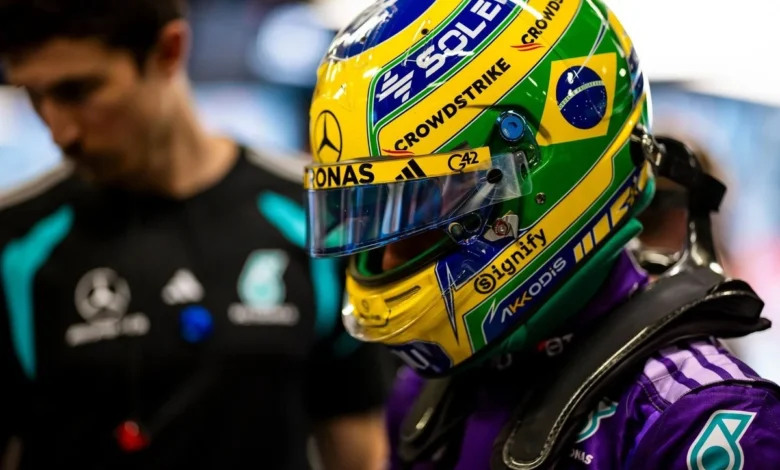
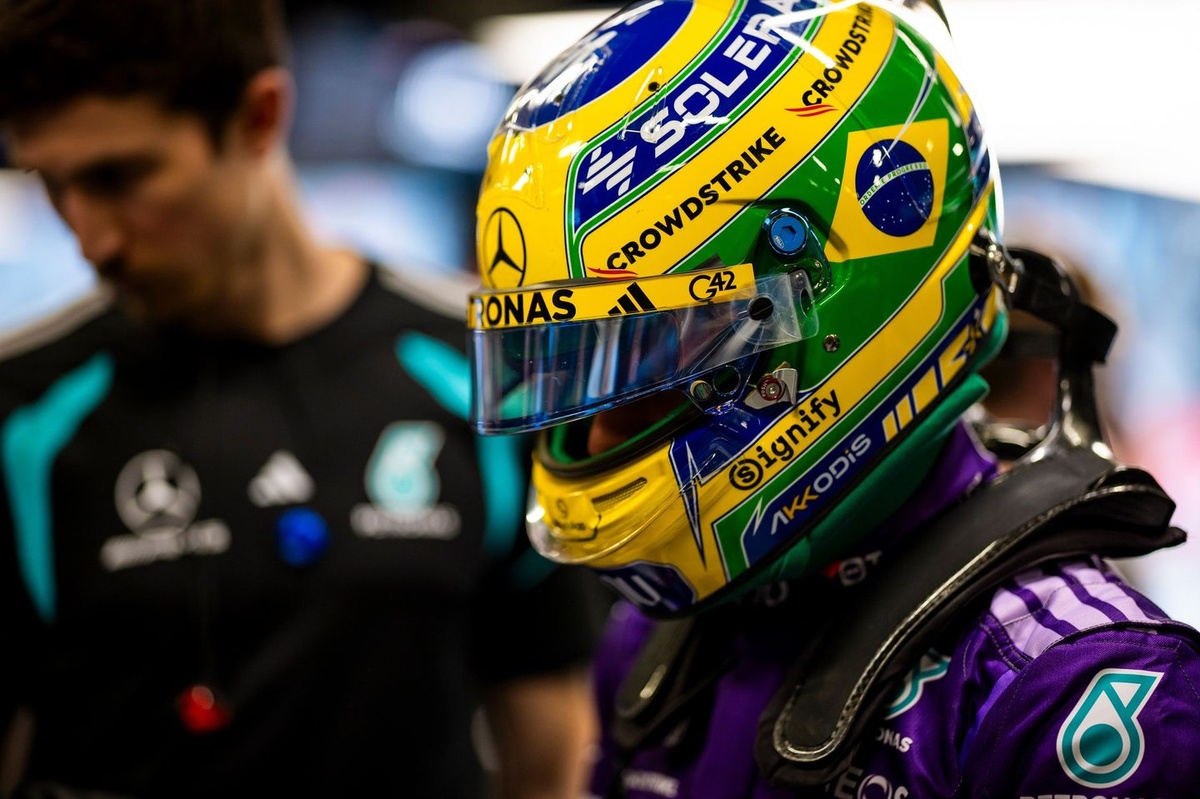
Following his title-clinching performance, Antonelli traveled to Brazil ahead of the Sao Paulo round. It was there that the narrative took a poignant turn. The young driver met with the Senna family, an encounter that provided a bridge between the past and the future. Racing at the iconic Interlagos circuit, Antonelli sported a yellow helmet—a direct homage to the colors that became synonymous with Senna’s career. The gesture was seen as a mark of respect rather than an attempt at emulation.
The "Senninha" Perspective
The most significant validation came from an unexpected source: the Senna family themselves. During the Brazilian Grand Prix weekend, Wolff reflected on the interaction between the teenager and the family of the late legend.
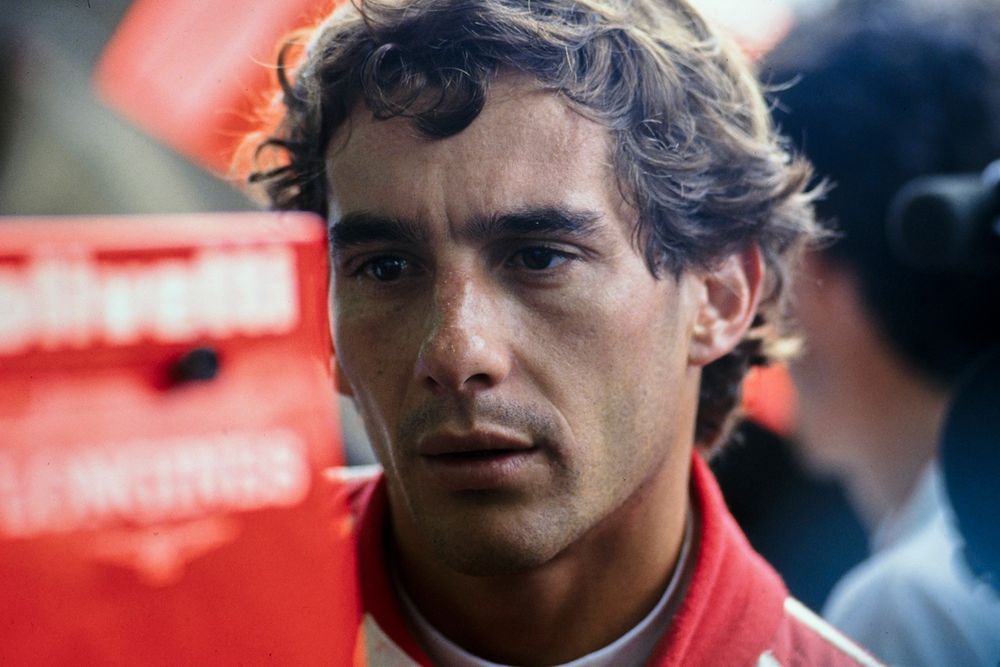
"I feel that setting these standards for a 20-year-old driver is a lot of pressure, and that’s why I want to not compare him at that stage," Wolff reiterated. "He’s Kimi, Senna was Senna. But it’s sweet to see how the Senna family embraces him. They say that it’s the first time that it looks like there is a second ‘Senninha’ [little Senna]. That is the first time that you can say, ‘OK, he’s a little bit like him.’ But maybe at that stage he’s a Senninha and not a Senna yet. So let the Senninha develop, let him become a Senna."
This distinction is crucial. By framing him as a "Senninha," the stakeholders are acknowledging a stylistic and temperamental resemblance without imposing the full burden of Senna’s monumental legacy. It allows for a developmental arc that does not require the young driver to be a finished product immediately.
Organizational Context: Giants of the Sport
The discussion surrounding Antonelli also highlights the pressure under which Mercedes operates. Wolff’s reference to legendary team principals Frank Williams and Ron Dennis was not merely anecdotal. With Mercedes securing its ninth constructors’ championship, Wolff has officially reached the tally of Frank Williams. When combined with drivers’ titles, the Austrian has now accumulated 17 championship crowns, matching the legendary Ron Dennis of McLaren, while the Williams team sits at 16.
Wolff remains humble when measured against these titans. "When I think about it, these two are giants of the sport," he remarked. "I’m not even operating in the same galaxy as Frank, who, after his accident, has been able to achieve great things. And in the same way, Ron is a person that always looks up to who has been the benchmark in the sport, who has set new standards, probably a little bit also the attention-to-detail syndrome, to always spot what’s bad. So I will never see myself in that league."
Future Implications
The arrival of a talent like Antonelli, coupled with the organizational weight of the Mercedes-AMG machine, signals a potential shift in the competitive landscape of Formula 1. However, the transition from a junior success story to a Grand Prix winner is notoriously treacherous.
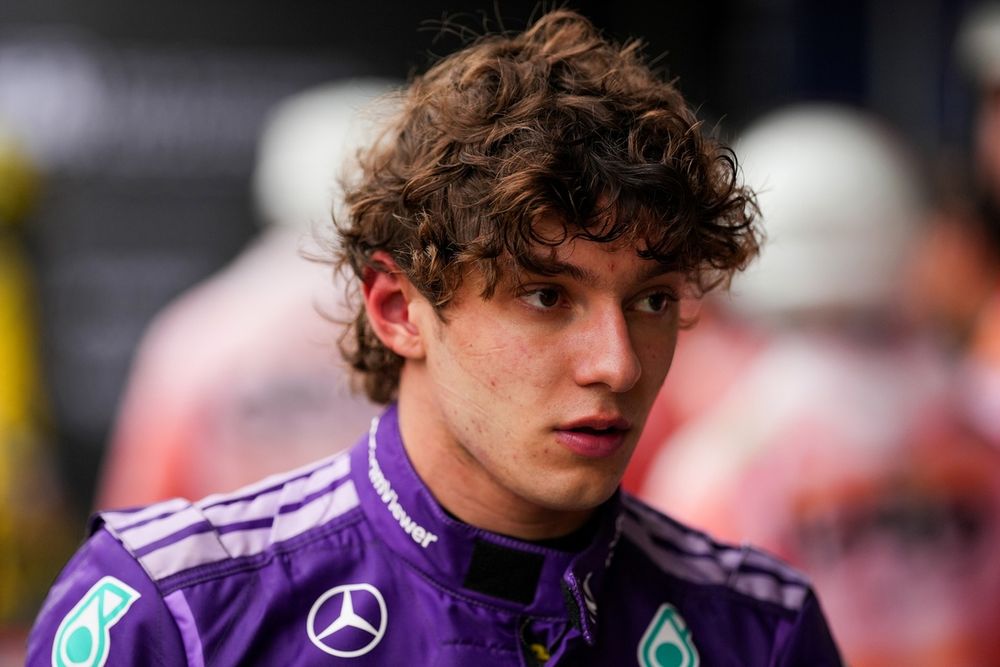
The analytical consensus suggests that while Antonelli possesses the raw speed and the technical acumen to succeed, the "Senna" label is a double-edged sword. If he meets the expectations, he is merely fulfilling a pre-ordained prophecy; if he falters, he is judged against the greatest to ever sit in a cockpit. The next two seasons will be defining for the teenager. He must navigate the complexities of the modern F1 paddock, the evolving technical regulations, and the psychological demands of being a factory Mercedes driver.
Ultimately, the sport is in a cycle of constant renewal. While the legend of Ayrton Senna provides the romantic framework for the next generation of racers, the reality for Kimi Antonelli will be determined on the track, in the data, and in the quiet moments between the race weekends where the "Senninha" must grow into a champion of his own making. The comparison may serve as a tribute to the past, but the future of Formula 1 requires a driver who is defined not by the helmet he wears or the legends he resembles, but by the results he achieves in a new and highly competitive era.