Samsung Galaxy S27 Camera Leaks Hint at Minor Upgrades for Base Models and Bigger Changes for Pro and Ultra Variants

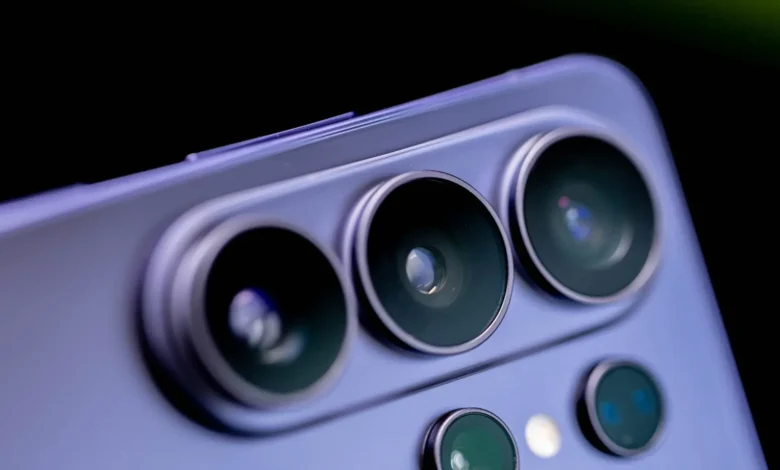
If you were planning to hold off on your next smartphone purchase until the debut of Samsung’s upcoming Galaxy S27 lineup, recent reports suggest you might want to adjust your expectations—particularly if your primary focus is mobile photography. While consumer anticipation is already building for the next generation of flagship devices, early
supply chain and industry leaks indicate that Samsung is taking a bifurcated approach to hardware development. Rather than rolling out sweeping camera improvements across the entire board, the technology giant appears poised to keep specifications largely stagnant on entry-level iterations while reserving more substantial, albeit incremental, revisions for its higher-end Pro and Ultra tiers.
According to a comprehensive leak published by the dedicated Samsung news outlet SammyGuru, prospective buyers looking at the standard Galaxy S27 and the Galaxy S27 Plus will find very little incentive to upgrade from the previous generation. Industry analysts tracking the development cycle note that this strategy aligns with broader trends in the consumer electronics market, where manufacturers increasingly rely on software optimization and artificial intelligence processing rather than heavy hardware overhauls to drive annual sales. However, for consumers who evaluate upgrades strictly through the lens of physical camera sensors, the news introduces a notable pause for thought.
Decoding the Leak: What Stays the Same for Base Models
For owners of the current Samsung Galaxy S26 series, the prospect of transitioning to the Galaxy S27 or Galaxy S27 Plus presents a surprising lack of physical evolution. Based on the leaked specifications from SammyGuru, both of the baseline S27 devices will reportedly feature the exact same camera hardware layout found on their predecessors.
At the center of the imaging array for the base and Plus models will remain a 50-megapixel main camera sensor. Depending on regional distribution and manufacturing batches, this sensor is expected to be either the Sony IMX955 or the Samsung S5KGNG, neither of which represents a generational leap forward from the hardware deployed in the S26 lineup. Accompanying the primary shooter is a familiar 12-megapixel ultrawide lens utilizing the Sony IMX564 sensor. Furthermore, the optical zoom capabilities will remain anchored to a 10-megapixel telephoto lens offering 3x magnification, while selfie duties will continue to be handled by a 12-megapixel front-facing camera.
This hardware stasis suggests that Samsung is comfortable maintaining the status quo for its highest-volume devices. Industry observers point out that component cost management and supply chain stability heavily influence these decisions. By retaining proven sensors for the S27 and S27 Plus, Samsung can likely preserve profit margins and focus its research and development expenditures elsewhere, such as display technology, battery efficiency, and processing architecture.
Premium Tiers Offer Glimmers of Hardware Progress
Fortunately for photography enthusiasts targeting the upper echelon of Samsung’s ecosystem, the narrative shifts when examining the Galaxy S27 Pro and the top-tier Galaxy S27 Ultra. While earlier speculative reports teased a complete aesthetic redesign of the entire camera module housing—sparking rumors of a radical visual departure—the newer data indicates that the hardware modifications inside these premium chassis will be more focused than initially anticipated.

The SammyGuru report indicates that both the S27 Pro and the flagship S27 Ultra are slated to receive a brand-new 200-megapixel main camera sensor. Specifically, Samsung is expected to implement the S5KHP6 sensor, marking a notable upgrade over the S5KHP2 sensor found in the preceding Samsung Galaxy S26 Ultra. This shift in sensor technology could yield improvements in low-light performance, dynamic range, and pixel-binning efficiency, allowing the company to maintain its competitive edge in the high-end mobile photography segment.
In addition to the primary sensor update, the front-facing camera configuration across the Pro and Ultra models is projected to see a bump in resolution. Rumors point to a new 16-megapixel selfie camera, improving upon the 12-megapixel resolution standard that has persisted across previous generations. Telephoto capabilities will also remain robust, with the S27 Pro retaining a 3x optical zoom telephoto lens, while the ultra-premium S27 Ultra will continue to offer a powerful 5x optical zoom lens to capture distant subjects with high clarity.
Historical Context and the Release Timeline
To understand the significance of these leaks, it is necessary to examine Samsung’s traditional product release cadence. Historically, the South Korean multinational conglomerate unveils its primary Galaxy S-series flagships during dedicated Unpacked events held in the first quarter of the year—typically falling in January or February. Following this predictable timeline, the Galaxy S27 family is widely expected to debut in early 2027.
In the months leading up to an official launch, Samsung’s supply chain partners—ranging from sensor manufacturers to casing assembly plants—frequently become sources of detailed component leaks. While these early reports are unconfirmed and subject to change before mass production locks in, they historically carry a high degree of accuracy regarding hardware specifications.
The strategy of differentiating base models from Ultra models has become standard operating procedure for major smartphone manufacturers. In recent years, companies like Apple, Google, and Samsung have increasingly leveraged advanced camera capabilities as a primary differentiator to justify the higher price tags associated with their flagship and ultra-premium offerings. By keeping the standard S27 and S27 Plus hardware identical to their predecessors, Samsung may be signaling to budget-conscious consumers that incremental annual hardware upgrades are no longer the primary vehicle for improving everyday photography.
Market Implications and Consumer Takeaways
The emergence of these hardware details carries several implications for the broader smartphone market and the consumers navigating it. First, it places increased pressure on Samsung’s software engineering teams. If the physical camera sensors on the base Galaxy S27 models remain unchanged, the burden of delivering a noticeably better photographic experience will fall entirely on computational photography algorithms, image signal processor (ISP) upgrades embedded in the next-generation chipset, and artificial intelligence-driven enhancements.
Second, the contrast between the stagnant base models and the upgraded Pro and Ultra variants may accelerate the trend toward consumers purchasing higher-end devices, or conversely, retaining their existing hardware for longer cycles. With smartphone replacement rates having slowed considerably across the industry over the past half-decade, consumers are increasingly demanding clear, tangible reasons to justify a hardware upgrade. If a Galaxy S26 owner sees zero physical improvements in the S27 camera system, they may choose to skip another generation entirely.
As the industry moves closer to the anticipated early 2027 launch window, additional leaks and official announcements from Samsung will undoubtedly clarify the complete picture of the Galaxy S27 ecosystem. Until then, prospective buyers must weigh whether the rumored enhancements to the Ultra and Pro models justify their premium pricing, or if the standard models will rely successfully on software magic to mask their recycled hardware roots.