
Tag World Trade Center
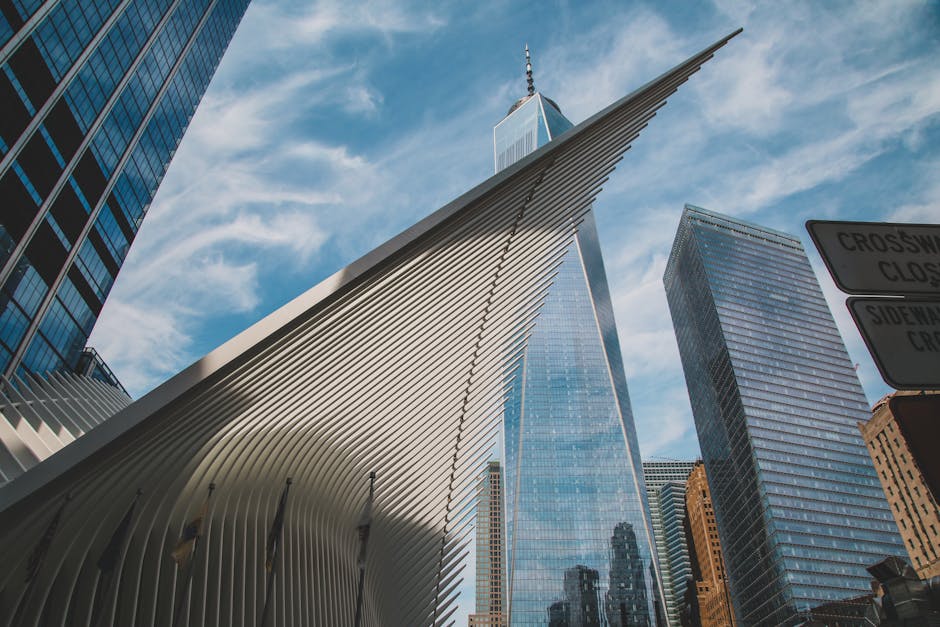
TAG World Trade Center: A Nexus of Global Commerce and Modern Urban Design
The TAG World Trade Center, a prominent fixture in the skyline, stands as a testament to modern architectural innovation and a vital hub for international business. More than just a collection of buildings, it represents a dynamic ecosystem designed to foster global trade, collaboration, and economic growth. Its strategic location, state-of-the-art facilities, and integrated urban planning make it a significant player in the global commercial landscape. This article delves into the multifaceted aspects of the TAG World Trade Center, exploring its architectural significance, economic impact, operational framework, and its role in shaping the future of international commerce.
Architectural Vision and Urban Integration
The architectural design of the TAG World Trade Center is a carefully orchestrated symphony of form and function, prioritizing both aesthetic appeal and practical utility. The complex typically comprises a series of interconnected towers, each designed with distinct yet complementary characteristics. These structures often feature a sleek, contemporary aesthetic, utilizing materials like glass, steel, and polished concrete to create a visually striking impression. The design philosophy behind such developments emphasizes sustainability and occupant well-being. This includes maximizing natural light, incorporating green spaces where feasible, and employing energy-efficient technologies in construction and operation. The sheer scale of the towers necessitates meticulous engineering to ensure structural integrity and resilience. Advanced seismic considerations and wind-load management are paramount in their design, reflecting a commitment to safety and longevity.
Beyond the individual structures, the urban integration of the TAG World Trade Center is a critical element of its success. It is rarely an isolated entity. Instead, it is typically woven into the existing urban fabric, with thoughtful consideration given to pedestrian flow, public transportation access, and the creation of vibrant public spaces. This integration aims to blur the lines between the business environment and the surrounding city, encouraging interaction and contributing to the overall livability of the area. The presence of retail outlets, restaurants, and cultural amenities within or in close proximity to the complex further enhances its appeal as a destination, drawing not only business professionals but also the general public. This holistic approach to urban development transforms the World Trade Center from a mere commercial space into a thriving micro-city. The landscaping surrounding the towers often plays a crucial role, providing oases of calm and visual respite within the bustling urban environment. Water features, sculpted gardens, and open plazas contribute to a sense of place and enhance the user experience. The connectivity of the complex is also a key architectural consideration, with skybridges and underground passages often linking different towers and to surrounding transportation networks, ensuring seamless movement for occupants and visitors alike.
Economic Engine: Fostering Global Trade and Investment
The TAG World Trade Center functions as a powerful economic engine, driving international trade and attracting foreign direct investment. Its primary purpose is to provide a centralized platform for businesses engaged in global commerce. This involves offering premium office spaces, sophisticated meeting facilities, and access to a network of international trade organizations and service providers. By concentrating these resources, the complex streamlines the process of international business operations, reducing logistical hurdles and fostering efficiency. The presence of a diverse array of multinational corporations, embassies, trade associations, and financial institutions within the complex creates a synergistic environment. This proximity facilitates collaboration, knowledge sharing, and the formation of strategic partnerships, ultimately leading to increased trade volumes and economic opportunities.
The economic impact extends beyond the immediate tenants. The operational needs of the World Trade Center – from maintenance and security to catering and professional services – generate significant employment opportunities within the local economy. Furthermore, the increased foot traffic and business activity stimulate demand for goods and services in the surrounding areas, benefiting retail, hospitality, and other service sectors. For many cities, hosting a World Trade Center is a strategic move to enhance their global competitiveness and attract investment. It signals a commitment to international business and provides a tangible asset that can be leveraged in trade promotion efforts. The ability of the TAG World Trade Center to connect local businesses with international markets and vice versa is a core component of its economic mandate. This often involves organizing trade missions, hosting international trade fairs, and providing market intelligence to its members.
The complex acts as a catalyst for innovation by bringing together diverse industries and perspectives. This cross-pollination of ideas can lead to the development of new products, services, and business models, further contributing to economic dynamism. The presence of entities like chambers of commerce and export promotion agencies within the World Trade Center further amplifies its role in facilitating trade. These organizations often provide critical support services to businesses looking to expand internationally, including market research, legal advice, and access to financing. The financial sector’s presence is also crucial, with banks and financial institutions offering services tailored to international transactions, currency exchange, and trade finance. This comprehensive ecosystem ensures that businesses operating within the TAG World Trade Center have access to all the necessary resources to succeed on a global scale.
Operational Excellence and Technological Integration
The seamless operation of the TAG World Trade Center relies on a robust infrastructure and a commitment to technological advancement. High-speed internet connectivity, advanced telecommunications systems, and secure data management are not merely amenities but essential requirements for modern global commerce. The complex typically boasts sophisticated building management systems that monitor and control everything from HVAC and lighting to security and energy consumption, optimizing efficiency and occupant comfort. Security is a paramount concern, and World Trade Centers are equipped with state-of-the-art surveillance systems, access control technologies, and highly trained security personnel to ensure a safe and secure environment for all occupants and visitors.
The integration of smart building technologies is increasingly becoming a hallmark of these complexes. This can include automated systems for energy management, predictive maintenance for building systems, and intelligent space utilization tools. These technologies not only enhance operational efficiency but also contribute to sustainability goals by reducing energy waste and optimizing resource allocation. The concierge services and tenant support offered within the World Trade Center are designed to provide a comprehensive and hassle-free experience for businesses. This can include assistance with event planning, logistical support, and access to professional networks. The availability of flexible workspace solutions, from fully equipped offices to co-working spaces and meeting rooms, caters to the diverse needs of businesses, from established multinational corporations to emerging startups.
The emphasis on connectivity extends to digital platforms. Many World Trade Centers offer online portals and mobile applications that provide tenants with access to building services, event calendars, networking opportunities, and essential business resources. This digital infrastructure plays a crucial role in fostering a sense of community and facilitating communication among occupants. Furthermore, the ongoing maintenance and upgrades of the physical and technological infrastructure are critical to maintaining the prestige and functionality of the TAG World Trade Center. A proactive approach to maintenance ensures that the facilities remain at the cutting edge of industry standards and continue to meet the evolving demands of global business. The inclusion of advanced audiovisual equipment in meeting rooms and conference facilities is also vital for facilitating seamless international communication and presentations, further enhancing the World Trade Center’s role as a global business facilitator.
A Hub for Networking and Collaboration
The TAG World Trade Center is fundamentally a nexus for networking and collaboration, fostering connections that transcend geographical boundaries. The co-location of diverse businesses, government agencies, and international organizations creates an unparalleled environment for serendipitous encounters and planned interactions. Regular events, seminars, and trade forums are organized within the complex, providing platforms for members to share insights, discuss market trends, and forge new business relationships. These events are crucial for staying abreast of industry developments and identifying emerging opportunities.
The serendipitous encounters that occur within the common areas, lobbies, and cafes are often as valuable as formal meetings. The sheer density of international professionals creates a fertile ground for the exchange of ideas and the discovery of potential collaborations. Membership in a World Trade Center often grants access to a global network of affiliated centers, enabling businesses to leverage connections and resources in cities around the world. This global reach is a significant differentiator, providing a competitive advantage for businesses operating within the complex. The dedicated business development teams within the World Trade Center often play an active role in facilitating these connections, making introductions and organizing tailored networking opportunities for their members.
The emphasis on community building within the TAG World Trade Center is a strategic imperative. By fostering a sense of belonging and shared purpose, the complex encourages its members to engage with each other, share best practices, and collectively contribute to the growth of international trade. This collaborative spirit is essential for tackling complex global challenges and capitalizing on shared opportunities. The availability of shared amenities, such as business lounges and co-working spaces, further encourages informal networking and cross-industry interaction. These spaces are designed to be comfortable and conducive to conversation, making it easy for individuals to connect and build rapport. The diverse backgrounds and expertise of individuals within the complex create a rich tapestry of knowledge and experience, which can be tapped into through networking and collaborative initiatives.
The Future of Global Commerce and the TAG World Trade Center
The TAG World Trade Center is not static; it is continuously evolving to meet the dynamic demands of the global marketplace. As technology advances and trade patterns shift, these complexes are adapting to remain at the forefront of international commerce. The increasing emphasis on sustainability and corporate social responsibility is being integrated into their design and operational strategies, reflecting a broader trend towards ethical and environmentally conscious business practices. The rise of e-commerce and digital trade presents new opportunities and challenges, and World Trade Centers are exploring innovative ways to support businesses in navigating this evolving landscape, potentially through digital trade platforms, cybersecurity services, and logistics support for online businesses.
The concept of the "smart city" is increasingly being incorporated into the development of World Trade Centers, with a focus on leveraging technology to enhance efficiency, sustainability, and the overall experience of occupants and visitors. This can include integrated transportation solutions, smart waste management, and advanced data analytics to optimize building operations. The ongoing demand for flexible and adaptable workspaces suggests that future World Trade Centers will continue to offer a diverse range of office solutions to cater to the evolving needs of businesses. This might include more modular designs, hot-desking facilities, and enhanced support for remote and hybrid work models.
The role of the TAG World Trade Center as a thought leader in global trade is also likely to expand. By convening stakeholders, facilitating dialogue, and disseminating research and insights, these complexes can play a crucial role in shaping policies and driving innovation in international commerce. The ongoing transformation of the global economic landscape, with the emergence of new markets and the shifting balance of global power, will require World Trade Centers to remain agile and responsive. Their ability to adapt to these changes and provide relevant services will be critical to their continued success. The integration of virtual and augmented reality technologies for remote meetings and virtual trade shows could also become more prevalent, further expanding the reach and accessibility of the World Trade Center’s services. Ultimately, the TAG World Trade Center, with its forward-looking vision and commitment to fostering global connections, is poised to remain a vital engine of international commerce for years to come.
