A groundbreaking study from the University of Reading has unearthed a concerning reality for UK diners: many of the nation’s favourite takeout meals harbour significantly more salt than advertised, with some single servings dwarfing the recommended daily intake. The research, published in the esteemed journal PLOS One, casts a critical spotlight on the accuracy of restaurant menu labelling and raises urgent questions about public health and dietary transparency.
The investigation, which analysed 39 popular takeout dishes from 23 diverse establishments across Reading, found that a staggering 47% of sampled foods contained higher salt levels than their stated menu values. This discrepancy is particularly worrying given the established link between excessive salt consumption and serious health conditions. The World Health Organization (WHO) estimates that inadequate salt intake contributes to approximately 1.8 million global deaths annually, underscoring the critical importance of accurate nutritional information.
The Salt Surprise: Curries, Pizzas, and Pastas Under Scrutiny
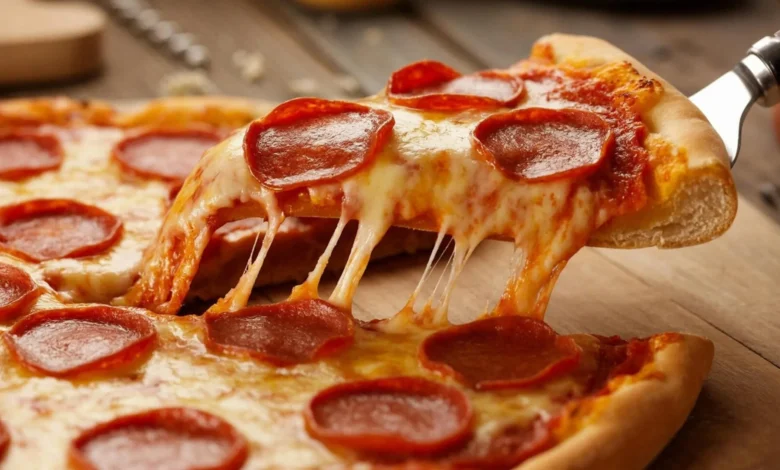
Among the most implicated categories were curries, pasta dishes, and pizzas – staples of the British takeout scene. These dishes frequently exceeded their declared salt content, often by substantial margins. While not all restaurants provided salt information on their menus, those that did were found to be misleading in nearly half of the cases.
One of the most alarming findings emerged from independent eateries in Reading, where certain single servings of takeout meals were found to contain over 10 grams of salt. This figure is deeply concerning when contrasted with the UK’s recommended daily salt intake for adults, which stands at a mere 6 grams. To put this into perspective, consuming just one of these high-salt meals could mean exceeding the entire day’s recommended limit in a single sitting.
Professor Gunter Kuhnle, the lead researcher from the University of Reading, articulated the impetus behind the study: "We conducted this research because we suspected that many menu labels were inaccurate on salt. It is very difficult for restaurants to provide accurate values without measuring each meal. Variations in preparation methods, ingredients used and portion sizes mean food labels are often guesswork. It’s virtually impossible to know exactly how much salt is being added to your dinner."
Professor Kuhnle elaborated on the complexities of restaurant food preparation, explaining that inconsistencies in cooking techniques, ingredient sourcing, and even the exact quantities of seasonings used can lead to significant variations in the final salt content of a dish. This inherent variability makes precise labelling a formidable challenge for many food businesses.
The Unforeseen Champion: Fish and Chips Offer a Salty Surprise
In a twist that defied common assumptions, traditional fish and chip shops emerged as a surprisingly positive outlier in the study. These establishments, often perceived as indulgent choices, were found to serve some of the lowest-salt meals among those tested. The researchers attributed this to the unique way fish and chips are typically prepared and consumed. Salt is usually an optional addition, applied by the diner after the food has been cooked, rather than being an integral part of the cooking process itself. This allows consumers to control their salt intake more effectively, making these meals a potentially healthier option than many other takeout choices.
A Deep Dive into the Study’s Methodology and Findings
The University of Reading study, meticulously designed and executed, aimed to achieve two primary objectives: to assess the accuracy of salt content declarations on restaurant menus and to understand the variability of salt levels within similar types of takeout dishes.
The research team embarked on a systematic data collection process, visiting 23 different takeout locations across Reading. These included a mix of well-known national restaurant chains and smaller, independent businesses, aiming for a representative sample of the UK’s diverse takeout landscape. A total of 39 distinct takeout meals were purchased and subjected to rigorous laboratory analysis to determine their precise salt content.
While the original article did not detail the specific salt content of each dish or the percentage breakdown of mislabelled items within each category (e.g., percentage of curries found to be higher in salt than stated), the overarching finding of 47% inaccuracy across all tested foods provides a stark picture. The implication is that consumers are making dietary decisions based on information that is, in a significant portion of cases, demonstrably inaccurate.
The Broader Context: Salt Reduction Efforts and Public Health Imperatives
The study’s findings arrive at a crucial juncture in ongoing public health efforts to reduce salt consumption in the UK. For years, the Department of Health and Social Care, in collaboration with the Food Standards Agency (FSA), has been engaged in voluntary salt reduction programmes with the food industry. These initiatives have seen some success in lowering salt levels in processed and packaged foods found in supermarkets.
However, the University of Reading study highlights that the out-of-home sector – encompassing restaurants, cafes, and takeaways – remains a significant challenge. Professor Kuhnle’s statement, "Food companies have been reducing salt levels in shop-bought foods in recent years, but our research shows that eating out is often a salty affair," directly addresses this disparity.
The implications of this are far-reaching. High salt intake is a well-established risk factor for hypertension (high blood pressure), which in turn is a leading cause of cardiovascular diseases such as heart attacks and strokes. Reducing salt consumption is therefore a cornerstone of preventative healthcare strategies worldwide. The WHO’s recommendation of less than 5 grams of salt per day for adults is a global public health target aimed at mitigating the burden of these preventable diseases.
Expert Reactions and Industry Implications
While specific official statements from major restaurant chains or regulatory bodies were not included in the initial report, the findings are likely to provoke responses. Industry bodies, such as the Foodservice Association, may be compelled to review their members’ labelling practices and internal quality control measures. Consumer advocacy groups are also expected to call for greater transparency and stricter enforcement of nutritional labelling regulations.
The study raises important questions about the feasibility of accurate menu labelling in dynamic food service environments. Professor Kuhnle’s observation that "menu labels are supposed to help people make better food choices, but almost half the foods we tested with salt labels contained more salt than declared" underscores a critical failure in the current system.
Moving Forward: Empowering Consumers and Enhancing Accountability
The University of Reading’s research serves as a potent reminder that consumers seeking to manage their salt intake must exercise caution when dining out. The study’s conclusion that "the public needs to be aware that menu labels are rough guides at best, not accurate measures" is a stark warning.
For consumers, this means:
- Seeking information: Actively inquire about ingredients and preparation methods if concerned about salt content.
- Portion control: Be mindful of serving sizes, as larger portions naturally contain more salt.
- Choosing wisely: Opt for dishes that are less likely to be heavily processed or sauced, and consider the fish and chip anomaly as a potential healthier option when enjoyed in moderation.
- Home cooking: Prioritizing home-cooked meals remains the most effective way to control salt intake precisely.
From a public health perspective, the study’s implications are clear:
- Enhanced regulation: There may be a need for stronger regulatory oversight of nutritional labelling in the out-of-home sector.
- Industry best practices: Encouraging and supporting restaurants in developing more accurate and reliable methods for assessing and declaring salt content is paramount.
- Public awareness campaigns: Continued efforts to educate the public about the risks of excessive salt intake and the importance of accurate nutritional information are vital.
The University of Reading’s research, while focused on Reading, has national resonance. It shines a light on a pervasive issue that affects millions of UK diners every week, urging a collective effort from consumers, the food industry, and policymakers to ensure that eating out can be both enjoyable and aligned with healthy dietary choices. The battle against excessive salt consumption is far from over, and this study marks a significant step in understanding and addressing the hidden salt lurking in our favourite takeout meals.