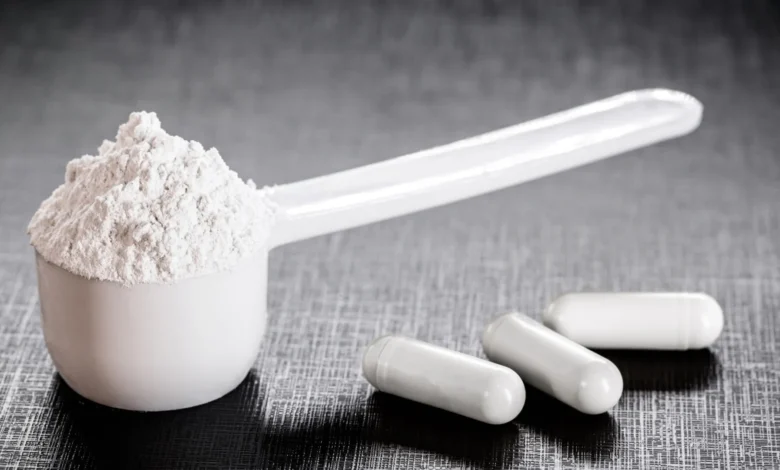
The familiar name of creatine, a cornerstone of sports nutrition and a widely recognized performance enhancer in athletic circles, is now surfacing in a decidedly different arena: the complex landscape of mental health. Emerging research, detailed in a recent systematic review published in the esteemed journal Brain Medicine, is cautiously exploring the potential of this popular supplement to offer relief from depressive symptoms by addressing the brain’s fundamental energy requirements. While the findings present a tantalizing glimpse of possibility, they simultaneously underscore the significant unknowns that still shroud this developing area of scientific inquiry.
A Glimmer of Hope, Shrouded in Uncertainty
The systematic review, meticulously compiled by researchers led by Bassam Jeryous Fares of the University of Ottawa, offers a nuanced perspective. It highlights a division within the existing clinical evidence: some studies report statistically significant improvements in depression scores, while others have yielded no discernible benefit. This dichotomy leaves the scientific community grappling with an intriguing question rather than a definitive answer, prompting further investigation into creatine’s multifaceted biological roles.
The review’s methodology involved a comprehensive analysis of existing research rather than the initiation of new experimental trials. The research team meticulously sifted through the available literature, ultimately identifying six published reports that encompassed five randomized controlled trials. In these trials, participants were unknowingly assigned to receive either creatine or a placebo, a standard practice designed to mitigate bias and isolate the effects of the intervention being studied.
These pivotal studies were conducted across diverse geographical locations, including South Korea, the United States, Brazil, Israel, and India, reflecting a global interest in this potential therapeutic avenue. Collectively, these trials began with 238 participants. Of this cohort, 126 individuals were administered creatine, while 112 received a placebo. The average age of participants hovered around 36 years, with a notable preponderance of women in the study populations. Indeed, two of the enrolled studies exclusively focused on female participants.
The clinical focus of these trials varied. Four of the studies specifically targeted individuals diagnosed with major depressive disorder, a chronic and often debilitating mental health condition. A fifth study, however, extended its scope to include participants with bipolar disorder who were experiencing a depressive episode, a population that presents unique challenges in treatment due to the potential for mood swings. The inherent variability in the design and methodological approaches employed across these studies meant that the researchers opted against a unified statistical analysis. Instead, they meticulously evaluated each study on an individual basis, a decision that respects the nuances of each research endeavor.
A Divided Landscape: The Clinical Evidence Unpacked
The systematic review’s examination of the clinical evidence paints a decidedly mixed picture, revealing a landscape where potential benefits are not universally observed.
In two of the five reviewed trials, both of which exclusively involved women diagnosed with major depressive disorder, creatine demonstrated additional benefits when used as an adjunct therapy. In one notable study, participants who received five grams of creatine daily in conjunction with the commonly prescribed antidepressant escitalopram exhibited substantially greater reductions in depressive symptoms after an eight-week treatment period compared to those who received escitalopram alongside a placebo. This improvement was considered statistically significant by conventional standards, registering a Cohen’s d of 1.13 on the Hamilton Depression Rating Scale, a widely recognized measure of depression severity. Furthermore, a greater proportion of participants in the creatine group achieved remission from their depressive symptoms.
Another compelling study explored the efficacy of creatine when paired with cognitive behavioral therapy (CBT), a widely adopted psychotherapeutic approach for depression. In this instance, participants who received creatine in addition to CBT demonstrated a more pronounced reduction in depression symptoms, as assessed by a standard diagnostic questionnaire, when compared to those who underwent CBT with a placebo. These findings suggest a potential synergistic effect between creatine and established therapeutic interventions for depression.
However, the narrative shifts with the remaining three trials, which unfortunately reported no discernible meaningful benefit from creatine supplementation. One of these studies investigated the impact of creatine in individuals whose depression had proven resistant to conventional medication. Despite administering either five or ten grams of creatine daily, the researchers found no significant improvement in depressive symptoms. This outcome raises questions about whether creatine might be more effective in individuals who have not yet undergone extensive pharmacological treatment.
A separate trial focused on adolescent girls and found no advantage of creatine over placebo, even when varying dosages were tested. This suggests that age and developmental stage may play a role in the response to creatine supplementation for depression. Furthermore, a third trial, which included individuals with bipolar disorder experiencing a depressive episode, also failed to demonstrate any improvement in symptoms with creatine use. This finding is particularly significant given the potential for mood stabilizers to interact with other substances.
Beyond the efficacy data, the review also flagged an important safety consideration. Two participants with bipolar disorder who were administered creatine experienced episodes of hypomania or mania. This observation raises a critical red flag, suggesting that creatine’s effects might be modulated by an individual’s underlying psychiatric condition, necessitating careful consideration and monitoring in vulnerable populations.
The Biological Rationale: Why Creatine Might Influence Brain Function
The underlying scientific rationale for investigating creatine as a potential therapeutic for depression is rooted in the brain’s extraordinary and relentless energy demands.
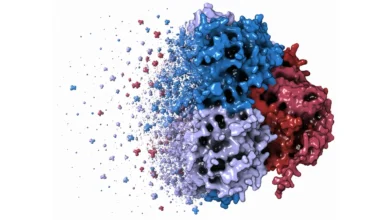
Creatine is most widely recognized for its role in facilitating the rapid regeneration of adenosine triphosphate (ATP) within muscle cells. ATP serves as the primary energy currency for all cellular processes. However, the brain, with its dense network of neurons and constant electrical activity, is a similarly energy-intensive organ and relies heavily on this same ATP-generating system. Previous scientific endeavors have identified alterations in brain creatine metabolism among individuals diagnosed with mood disorders, leading researchers to hypothesize that disruptions in cellular energy production could indeed contribute to the pathophysiology of depression.
Furthermore, emerging research suggests that creatine may also exert influence over key neurotransmitters, specifically dopamine and serotonin. These neurochemicals are intrinsically linked to mood regulation, and they are the primary targets of many widely prescribed antidepressant medications. By potentially modulating the availability or function of these neurotransmitters, creatine could theoretically contribute to an improved mood state.
Despite these compelling theoretical connections, the authors of the review strongly emphasize that these linkages remain largely speculative. The existing studies primarily demonstrate correlations rather than establishing a definitive causal relationship. They do not definitively prove that altered creatine metabolism directly causes depression, acknowledging that depression is a complex disorder influenced by a multitude of interconnected biological pathways.
Bassam Jeryous Fares, the lead author of the review and a student at the University of Ottawa’s Faculty of Medicine, articulated this nuanced perspective. "The signal is interesting, but it is not a verdict," he stated. "Two trials pointed one way and three pointed another. That is not the kind of evidence on which you change clinical practice. It is the kind that tells you the question is worth further exploration." This sentiment underscores the cautious optimism that pervades the scientific community regarding this nascent area of research.
Nicholas Fabiano, the corresponding author of the review and a psychiatry resident at the University of Ottawa, echoed this call for prudence. "Creatine appears to be a safe intervention," he noted. "The adverse events we found were limited to mild gastrointestinal discomfort. We cannot yet reliably say that creatine helps with depressive symptoms or if the findings are generalizable to everyone." This emphasis on safety, coupled with the acknowledgment of limited generalizability, is crucial for responsible scientific communication.
The Road Ahead: The Imperative for Larger, More Robust Studies
The researchers are unequivocal in their assertion that the current body of evidence is insufficient to endorse the routine use of creatine for the treatment of depression. The existing clinical trials, while valuable, suffer from several limitations that temper the strength of their conclusions.
A significant constraint is the relatively small sample sizes employed in these studies. Furthermore, the demographic representation within these trials is skewed, with a disproportionately higher number of women included compared to men. This gender imbalance could potentially obscure or amplify effects that might differ between sexes. The methodological quality of the studies also varied considerably. While two studies were assessed as having a low risk of bias, the remaining three raised concerns, primarily related to the methods of participant assignment and the handling of missing data, which can introduce potential confounding factors. Consequently, the findings derived from these trials cannot be broadly applied to the general population or to all individuals experiencing depression.
In light of these limitations, the review authors advocate for the initiation of larger and longer-term clinical trials. They propose extending study durations beyond the typical eight-week period to better assess sustained effects and potential long-term outcomes. Additionally, researchers recommend investigating creatine’s efficacy when combined with other interventions, such as regular exercise, which is a well-established mood-boosting activity. The impact of different dosages also warrants further exploration, with a keen awareness that higher doses do not necessarily equate to greater benefits and could potentially increase the risk of adverse effects.
Intriguingly, findings from animal studies may offer further clues to understanding creatine’s complex interaction with mood. Experiments conducted on rodents have indicated that creatine can influence depression-like behaviors differently in male and female animals. This observation could potentially shed light on why the human studies that yielded the most robust positive results predominantly involved female participants. Such sex-specific responses highlight the need for research that considers biological sex as a critical variable.
A Promising Avenue, Not Yet a Proven Prescription
For the present, creatine remains an intriguing scientific possibility rather than a definitively proven treatment for depression. The supplement, long associated with enhancing physical performance and building muscle mass, is now capturing the attention of scientists actively seeking novel therapeutic strategies for one of the world’s most prevalent mental health challenges. The journey from an established sports supplement to a potential adjunct therapy for depression is a complex one, requiring rigorous scientific validation and a thorough understanding of its intricate biological mechanisms.
The peer-reviewed research article, titled "Creatine as a treatment for depression," was published in Brain Medicine. Its availability through Open Access, commencing June 30, 2026, will undoubtedly facilitate further scientific discourse and research into this compelling subject. As the scientific community continues to unravel the multifaceted roles of creatine, the hope remains that this familiar compound might one day offer a new avenue of support for individuals navigating the profound challenges of depression. The exploration is ongoing, and the potential implications, should further research prove fruitful, could be significant for millions worldwide.