Laboratory research conducted at the University of Cambridge has unveiled a potentially significant interaction between commonly consumed sweeteners and the beneficial bacteria that inhabit the human gut. The findings suggest that these sweeteners may not be biologically inert as often assumed, and can directly impede the growth of microbes crucial for digestive health, immune function, and metabolic regulation. The most striking observation in the study was the synergistic effect of isosteviol, a sweetener widely used in the food and beverage industry, when combined with duloxetine, a prevalent antidepressant. This combination demonstrated a potent ability to drastically reduce the proliferation of two bacterial species vital for a healthy digestive system.
While the research was conducted under controlled laboratory conditions and not in human subjects, it raises important questions about the long-term implications of widespread sweetener consumption. The study, published in the journal Molecular Systems Biology, meticulously examined the impact of 39 different sweeteners, both natural and artificial, on 25 distinct bacterial species commonly found in the human gut. The implications of these findings, though preliminary, could necessitate a re-evaluation of how sweeteners are perceived and regulated, particularly in light of their ubiquitous presence in everyday products.
Unpacking the Sweetener-Microbiome Connection
Sweeteners have become a cornerstone of modern dietary trends, aggressively marketed as healthier alternatives to sugar, offering sweetness without the caloric or metabolic burden. They are incorporated into an astonishing array of products, from diet sodas and sugar-free candies to breakfast cereals, snack bars, and even some over-the-counter medications. This broad application stems from their ability to provide a sweet taste profile while minimizing sugar intake, a strategy aimed at combating rising rates of obesity and type 2 diabetes.
However, a growing body of epidemiological and observational research has begun to draw correlations between regular sweetener consumption and an increased risk of various chronic health conditions. These include type 2 diabetes, obesity, and certain types of cancer. It is crucial to note that these associations do not definitively establish causation. Scientists are actively engaged in deciphering the complex biological mechanisms that might underpin these observed links. One of the most promising avenues of investigation lies within the gut microbiome.
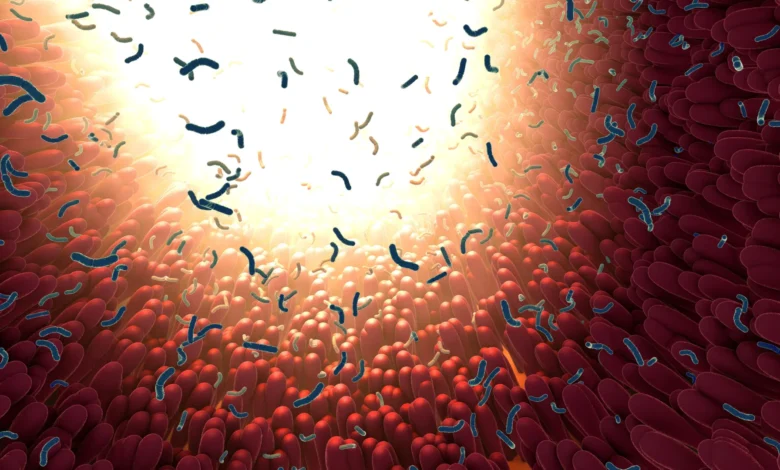
The human gut microbiome is an incredibly complex ecosystem, comprising trillions of bacteria, fungi, viruses, and other microorganisms. This microbial community plays an indispensable role in human health, assisting in the digestion of food, the synthesis of essential vitamins, the training and modulation of the immune system, and the regulation of metabolism. An imbalance or significant alteration in the composition and diversity of these microbes, often referred to as dysbiosis, has been implicated in a wide range of health issues, from inflammatory bowel disease to neurological disorders and even mental health conditions.
Despite the pervasive use of sweeteners, a critical gap has existed in understanding their direct impact on individual gut bacteria. Professor Kiran Patil, from the Medical Research Council (MRC) Toxicology Unit at the University of Cambridge, articulated this challenge: "Most of what we know about the potential impact of sweeteners on our health comes from animal research or from population studies. While these studies have indicated involvement of the microbiome in mediating the effect of sweeteners, it’s difficult to know how sweeteners act in the body — is it through direct interactions with our gut bacteria?"
Adding another layer of complexity, Dr. Sonja Blasche, a lead author of the study and also affiliated with the MRC Toxicology Unit, pointed out the typical consumption patterns: "Answering this is further complicated by the fact that we rarely ever take sweeteners by themselves — we take them with drinks, in snacks, or even in medication to mask bitterness." This highlights the likelihood that sweeteners are rarely encountered in isolation by the gut microbiome, suggesting that their effects could be modulated by other co-ingested substances.
Pioneering Research: Testing Sweeteners Against Gut Bacteria
The University of Cambridge study embarked on a comprehensive investigation to address these knowledge gaps. Dr. Blasche and her team systematically tested the effects of 39 commercially available sweeteners on 25 different bacterial species. This diverse selection encompassed bacteria that are generally considered beneficial, neutral, or potentially pathogenic to human health. The experimental setup involved growing these bacterial species individually in laboratory cultures and then exposing them to varying concentrations of each sweetener.
The researchers meticulously monitored the growth rate of each bacterial culture. They specifically looked for instances where the presence of a sweetener led to a slowdown or complete cessation of bacterial multiplication. The results were striking: approximately three-quarters of the sweeteners tested demonstrated an observable effect on the growth of at least one bacterial species. More concerningly, several sweeteners were found to significantly inhibit or entirely halt the growth of bacteria that are recognized as integral components of a healthy digestive system. These findings strongly challenge the long-held assumption that sweeteners are inert substances that simply pass through the gastrointestinal tract without engaging with the resident microbial populations.
The Synergistic Effect: Unveiling Over 100 Unexpected Interactions
Recognizing the reality of human dietary habits, where sweeteners are rarely consumed in isolation, the research team extended their investigation to explore the impact of sweeteners when combined with other common dietary and pharmaceutical compounds. This crucial phase of the study aimed to mimic the complex chemical milieu that the gut microbiome encounters daily. The scientists paired the sweeteners with substances such as caffeine, vanillin (a primary component of vanilla flavoring), advantame (another artificial sweetener), and eight different commonly prescribed medications.
This intricate experimental design yielded a remarkable discovery: over 100 instances were identified where the effect of a sweetener on bacterial growth was significantly altered by the presence of another compound. In 34 of these cases, the combined effect was amplified, leading to a more pronounced inhibition of bacterial growth. Conversely, in 68 instances, the presence of the co-ingested substance weakened the sweetener’s impact. This suggests that the ultimate influence of a particular sweetener on the gut microbiome is not a fixed entity but can be context-dependent, influenced by the entire matrix of substances consumed concurrently.
A Potent Combination: Isosteviol and Duloxetine Emerge
Among the numerous combinations tested, one particular pairing stood out for its dramatic and potent effect: isosteviol and duloxetine. Duloxetine, marketed under brand names like Cymbalta, is a widely prescribed medication used to treat major depressive disorder, generalized anxiety disorder, fibromyalgia, and neuropathic pain. In 2023 alone, over 4.2 million patients in the United States received prescriptions for this drug, underscoring its extensive use.
When isosteviol and duloxetine were introduced together to bacterial cultures, they exhibited a powerful synergistic effect, leading to a sharp and significant suppression of two critical bacterial species: Roseburia intestinalis and Parabacteroides merdae. Both of these species are recognized as vital contributors to a healthy gut microbiome. Roseburia intestinalis, for instance, is known for its ability to produce butyrate, a short-chain fatty acid that serves as a primary energy source for colonocytes (cells lining the colon) and plays a key role in maintaining gut barrier integrity and reducing inflammation. Parabacteroides merdae has also been linked to beneficial roles in digestion and immune modulation.
To further investigate these interactions in a more complex microbial environment, the researchers moved beyond single-species cultures. They constructed a simplified synthetic microbial community, comprising all 25 tested bacterial species, designed to mimic the crowded and interactive nature of the human gut. After allowing this community to establish itself, they exposed it to various combinations of sweeteners and medications, including the isosteviol-duloxetine pairing.
Declining Gut Microbial Diversity and Immune Implications
The results from the synthetic community experiments provided deeper insights into the potential consequences of these interactions. The combination of isosteviol and duloxetine was found to significantly reduce the overall microbial diversity within the synthetic community. A high degree of microbial diversity is generally considered a hallmark of a resilient and healthy gut microbiome, capable of adapting to various environmental challenges. A decline in diversity can make the microbiome more susceptible to pathogenic invasions and less efficient in performing its essential functions.
Furthermore, this combination disrupted the delicate internal balance of the microbial community. Certain bacterial species were observed to flourish, potentially at the expense of others, leading to an altered community structure. The study’s analysis extended to examining the functional consequences of these microbial shifts. Preliminary experiments suggested that these changes could increase the toxicity of the microbial community towards certain host cells and interfere with the activity of other cells involved in inflammatory and immune responses.
These findings raise the intriguing possibility that interactions between sweeteners, medications, and gut microbes could extend their influence beyond mere digestion, potentially impacting systemic health, including immune regulation and inflammatory processes. However, the researchers are quick to emphasize that even these synthetic communities, while more complex than single-species cultures, cannot fully replicate the intricate biological symphony of the human body.
Re-evaluating "Metabolically Neutral" Claims
Dr. Blasche reiterated the significance of these findings: "Sweeteners are often marketed as metabolically neutral, but our study challenges this idea. We found that they can directly affect gut bacteria, particularly when mixed with other compounds such as medication and food additives. These common combinations could have unintended effects on our gut microbiome." This statement directly questions the prevailing narrative surrounding sweeteners, suggesting that their impact might be far more biologically active than previously understood.
The Imperative for Human Studies
Despite the compelling nature of these laboratory findings, the researchers are unequivocal in their caution against drawing direct conclusions about human health effects at this stage. Professor Patil stressed that the experiments were conducted under strictly controlled laboratory conditions, utilizing isolated bacteria and simplified microbial communities. In the complex environment of the human digestive system, numerous factors can influence how sweeteners behave. They may be absorbed in the upper gastrointestinal tract, chemically altered by digestive enzymes, diluted by vast volumes of ingested food and fluids, or broken down by other microbial processes before reaching specific bacterial populations in significant concentrations.
Moreover, individual factors such as diet, genetic predispositions, existing medication regimens, and the unique composition of a person’s native microbiome can all profoundly influence the outcome of these interactions. Therefore, future research must focus on translating these laboratory observations into the human context. The critical next steps involve designing human studies to determine if similar interactions occur in vivo, identify the specific doses that might trigger these effects, and ascertain whether any observed microbial changes translate into measurable health outcomes.
Professor Patil concluded with a forward-looking perspective: "Our study suggests that artificial sweeteners don’t just pass through the body passively — they can interact with gut microbes, and these effects can be amplified or altered by other substances like medications. These findings can help guide new studies towards understanding how sweeteners might influence health in unexpected ways."
The research was made possible through funding from the European Union’s Horizon 2020 program and the UK Medical Research Council, underscoring the significant investment in understanding the intricate relationship between diet, our microbiome, and overall health. This pioneering work opens a new frontier in understanding the subtle yet potentially far-reaching impacts of everyday consumables on our internal microbial ecosystems.
Related posts: