The Genesis of InterPositive and Affleck’s Vision
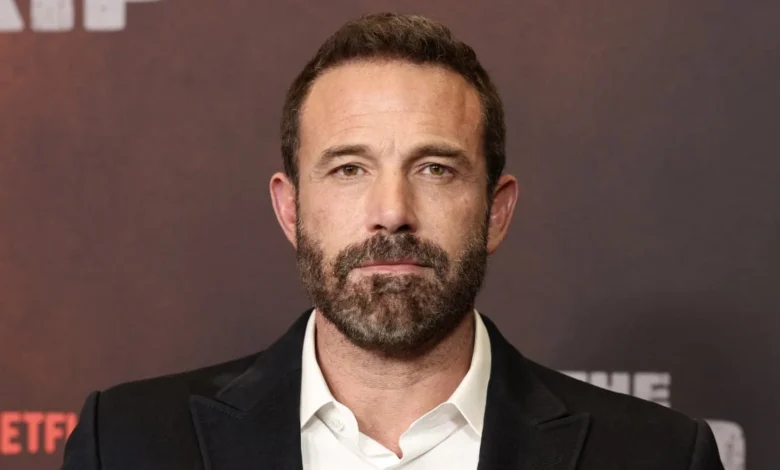
The origins of InterPositive trace back to 2022, a period when Ben Affleck, a seasoned actor, director, and producer, began to keenly observe the nascent rise of artificial intelligence within the production ecosystem. Affleck, whose illustrious career spans decades and includes directorial successes like "Argo" and "The Town," identified a critical gap in the burgeoning AI landscape. He noted that while early AI models showed promise, they frequently "came up short" in addressing the nuanced and complex demands of artistic storytelling. His vision for InterPositive was rooted in the belief that for artists to effectively leverage these powerful new tools, they needed to be "purpose-built to represent and protect all the qualities that make a great story." This philosophy formed the bedrock of InterPositive’s development, positioning it not as a replacement for human creativity but as an intelligent assistant designed to empower filmmakers.
Affleck further elaborated on InterPositive’s core functionality in a video released concurrently with the acquisition announcement. He explicitly clarified that the startup’s technology was "not about text prompting or generating something from nothing," directly addressing common anxieties within the creative community regarding generative AI. Instead, InterPositive’s innovative tools are engineered to construct a bespoke AI model tailored specifically to the unique visual and auditory characteristics of each individual film project. This highly specialized model is then deployed during the intricate post-production phases, aiding in critical processes such as audio mixing, color grading, and visual effects integration. The overarching objective, as articulated by Affleck, is to liberate filmmakers from the often-tedious technical minutiae of post-production, allowing them to remain fully immersed in and focused on capturing authentic performances and shaping the narrative during principal photography. This approach resonates deeply with Netflix’s stated rationale for the acquisition, which they framed as "investing in creator-led innovation that keeps filmmakers at the center of the process."
Chronology of a Landmark Acquisition
The timeline leading to Netflix’s acquisition of InterPositive illustrates a rapid progression from conceptualization to a major industry transaction.
- 2022: Ben Affleck founds InterPositive, driven by his observation of early AI limitations in film production and his desire to create artist-centric tools. This period marks the initial development phase of the proprietary AI technology.
- Early 2020s: The broader entertainment industry witnesses a surge in interest and investment in AI, particularly for content generation, optimization, and audience analytics. However, debates intensify around AI’s ethical implications, job security, and its role in creative processes, setting a complex backdrop for InterPositive’s emergence.
- March 5, 2026: Netflix officially announces its acquisition of InterPositive. The announcement emphasizes Netflix’s commitment to "creator-led innovation" and outlines Affleck’s vision for the technology as a tool to support, rather than supplant, human artistry. A promotional video featuring Affleck is released, detailing the unique aspects of InterPositive’s AI.
- March 2026: Netflix’s Form 10-Q filing with the Securities and Exchange Commission formally discloses a $587 million cash outlay for an acquisition during this month. While the acquired company remains unnamed in the official filing, the amount and timing correlate precisely with the InterPositive deal, as corroborated by reports from Variety and Bloomberg. This financial disclosure solidifies the deal’s official status and specific cost.
- April 2026: Deadline reports on a 2024 patent application filed by Ben Affleck pertaining to InterPositive’s technology. This report provides granular details about the anticipated financial benefits, including "substantial" savings across various production facets. The patent application reveals ambitious projections regarding cost reductions and efficiency gains, further illuminating Netflix’s strategic motivation.
The Promise of "Substantial" Savings and Production Efficiency
The financial implications of InterPositive’s technology, as detailed in the 2024 patent application reported by Deadline, are nothing short of transformative. The application asserted that the AI system could generate "substantial" savings by significantly reducing or even "replacing" costs associated with numerous traditional production elements. These include expenditures tied to background artists, the deployment of costly splinter film units (smaller, often specialized crews sent to capture specific shots or sequences), and the frequently exorbitant expenses of reshoots.
Specifically, the patent application projected a remarkable "20% reduction in schedule and physical production" for projects utilizing InterPositive’s tools. This acceleration in production timelines directly translates to substantial financial savings, as every day saved in principal photography or post-production reduces overheads, crew salaries, equipment rentals, and location costs. Furthermore, the technology was anticipated to yield an impressive "50% reduction in VFX cost." Given that visual effects budgets often constitute a significant portion of blockbuster film and high-end series production, such a reduction could dramatically alter the economic feasibility of ambitious projects, allowing for more intricate visual storytelling within existing or even reduced budgets.
These projected savings are particularly attractive to a company like Netflix, which maintains an aggressive content strategy requiring vast financial outlays. In recent years, Netflix has spent tens of billions annually on content, a figure that includes both licensed titles and its rapidly expanding slate of original productions. The average cost of a feature film can range from tens of millions to hundreds of millions of dollars, with high-end series often costing upwards of $10 million per episode. Within this context, a 20% reduction in physical production costs and a 50% cut in VFX expenses could translate into hundreds of millions, if not billions, of dollars saved across Netflix’s entire content portfolio over several years. Such efficiencies would not only improve profitability but also allow Netflix to reallocate resources, either by investing in more diverse content, exploring new technologies, or enhancing the quality of existing productions.
Broader Impact and Industry Implications
The acquisition of InterPositive by Netflix is poised to send ripples throughout the global film and television industry, signaling a decisive move towards integrating advanced AI solutions into core production workflows.
For Netflix: A Strategic Edge in the Streaming Wars
For Netflix, the immediate implications are multifaceted and highly strategic. The company has long been a pioneer in leveraging technology, from its revolutionary streaming platform to its sophisticated recommendation algorithms. InterPositive represents a continuation of this ethos, offering a proprietary technological advantage that could differentiate Netflix in an increasingly crowded streaming market. By streamlining post-production and reducing costs, Netflix can potentially accelerate its content pipeline, delivering a greater volume of high-quality original programming to its global subscriber base. This efficiency could also free up creative talent and financial resources, enabling bolder creative choices and investments in new storytelling formats. Furthermore, by framing the AI as "creator-led" and "filmmaker-centric," Netflix aims to attract and retain top-tier talent, offering them cutting-edge tools that promise to enhance their creative process rather than impede it. This narrative is crucial in an industry where concerns about AI’s impact on creative jobs are prevalent.
For the Film Industry: A Paradigm Shift in Production
The broader film industry stands at a potential inflection point. If InterPositive’s projected savings and efficiencies materialize, it could catalyze a widespread adoption of similar AI tools across studios and independent production houses.
Potential Positive Impacts:
- Democratization of High-End Production: Reduced costs in VFX and post-production could make technically ambitious projects more accessible to a wider range of filmmakers and production companies, potentially fostering greater diversity in storytelling.
- Enhanced Creative Focus: By automating or streamlining technical post-production tasks, filmmakers could dedicate more time and energy to narrative development, character performance, and artistic vision during earlier stages of production.
- Faster Turnaround Times: Shorter production schedules could allow content to reach audiences more quickly, responding to market trends and maintaining audience engagement in a fast-paced media environment.
- Innovation in Storytelling: Freed from some budgetary constraints, creators might explore more complex visual narratives or experiment with new forms of cinematic expression.
Challenges and Concerns:
- Job Displacement: While Affleck emphasizes supporting creators, the patent application’s mention of "replacing" costs tied to background artists and splinter units raises legitimate concerns about job displacement for certain roles. Unions and guilds, which have been vocal advocates for their members in the face of AI advancements, will undoubtedly scrutinize the impact of such technologies on employment. The industry will need to navigate the delicate balance between efficiency gains and protecting human livelihoods.
- Ethical Considerations and IP: The broader debate around AI in creative fields includes ethical questions about originality, authorship, and intellectual property. While InterPositive focuses on optimizing existing footage, the industry will need clear guidelines and agreements on how AI tools are used and how they affect the rights and credits of human creators.
- Industry Adoption and Training: The successful integration of such advanced AI tools will require significant investment in training production crews and post-production specialists. Resistance to change, technical complexities, and the need for standardized workflows could pose initial hurdles.
The Future of Filmmaking and AI’s Evolving Role
InterPositive’s acquisition by Netflix signifies a significant step in the ongoing evolution of AI’s role in creative industries. It moves beyond speculative discussions about generative AI to concrete applications designed to enhance efficiency and creative freedom within established workflows. This approach, focused on optimization rather than wholesale generation, may prove to be a more palatable and immediately beneficial path for AI integration in filmmaking.
As AI technology continues to advance, the industry will likely see a proliferation of specialized tools aimed at various stages of production, from pre-visualization and script analysis to distribution and audience engagement. Netflix’s investment in InterPositive suggests a future where sophisticated AI acts as an indispensable co-pilot for filmmakers, handling complex technical tasks and enabling more ambitious creative endeavors. The success of InterPositive under Netflix’s stewardship will undoubtedly influence how other major studios and content platforms approach AI, potentially accelerating a new era of technologically augmented filmmaking where efficiency, creativity, and financial prudence converge. The coming years will reveal whether Ben Affleck’s vision, backed by Netflix’s immense resources, truly ushers in a golden age of creator-led innovation or presents new challenges for the human elements at the heart of storytelling.