Over four decades after its original broadcast, the Franco-Japanese animated space opera Ulysses 31 continues to resonate as a unique cultural artifact, having introduced a generation of 1980s children to the profound narratives of Greek mythology through the vibrant lens of science fiction. This ambitious co-production, which first premiered in 1981, dared to transplant Homer’s epic poem, The Odyssey, into a futuristic 31st-century cosmos, blending ancient legends with starships, robots, and advanced alien civilizations. The result was a distinctive series that stood apart from its contemporaries, offering both entertainment and an unexpected crash course in classical literature.
The Genesis of an Interstellar Odyssey: Production Background
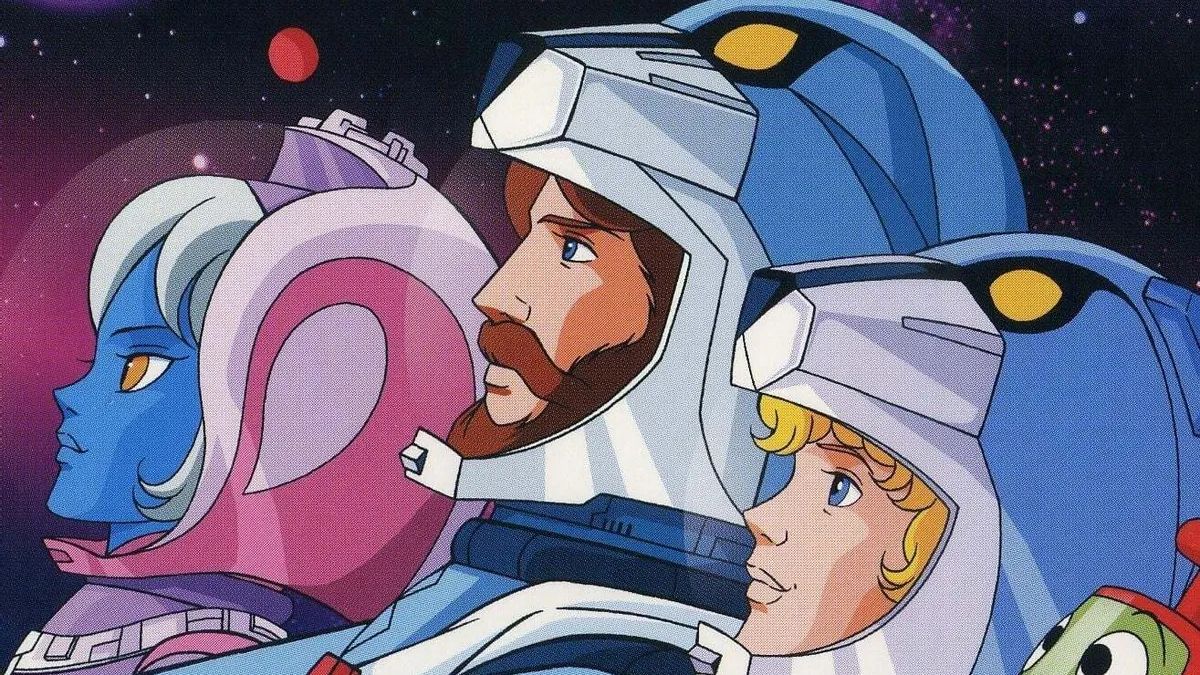
The creation of Ulysses 31 was a landmark collaboration between two animation powerhouses: DIC Audiovisuel from France and Tokyo Movie Shinsha (TMS Entertainment) from Japan. This model of co-production was increasingly common in the 1980s, allowing European studios to leverage Japan’s efficient and high-quality animation capabilities while providing Japanese studios with access to Western markets and creative concepts. The series was spearheaded by Jean Chalopin, the French co-founder of DIC, who envisioned a sci-fi adaptation of a classic literary work. Bernard Deyriès served as the director, bringing the narrative to life, while the legendary Japanese animators Shingo Araki and Michi Himeno, renowned for their work on Saint Seiya and Lady Oscar, were responsible for the distinctive character designs, imbuing the figures with a heroic, almost sculptural quality.
The concept was daring: take a narrative steeped in ancient Greek seas and gods, and project it into a future where deities wield cosmic power and mortals navigate vast interstellar distances in advanced spacecraft. The collaboration meant that French storyboarding and conceptualization were translated into Japanese animation, a process that, while sometimes leading to stylistic inconsistencies, largely resulted in a visually arresting and dynamically animated series. The 26-episode run, a standard length for many animated series of the era, provided ample opportunity to explore a diverse range of mythological encounters within its futuristic framework. Production commenced in the late 1970s, culminating in its initial broadcast in France in 1981, followed by releases in the United Kingdom and the United States in the mid-1980s, solidifying its international reach.
Plotting a Course Through the 31st Century: The Narrative Core
The core premise of Ulysses 31 would be immediately familiar to any student of Greek mythology, albeit with significant futuristic embellishments. The story begins after the destruction of the Starbase Troy, echoing the Trojan War. Our hero, Ulysses (opting for his Roman pseudonym rather than the original Greek Odysseus), is a courageous space commander piloting his mighty vessel, the Odyssey, on a journey home to Earth, where his wife, Penelope, awaits. His son, Telemachus, is a central figure in this adaptation, a stark departure from Homer’s narrative where Telemachus spends much of the epic separated from his father.
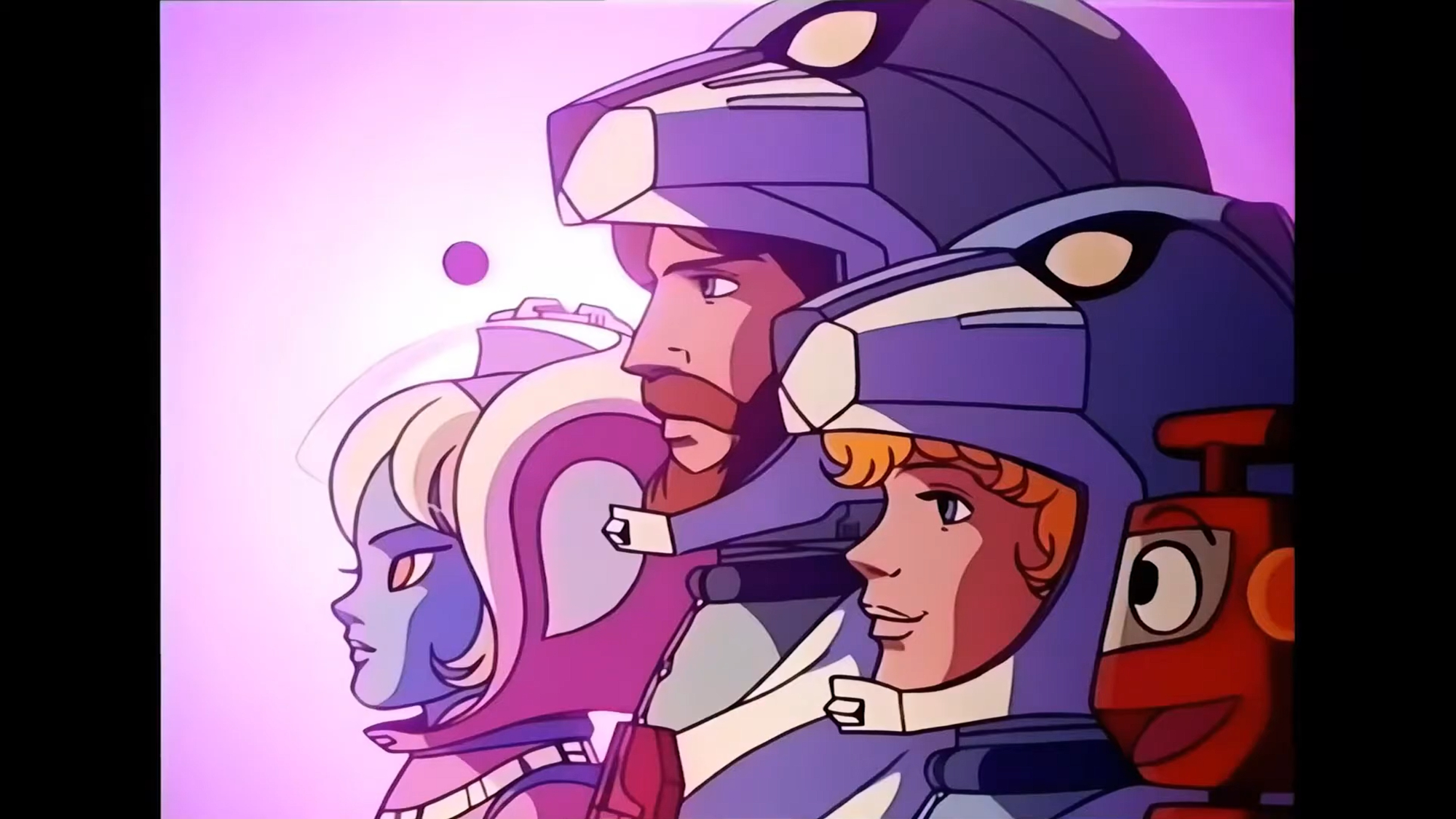
The inciting incident that sets Ulysses’ perilous journey in motion is the abduction of Telemachus, destined to be sacrificed to a monstrous, colossal robot Cyclops. True to his heroic nature, Ulysses swiftly intervenes, vanquishing the one-eyed mechanical menace and rescuing his son. In a notable divergence from the original myth, Ulysses also saves two blue-skinned alien children, Yumi and her brother Numinor, from the planet Zotra, who subsequently join his crew. This act of defiance, however, incurs the wrath of the omnipotent Greek gods, who, in this futuristic setting, have taken up residence among the stars, overseeing the cosmos with divine, often capricious, power.
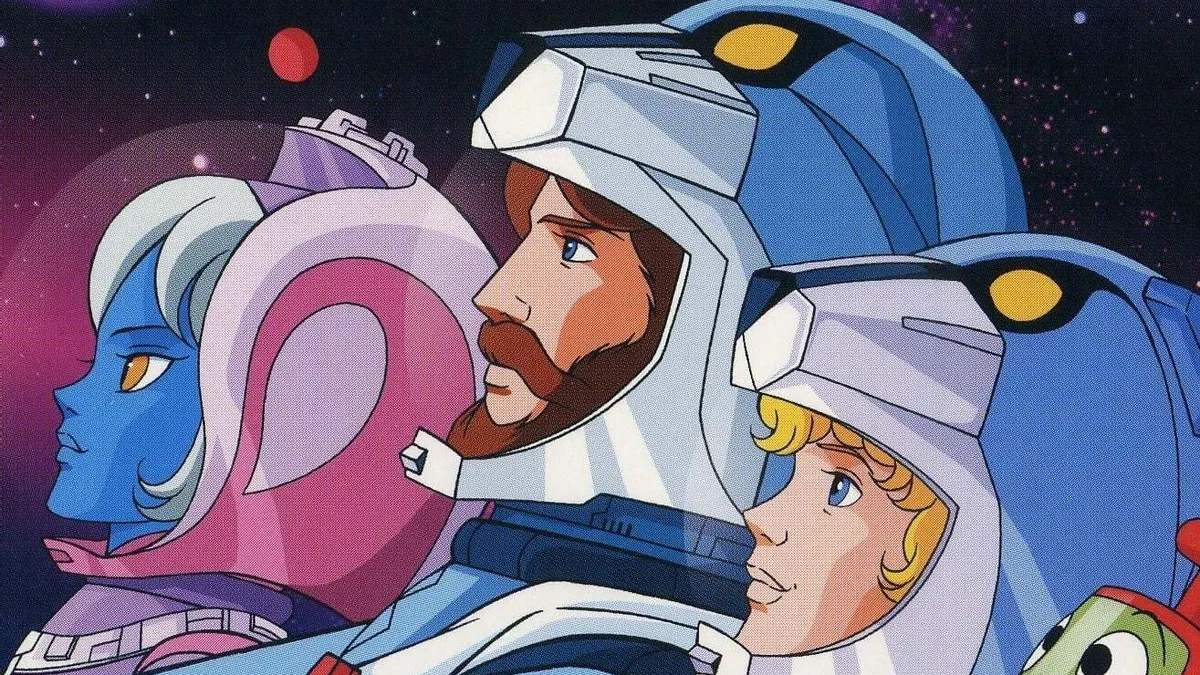
Poseidon, the sea god, enraged by the destruction of his Cyclops, appeals to his brother, Zeus, the king of Olympus. As divine retribution, Zeus condemns Ulysses to "travel among unknown stars," effectively purging the navigational databanks of the Odyssey. Furthermore, Ulysses’ entire crew, with the exception of Telemachus, Yumi, Numinor, and Telemachus’s small red robot companion Nono, is plunged into a state of perpetual suspended animation, their lifeless forms floating eerily in the ship’s hold. The only path to salvation, and the return home to Earth, lies in Ulysses finding the mysterious Kingdom of Hades, a journey that forms the central quest of the series and must be completed before the series’ 26-episode run concludes.
Bridging Antiquity and the Future: Mythology in Space
Ulysses 31 skillfully weaves elements of classical Greek mythology into its sci-fi framework, creating a unique educational and entertainment experience. Beyond the initial confrontation with the Cyclops, Ulysses and his companions encounter numerous figures and challenges directly inspired by Homer’s Odyssey. They face the enchanting, yet deadly, Sirens, whose hypnotic songs lure starships to their doom, and the insidious Lotus Eaters, who offer a drug-induced oblivion that makes one forget the desire to return home.
However, the series ventures beyond the confines of Homer’s specific narrative, incorporating other prominent figures from Greek mythology. Ulysses encounters Sisyphus, eternally condemned to roll a boulder up a hill, here reimagined with a cosmic, endlessly repetitive task. He also crosses paths with Orpheus, on his tragic journey to Hades to rescue his beloved Eurydice, adding a layer of pathos and classical tragedy to the unfolding space saga. Even the mythical three-headed dog Cerberus is reinvented as a formidable three-headed interceptor satellite, guarding the approach to a dangerous celestial realm.
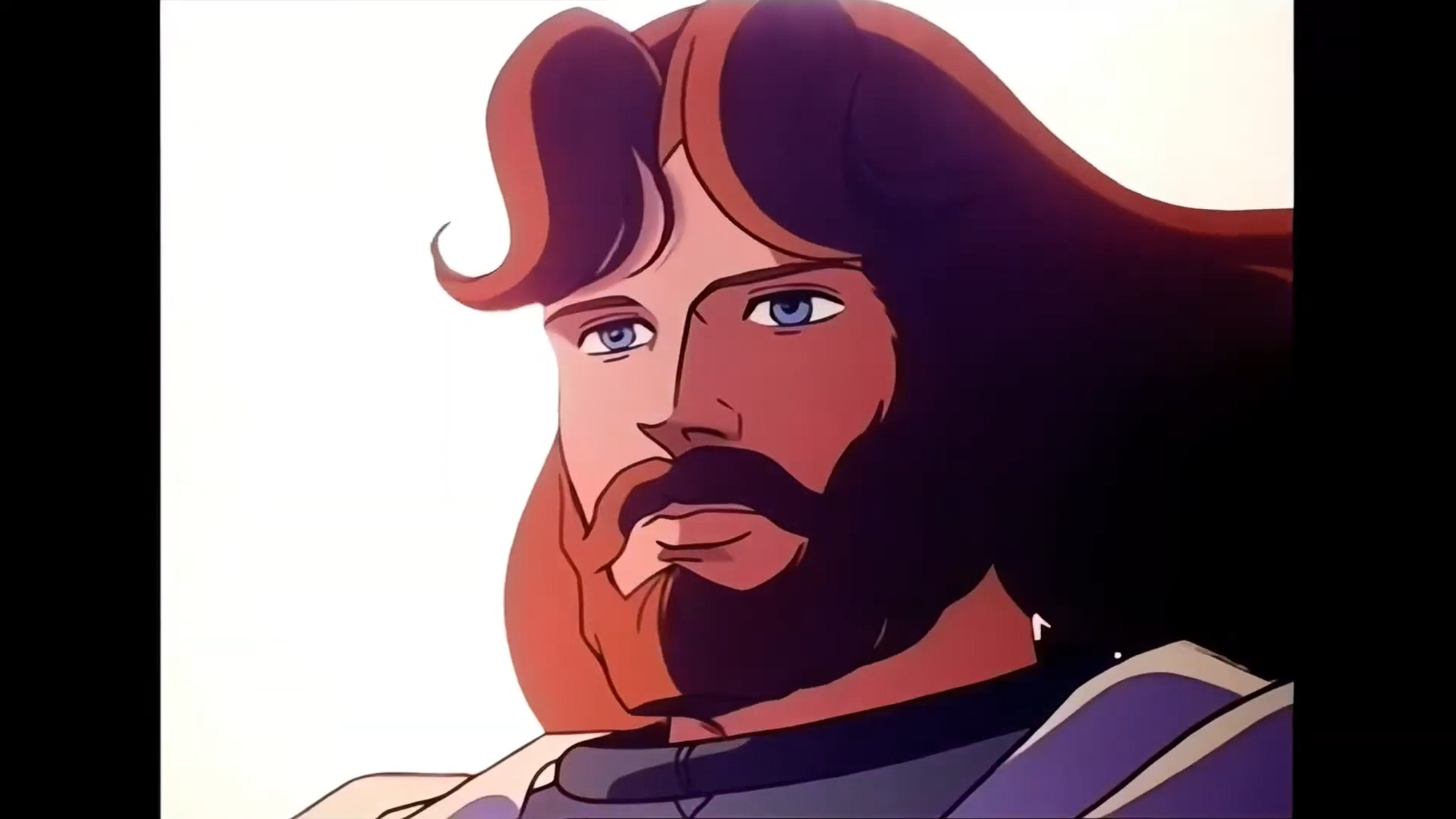
The creators also paid homage through character naming conventions. Priam, the commander of the Starbase Troy, shares his name with the last king of ancient Troy. Nestor, Ulysses’ second-in-command, echoes the wise advisor from Homer’s tales. Even Shirka, the ship’s advanced computer, draws her name from Circe, the powerful sorceress of Greek myth.
Despite these faithful inclusions, Ulysses 31 adopted a decidedly liberal approach to its source material. As noted, Telemachus’s constant presence alongside his father is a significant departure from Homer. The fate of Ulysses’ shipmates, suspended in animation rather than dying, transforms the narrative from one of loss and sacrifice to one of hope and eventual reunion. Furthermore, Ulysses in this adaptation is already aware of the Greek gods, even traveling back in time in one episode to meet his ancient namesake, suggesting a pre-existing cosmic history for these deities. The addition of alien characters like Yumi and Numinor, along with the omnipresent robot Nono, grounds the series firmly in its sci-fi setting, demonstrating a willingness to augment the classics with original, imaginative elements. This blend of fidelity and innovation was key to its success in captivating a young audience.
Aesthetic and Sonic Landscape: The Visual and Auditory Experience
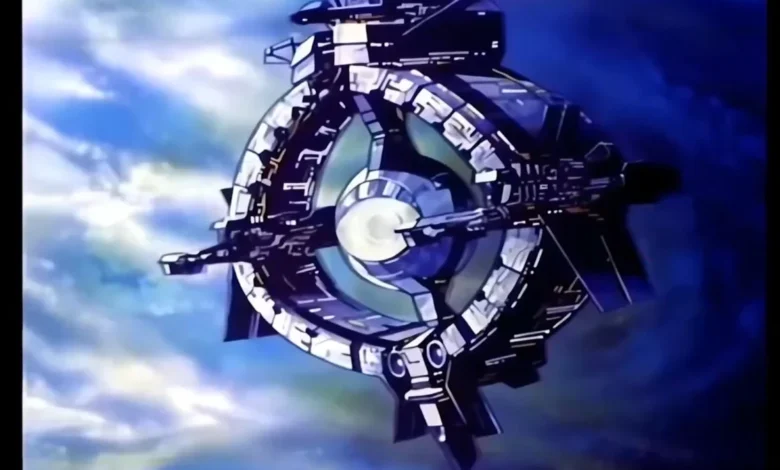
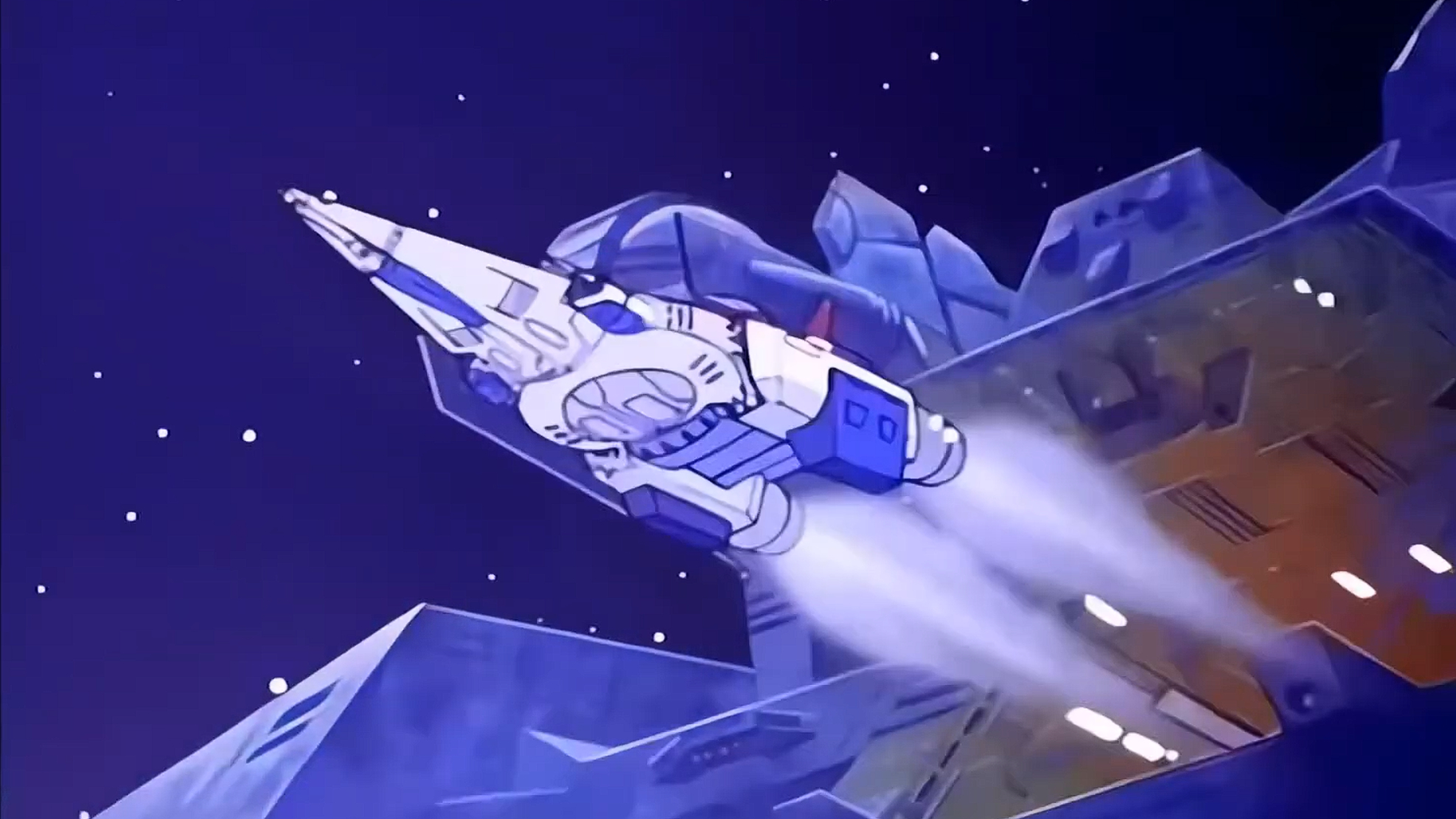
The visual aesthetic of Ulysses 31 was a defining characteristic, heavily influenced by the burgeoning Star Wars phenomenon of the late 1970s and early 1980s. Ulysses’s signature weapon, a combination gun and laser sword, bore a striking resemblance to a lightsaber, and many of the spaceship designs evoked the epic scale of George Lucas’s universe. The Odyssey itself, an iconic eye-shaped craft, became instantly recognizable. While some of the animation, particularly in wide shots of outer space, could appear rudimentary by modern standards (often resembling cut-out ships moving against static stellar backgrounds), the character animation, spearheaded by Araki and Himeno, was generally dynamic and expressive, especially during action sequences. The monsters and cosmic entities encountered were often imaginative and, at times, genuinely unsettling, contributing to the show’s memorable atmosphere.
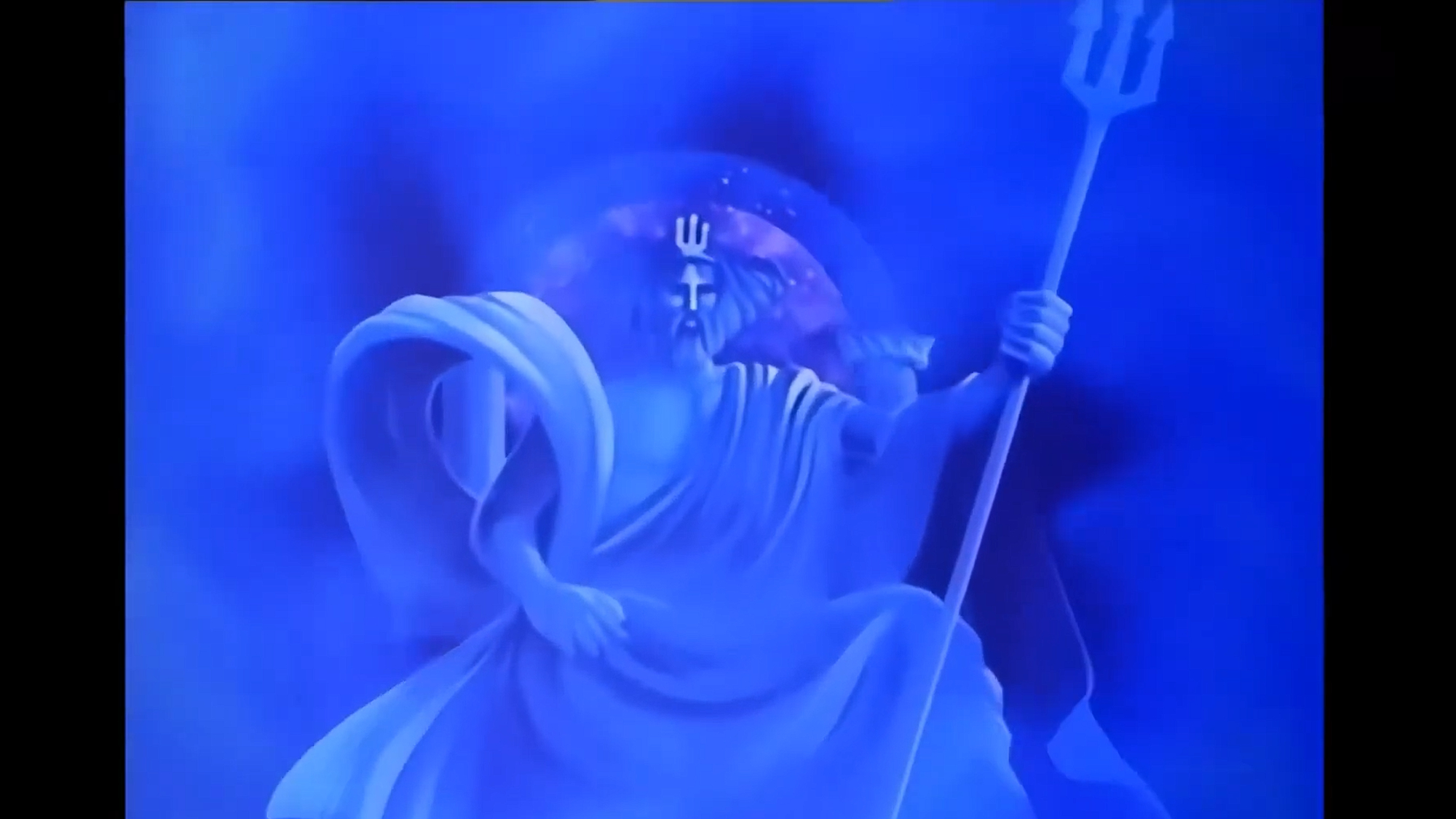
The tone of Ulysses 31 was notably darker and more mature than many children’s cartoons of its era. The existential dread of the crew’s suspended animation, their lifeless bodies hovering in the ship’s hold, was a recurring visual motif that left a lasting impression. The Greek gods were portrayed not as benevolent figures, but as powerful, often malevolent or indifferent beings who viewed humanity, and Ulysses’s struggles, as mere playthings for their twisted amusement. This thematic weight, coupled with the genuine stakes—the good guys were not always guaranteed to win—set it apart from the more saccharine or overtly moralistic cartoons of the 80s, presenting Ulysses as a single father guiding his children through an unforgiving cosmos.
While the dialogue, often characterized by characters shouting each other’s names ("Telemachus!" "Father!" "Yumi!"), might be considered a humorous anachronism today, it was part of the earnest, dramatic delivery that defined many cartoons of the period. The small red robot, Nono, though sometimes criticized as an "irritating" cute sidekick, fulfilled a common trope of the time, providing comic relief and often serving as a foil for the more serious characters.
However, where Ulysses 31 truly soared was its soundtrack, a major contributor to its enduring appeal. Composed by Denny Crockett and Ike Egan, with significant contributions from the legendary duo Shuki Levy and Haim Saban (known for their prolific work on other 80s cartoon themes like Masters of the Universe and Jayce and the Wheeled Warriors), the music was exceptional. The "Curse of the Gods" refrain, in particular, was loaded with menace and gravitas, perfectly encapsulating the show’s dark, epic themes. And then, there was that theme song. The iconic opening theme, with its powerful vocals and memorable melody ("Ulysee-ee-ee-ee-ees"), became an instant earworm, cementing the show’s place in the collective consciousness of a generation. Its infectious quality ensured that the name "Ulysses" would forever be linked with this futuristic saga for many viewers, a testament to the power of a truly great musical score in animation.
Reception and Cultural Impact: A Lasting Legacy
Upon its initial broadcast, Ulysses 31 garnered significant attention in France and Japan, and later in English-speaking territories. Its blend of high-concept science fiction with classical literature was a novel approach, and it successfully captivated a demographic hungry for imaginative storytelling. For many children of the 1980s, Ulysses 31 served as their first, albeit heavily stylized, introduction to Greek mythology, sparking an interest in the ancient world that might otherwise have remained dormant. It demonstrated that classical tales possessed an inherent timelessness that could transcend cultural and technological barriers.
The series occupies a unique niche in the pantheon of 1980s sci-fi cartoons. Unlike many shows primarily designed to sell toys, Ulysses 31 was driven by a strong narrative and a desire to adapt a literary masterpiece. Its thematic depth, exploring themes of fate, free will, divine intervention, and the arduous journey home, elevated it beyond mere children’s entertainment. It implicitly challenged its young audience to consider complex philosophical questions, framed within thrilling space adventures.
Its influence, while perhaps not as overt as some other animated giants, can be seen in the broader trend of adapting classical narratives for modern audiences. Years before the Coen brothers famously transplanted The Odyssey to the American Deep South in O Brother, Where Art Thou?, and long before Christopher Nolan’s cinematic endeavors explored complex narrative structures, Ulysses 31 proved the viability and appeal of such reinterpretations. While it’s speculative to suggest a direct influence on filmmakers like Nolan, the series certainly contributed to a cultural milieu where classical stories were understood to be ripe for fresh, bold reimaginings.
Today, Ulysses 31 enjoys the status of a beloved cult classic. Its enduring popularity is largely fueled by nostalgia among those who grew up watching it, but also by an appreciation for its audacious concept and memorable execution. Despite its aging animation in certain aspects, its strong storytelling, iconic character designs, and unforgettable soundtrack continue to draw new viewers through online platforms. While it may not be readily available on major streaming services, fan uploads on platforms like YouTube ensure that this unique interstellar odyssey remains accessible, allowing new generations to experience Ulysses’s trials and tribulations among the stars.
Conclusion: More Than Just a Cartoon
Ulysses 31 stands as a testament to the power of imaginative adaptation and cross-cultural collaboration in animation. It defied expectations by marrying the grandeur of Homeric epic with the dynamism of 1980s sci-fi, delivering a narrative that was both educational and thrilling. It transcended the typical Saturday morning cartoon fare, offering a sophisticated blend of adventure, mythology, and existential themes, all underscored by one of the most memorable theme songs in animation history.
Over four decades after its debut, the series remains a significant touchstone for those who remember its cosmic voyages and divine curses. Its ability to make ancient myths relevant and exciting for a new era underscores the timeless appeal of stories that explore humanity’s journey, struggles, and enduring quest for home. Ulysses 31 is more than just an animated series; it is a vibrant, enduring chapter in the ongoing saga of classical tales finding new life in unexpected forms.