Meta Skirts Trial as Teen Plaintiff Withdraws Social Media Addiction Lawsuit, Highlighting Complex Legal Landscape

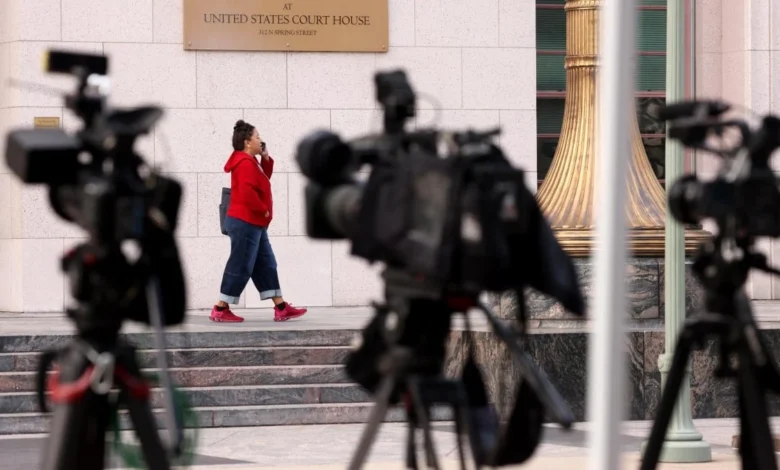
Los Angeles, California – Meta Platforms Inc. has once again avoided a potentially high-stakes jury trial concerning allegations that its social media platforms contribute to a youth mental health crisis. The company was poised to face trial in the Superior Court of California for the County of Los Angeles next week, but the 15-year-old plaintiff, identified only by his initials R.K.C., has abruptly withdrawn his claims against the tech giant. This development marks a significant turn in a case that had initially targeted multiple prominent social media companies, underscoring the intricate legal and strategic challenges inherent in these novel lawsuits.
A Sudden Withdrawal Before Trial
The withdrawal of R.K.C.’s lawsuit against Meta was confirmed by his legal representatives, who cited a combination of factors. In a statement released following the decision, R.K.C.’s attorneys explained, "In light of the overall successful result of the litigation and his concerns about enduring a grueling weeks-long trial, he has elected to withdraw his claims against Meta. He’s ready to close this chapter and focus on his recovery and engage in therapy as he aspires to have a normal life." This statement suggests a strategic decision by the plaintiff, prioritizing personal well-being and the outcomes already secured over the rigors of a protracted courtroom battle against one of the world’s largest corporations.
The lawsuit, initially filed by R.K.C., alleged that he had developed an addiction to social media over a period of seven years, directly linking his struggles with anxiety and depression to extensive time spent online. Beyond Meta’s platforms, the original complaint had also named Snapchat, TikTok, and YouTube as defendants. However, these other companies had previously reached confidential settlement agreements with R.K.C. prior to the scheduled jury trial, effectively narrowing the focus of the impending legal confrontation solely to Meta. The timing of R.K.C.’s withdrawal, coming "days after settling with other social media companies," as noted by Meta, suggests that the plaintiff’s objectives regarding compensation and acknowledgment of harm may have been largely met through these prior agreements.
Meta’s Consistent Defense and Stance
Meta, for its part, swiftly responded to the news with a statement reinforcing its long-held position regarding such claims. A spokesperson for the company asserted, "The claims never held up, and this outcome makes clear that we will not back away from defending ourselves against baseless lawsuits." The company highlighted that R.K.C. had dropped his case "without receiving any payment" from Meta, a detail it presented as further evidence of the alleged lack of merit in the claims specifically pertaining to its platforms.
Throughout the pre-trial proceedings, Meta had consistently argued that the facts of the case could not substantiate a direct causal link between its platforms and R.K.C.’s reported mental health struggles. In a Motion for Summary Judgment, Meta had previously pointed out that R.K.C. had not spent significant amounts of time on its flagship platforms, such as Facebook and Instagram, compared to other social media services. Furthermore, the company stated that it could not verify a long-standing account history for R.K.C. on Meta platforms, challenging the premise of sustained exposure and alleged addiction. This defense strategy underscores Meta’s intent to vigorously contest claims that attribute complex mental health issues solely or primarily to the use of its products.
A Broader Legal Battlefield: The "Addiction-by-Design" Argument
The R.K.C. case is just one skirmish in a much larger and rapidly expanding legal battle confronting social media companies. A growing wave of lawsuits, initiated by teens, parents, school districts, and even state attorneys general across the United States, alleges that these platforms are designed with intentionally addictive features that exploit adolescent psychology, leading to significant mental and physical harm. These legal challenges often center on the concept of "addiction by design," contending that features like infinite scroll, incessant notifications, algorithmically curated feeds, and public "like" counts are engineered to maximize engagement and screen time, often at the expense of user well-being.
The March verdict against Meta and YouTube in a separate case serves as a critical backdrop to R.K.C.’s withdrawal. In that landmark decision, a jury ordered the two companies to pay $6 million to another teen plaintiff who accused multiple social media entities of knowingly investing in design features intended to "hook" users, despite being aware of their potential for harm. The jury found both Meta and YouTube liable for mental health-related harms caused by negligent design features and "social media addiction." This was a pivotal moment, marking the first instance a U.S. jury held social media companies directly responsible for the psychological effects of their platforms on young users. Meta has since announced its intention to appeal that decision, signaling its unwavering commitment to challenging adverse rulings in this emerging area of litigation.
Following the March verdict, a Meta spokesperson reiterated the company’s position, stating, "Teen mental health is profoundly complex and cannot be linked to a single app. We will continue to defend ourselves vigorously as every case is different, and we remain confident in our record of protecting teens online." This statement encapsulates the industry’s primary defense: that mental health issues are multi-faceted, and social media is merely one of many contributing factors, rather than a sole cause.
The Context of Youth Mental Health and Social Media Use
The legal onslaught against social media companies coincides with alarming trends in youth mental health. Data from organizations like the Centers for Disease Control and Prevention (CDC) and the World Health Organization (WHO) indicate a significant rise in rates of anxiety, depression, and self-harm among adolescents over the past decade. For instance, the CDC’s 2021 Youth Risk Behavior Survey reported that 42% of high school students felt persistently sad or hopeless, a substantial increase from previous years. While the exact causal relationship remains a subject of ongoing scientific inquiry and debate, many researchers, clinicians, and public health officials have identified excessive social media use as a potential exacerbating factor.
A 2023 advisory from the U.S. Surgeon General, Dr. Vivek Murthy, highlighted the profound concerns regarding social media’s impact on youth mental health, calling for urgent action from policymakers, tech companies, and parents. The advisory noted that while social media offers some benefits, there is a "growing body of evidence that social media use is associated with harm to young people’s mental health." Specific concerns include exposure to cyberbullying, body image issues fueled by curated content, disrupted sleep patterns due to late-night scrolling, and the addictive nature of platform design. Research from institutions like the Pew Research Center consistently shows that a significant majority of teenagers (around 95%) use social media, with many reporting near-constant online presence. A substantial percentage of these teens also express concerns about the impact of social media on their mental well-being, even as they continue to engage with it.
Legal Strategies and Implications for Future Litigation
The withdrawal of R.K.C.’s case against Meta, particularly without a direct payment from the company, provides a nuanced perspective on the ongoing litigation. For Meta, it represents a tactical victory, allowing them to avoid a potentially damaging public trial and reinforce their narrative that many claims against them are unsubstantiated. This outcome might embolden Meta to continue fighting similar lawsuits rather than pursuing settlements, especially when they perceive the evidence linking their specific platforms to individual harm as weak.
Conversely, for plaintiffs’ attorneys and advocates for child safety online, the situation highlights the formidable challenges of taking on tech behemoths. Trials are incredibly resource-intensive, lengthy, and emotionally draining for plaintiffs, particularly minors. The decision by R.K.C. to withdraw, driven by a desire to focus on recovery and avoid a "grueling weeks-long trial," underscores the personal toll these legal battles exact. The settlements secured with Snapchat, TikTok, and YouTube, even if confidential, represent a significant achievement for the plaintiff, demonstrating that legal pressure can indeed compel companies to provide compensation. These settlements might also serve as precedents, encouraging other plaintiffs to pursue similar claims and potentially leading more companies to settle rather than risk a jury verdict.
Legal experts suggest that the outcome of R.K.C.’s case against Meta does not diminish the overall momentum of the broader social media litigation. The March verdict, where a jury explicitly found Meta and YouTube liable for negligent design, remains a powerful precedent. This distinction—a jury finding versus a plaintiff withdrawal—is crucial. While Meta successfully defended against a specific individual’s claims in this instance, the legal principle that social media companies can be held accountable for the design choices of their platforms and their impact on youth mental health has been established in at least one other significant case.
The Path Forward: Regulation, Responsibility, and Recovery
The ongoing legal battles are part of a larger societal reckoning with the pervasive influence of social media. Beyond the courtroom, there is increasing pressure from policymakers for greater regulation. States like Utah and Arkansas have already passed laws requiring parental consent for minors to use social media, while federal legislative efforts are also gaining traction, aiming to implement age verification, restrict addictive features for minors, and enhance data privacy protections. The industry, while largely resisting strict regulation, has also responded by introducing new tools and features aimed at promoting user well-being, such as parental controls, time management tools, and resources for mental health support. However, critics often view these measures as insufficient, arguing they do not address the fundamental design choices that allegedly drive problematic usage.
The case of R.K.C., despite its withdrawal against Meta, serves as a poignant reminder of the personal struggles faced by young people navigating the digital landscape. His stated desire to "close this chapter and focus on his recovery and engage in therapy as he aspires to have a normal life" encapsulates the human element at the heart of these complex legal and ethical debates. As the legal landscape continues to evolve, the outcomes of these cases will undoubtedly shape not only the future of social media platforms but also the broader understanding of corporate responsibility in the digital age and the imperative to safeguard the mental well-being of the next generation. The industry faces an undeniable challenge to balance innovation and engagement with the paramount need to protect its most vulnerable users.