EIB Global and World Health Organization Commit €10 Million to Revitalize Lebanon Healthcare Infrastructure and Chronic Disease Support

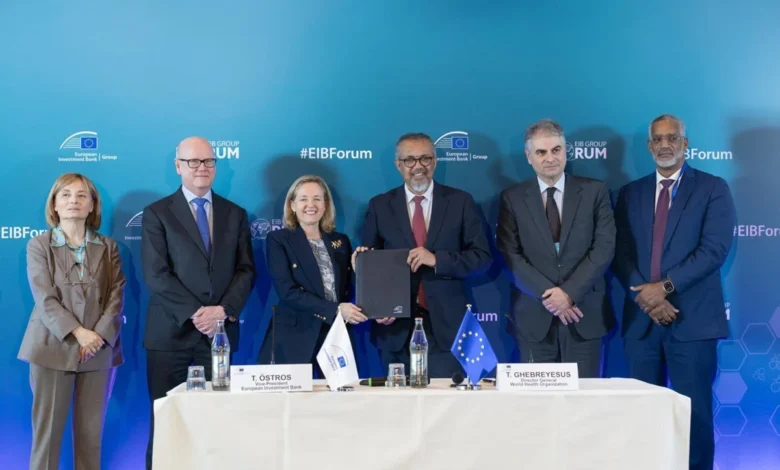
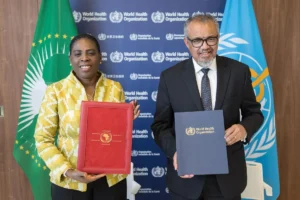
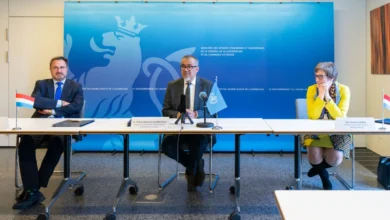
The landscape of public healthcare in Lebanon received a vital injection of international support on 6 March 2025, when the World Health Organization (WHO) and the European Investment Bank (EIB Global) formally sealed a €10 million grant agreement. The strategic partnership was inked at the prominent EIB Group Forum held in Luxembourg, bringing together high-level international stakeholders to address acute humanitarian and developmental challenges. Representing their respective institutions, WHO Director-General Dr. Tedros Adhanom Ghebreyesus and EIB Global Vice-President Thomas Östros finalized the accord, which is specifically designed to overhaul critical health infrastructure and secure uninterrupted access to life-saving medications for vulnerable populations across the Mediterranean nation.
This financial commitment arrives at a crucial juncture for Lebanon, a country that has been grappling with a compounding series of socioeconomic shocks, institutional pressures, and infrastructural decays over recent years. By focusing on the reactivation of the Central Public Health Laboratory and directly targeting chronic disease management for more than 50,000 individuals suffering from severe conditions such as diabetes, cardiovascular complications, and cancer, the initiative addresses both the systemic and immediate facets of Lebanon’s healthcare crisis. As international donors continue to navigate complex geopolitical and economic landscapes in the Middle East, this targeted intervention represents a calculated effort to build long-term institutional resilience while providing immediate, tangible relief to patients whose survival depends on continuous pharmacological care.
Main Facts of the Agreement
The core components of the €10 million grant agreement center around two primary pillars: infrastructural reconstruction and direct patient support. The first major objective is the complete rehabilitation and re-establishment of Lebanon’s Central Public Health Laboratory. This facility historically served as the backbone of the nation’s epidemiological surveillance, disease detection, food safety assurance, and quality control of pharmaceutical products. Its degradation and functional paralysis during the domestic economic collapse severely hampered the state’s capacity to monitor public health threats, conduct reliable diagnostic testing, and enforce health standards. Restoring this laboratory is viewed by international health experts as an indispensable prerequisite for national health security.
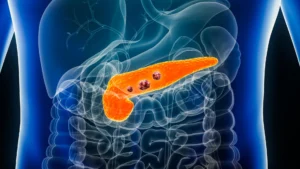
The second critical pillar of the initiative addresses the dire shortage of medicines for non-communicable diseases (NCDs). Under the terms of the agreement, the funding will prioritize the procurement and distribution of essential treatments for over 50,000 people living with chronic illnesses. In a healthcare ecosystem where hyperinflation and currency devaluation have placed specialized drugs beyond the financial reach of the average citizen, this targeted support acts as a lifeline. Conditions like cardiovascular disease, diabetes, and various forms of cancer require strict, uninterrupted medication regimens; any interruption in supply chains frequently results in preventable hospitalizations, catastrophic out-of-pocket expenditures, or premature mortality. By absorbing these costs and securing supply lines, the EIB Global and WHO intervention aims to stabilize a severely fractured clinical safety net.
Background Context and the Multi-Dimensional Crisis in Lebanon
To fully understand the gravity and necessity of the March 2025 agreement, one must examine the multifaceted crisis that has besieged Lebanon since late 2019. The nation has experienced one of the most severe economic depressions globally in modern history, characterized by the collapse of its banking sector, the unprecedented depreciation of the Lebanese pound, and the near-total evaporation of foreign currency reserves. These macroeconomic shocks severely undermined the public sector’s ability to finance imports, leading to crippling shortages of fuel, electricity, and, most critically, pharmaceuticals and medical supplies.
Compounding these economic pressures was the devastating August 2020 explosion at the Port of Beirut, which destroyed or severely damaged numerous healthcare facilities, including major hospitals and central medical warehouses. Furthermore, the protracted displacement of Syrian refugees within Lebanon—hosting the highest per capita number of refugees globally—placed an unsustainable burden on public health infrastructure, primary healthcare centers, and medical personnel. Thousands of doctors, nurses, and specialists emigrated in search of better working conditions and security abroad, resulting in a profound "brain drain" that stripped the health sector of its most valuable asset: human capital.
Prior to this EIB Global and WHO partnership, international humanitarian organizations, United Nations agencies, and bilateral donors had relied heavily on emergency stop-gap measures. While these emergency interventions successfully prevented a total systemic collapse, they lacked the structural permanence required for sustainable recovery. The decision by EIB Global—the arm of the European Investment Bank dedicated to operations outside the European Union—to partner with the WHO signals a strategic transition from purely humanitarian relief to developmental resilience, bridging the gap between emergency response and long-term institutional rebuilding.
Chronology of Key Milestones Leading to the Agreement
The pathway toward the March 2025 grant agreement has been marked by escalating health sector vulnerabilities and progressively deeper institutional collaborations between European financial institutions and global health agencies.
Late 2019 to 2020: The onset of the financial crisis in Lebanon triggers widespread currency devaluation. Subsidies on essential goods, including medications, become increasingly unsustainable, leading to chronic drug shortages across public and private pharmacies. The Port of Beirut explosion in August 2020 exacerbates the crisis by damaging critical medical infrastructure.
2021 to 2022: As foreign reserves dwindle, the Lebanese central bank phases out medicine subsidies. Out-of-pocket healthcare costs skyrocket, pushing a vast majority of the population below the poverty line and severely limiting access to chronic disease treatments. WHO steps up emergency procurement efforts while calling for structural reforms.
2023: International financial institutions, including the European Investment Bank, begin conducting comprehensive assessments of public infrastructure in Lebanon to identify high-impact investment areas. Discussions initiate between the WHO and European partners regarding the viability of revitalizing national public health reference laboratories.
2024: Preparatory frameworks are established to design a comprehensive public health support package. Stakeholders emphasize the need to combine infrastructure restoration with direct pharmaceutical support for non-communicable disease patients to maximize the socioeconomic impact of potential grants.
6 March 2025: At the EIB Group Forum in Luxembourg, WHO Director-General Dr. Tedros Adhanom Ghebreyesus and EIB Global Vice-President Thomas Östros formally sign the €10 million grant agreement, cementing a multi-year strategy to rebuild Lebanon’s Central Public Health Laboratory and secure chronic disease care.
Supporting Data and Healthcare Indicators in Lebanon
The urgency of the EIB Global and WHO initiative is underscored by extensive data compiled by international health monitors, non-governmental organizations, and United Nations bodies regarding the state of healthcare in Lebanon. Before the crisis, Lebanon boasted a regionally renowned healthcare system characterized by advanced private clinics and a functioning public health apparatus. However, the subsequent years witnessed a dramatic reversal of these health indicators.
According to WHO and World Bank assessments, public health expenditure plummeted as a percentage of gross domestic product, while out-of-pocket spending by households rose to constitute the vast majority of total health expenditures. This dynamic created a cruel paradox: individuals suffering from chronic illnesses such as diabetes and cardiovascular diseases—which account for the majority of mortality in Lebanon—were forced to choose between purchasing food and acquiring life-sustaining medications.
Data concerning the Central Public Health Laboratory reveal an equally concerning narrative. Prior to its operational degradation, the laboratory processed tens of thousands of samples annually, serving as the ultimate arbiter for infectious disease outbreaks, water quality testing, and pharmaceutical safety compliance. Without a functioning national reference laboratory, health authorities faced significant blind spots in epidemiological surveillance, leaving the population vulnerable to both endemic diseases and potential external health emergencies. The targeted infusion of €10 million aims to procure modern diagnostic equipment, upgrade biosafety standards, and train local technical personnel to international accreditation levels, thereby restoring empirical data collection capabilities to the national health ministry.
Official Responses and Institutional Perspectives
While the formal announcement was delivered jointly by Dr. Tedros Adhanom Ghebreyesus and Thomas Östros, the broader diplomatic and humanitarian communities have offered overwhelmingly positive receptions to the partnership.
From the perspective of the European Investment Bank, the grant aligns seamlessly with its strategic mandate to foster sustainable development, climate resilience, and human capital development in partner countries neighboring the European Union. EIB Global, which specializes in maximizing the impact of European public finance outside the EU borders, views the investment in Lebanon not merely as a charitable donation, but as a stabilizing geopolitical and humanitarian measure. By ensuring that vulnerable populations retain access to healthcare and that basic public infrastructure functions, the bank helps mitigate the drivers of forced displacement and social unrest.
The World Health Organization has consistently emphasized that health is a foundational pillar of human security and economic recovery. Dr. Tedros Adhanom Ghebreyesus has frequently noted that recovery in crisis-affected nations is impossible without robust health systems capable of protecting populations from preventable diseases. The collaboration with EIB Global exemplifies the WHO’s ongoing strategy to mobilize non-traditional development financing partners—such as international financial institutions and regional development banks—to bridge the funding gaps traditionally faced by the global health sector.
Domestically, Lebanese health authorities and civil society organizations have welcomed the financial backing, viewing it as a vital validation of local resilience. Representatives of patient advocacy groups, particularly those representing cancer sufferers and individuals with chronic cardiovascular ailments, have highlighted the immediate psychological and physical relief that secure medication procurement brings to families who have spent years living in a state of medical insecurity.
Broader Impact and Strategic Implications
The €10 million agreement between EIB Global and the WHO carries profound implications that extend well beyond the immediate target demographic of 50,000 chronic disease patients and the physical walls of the Central Public Health Laboratory. Analysts point to several systemic outcomes that this initiative is poised to trigger:
Restoration of Institutional Trust: By investing directly in national public infrastructure—specifically a state reference laboratory rather than temporary parallel systems—the project reinforces state capacity. Rebuilding public institutions is widely recognized by political scientists and economists as a necessary prerequisite for long-term governance reform and public trust in Lebanon.
Mitigation of Secondary Health Crises: Chronic diseases, if left unmanaged, frequently lead to acute medical emergencies that overwhelm hospital emergency rooms and consume scarce intensive care resources. By maintaining continuous treatment for 50,000 vulnerable individuals, the initiative indirectly relieves pressure on the entire Lebanese hospital network, freeing up capacity for other critical medical needs.
Blueprint for Future Donor Cooperation: The partnership serves as a functional model for how global health normative agencies (like the WHO) and international financial institutions (like the EIB) can pool their respective strengths—technical expertise and rigorous public health governance combined with large-scale financial deployment and project management infrastructure. This synergy could pave the way for similar multi-sectoral interventions in other fragile or post-crisis states globally.
Enhancing Epidemiological Security: In an interconnected world post-COVID-19, regional health security is a global public good. A functioning national public health laboratory in Lebanon ensures that international health networks receive timely, accurate data regarding potential disease outbreaks originating in or passing through the Levant region, thereby protecting global health security chains.
Conclusion
The formalization of the €10 million grant agreement on 6 March 2025 marks a pivotal turning point in the trajectory of Lebanon’s public health sector. Through the collaborative leadership of WHO Director-General Dr. Tedros Adhanom Ghebreyesus and EIB Global Vice-President Thomas Östros, this initiative successfully bridges the gap between acute humanitarian necessity and sustainable structural development. By concurrently rebuilding the nation’s Central Public Health Laboratory and securing uninterrupted pharmacological supplies for over 50,000 patients battling chronic diseases, the partnership offers a comprehensive response to years of systemic degradation. As implementation unfolds in the coming months, the success of this project will serve as a crucial benchmark for international solidarity, demonstrating that targeted investments in public health infrastructure and human capital can lay the foundational stones for national recovery and resilience in the face of profound adversity.