European Commission Proposes Strategic Overhaul of EU Carbon Market to Balance Industrial Competitiveness and 2040 Climate Targets

The European Commission has formally introduced a comprehensive proposal to reform the European Union’s Emissions Trading System (ETS), signaling a pivot toward a more gradual decarbonization pathway for heavy industry from 2031 onwards. Presented on July 17, the reform package aims to align the world’s most established carbon market with the bloc’s ambitious 2040 climate target—a 90% reduction in greenhouse gas emissions—while simultaneously addressing intensifying concerns regarding industrial competitiveness and "carbon leakage." By extending free pollution permits and slowing the annual reduction of the emissions cap, the Commission seeks to provide a "business-friendly" transition, though the plan has already sparked significant debate among environmental analysts and member states.
The Foundation of the EU Emissions Trading System
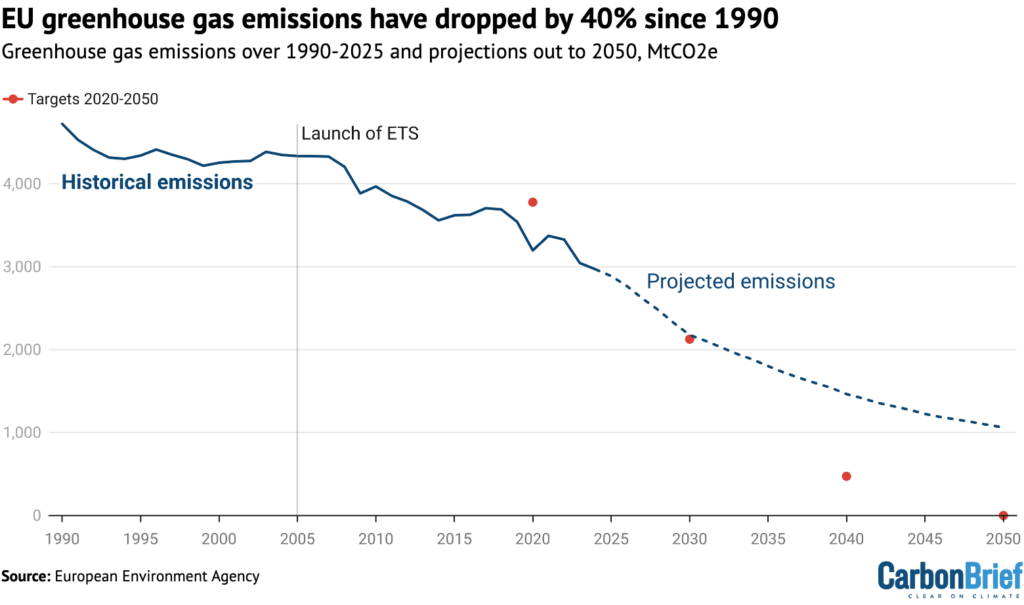
The EU ETS serves as the cornerstone of the European Union’s climate policy, operating on a "cap and trade" principle that currently covers approximately 40% of the bloc’s total greenhouse gas emissions. Since its inception in 2005, the system has been instrumental in driving down emissions across power generation, heavy industry, and intra-European aviation. According to Commission data, emissions within these sectors have halved over the last two decades, with the power sector accounting for roughly three-quarters of that decline.
Under the current system, a cap is placed on the total amount of greenhouse gases that can be emitted by installations covered by the system. This cap is reduced annually, theoretically driving the market toward zero emissions. Companies must hold "allowances" for every tonne of CO2 they emit, which they can either receive for free or purchase at auction. In 2025 alone, the EU generated approximately €43 billion in revenue from these auctions. The proposal released in July represents the most significant structural adjustment to this mechanism since the "Fit for 55" package, reflecting the new geopolitical and economic realities facing the European continent.
Chronology of the Reform and Political Pressure
The impetus for the current review stems from a growing rift between EU member states regarding the speed of the green transition. In early 2024, the political climate began to shift as energy prices remained volatile following the Russian invasion of Ukraine and global competition from the U.S. and China intensified.
In March 2026, a coalition of ten countries, including Italy, Hungary, and Poland, addressed a letter to the Commission describing the existing ETS trajectory as an "existential risk" to European industry. Italy went as far as to suggest a total suspension of the system to prevent industrial collapse. Conversely, nations such as Spain and the Netherlands urged the Commission to resist "gutting" the policy, arguing that regulatory stability is the most effective stimulus for long-term green investment. The July 17 proposal is the Commission’s attempt to navigate these polarized demands, offering concessions to industry while maintaining the legal architecture of the 2040 climate goals.

Key Structural Changes: Extending Free Allowances
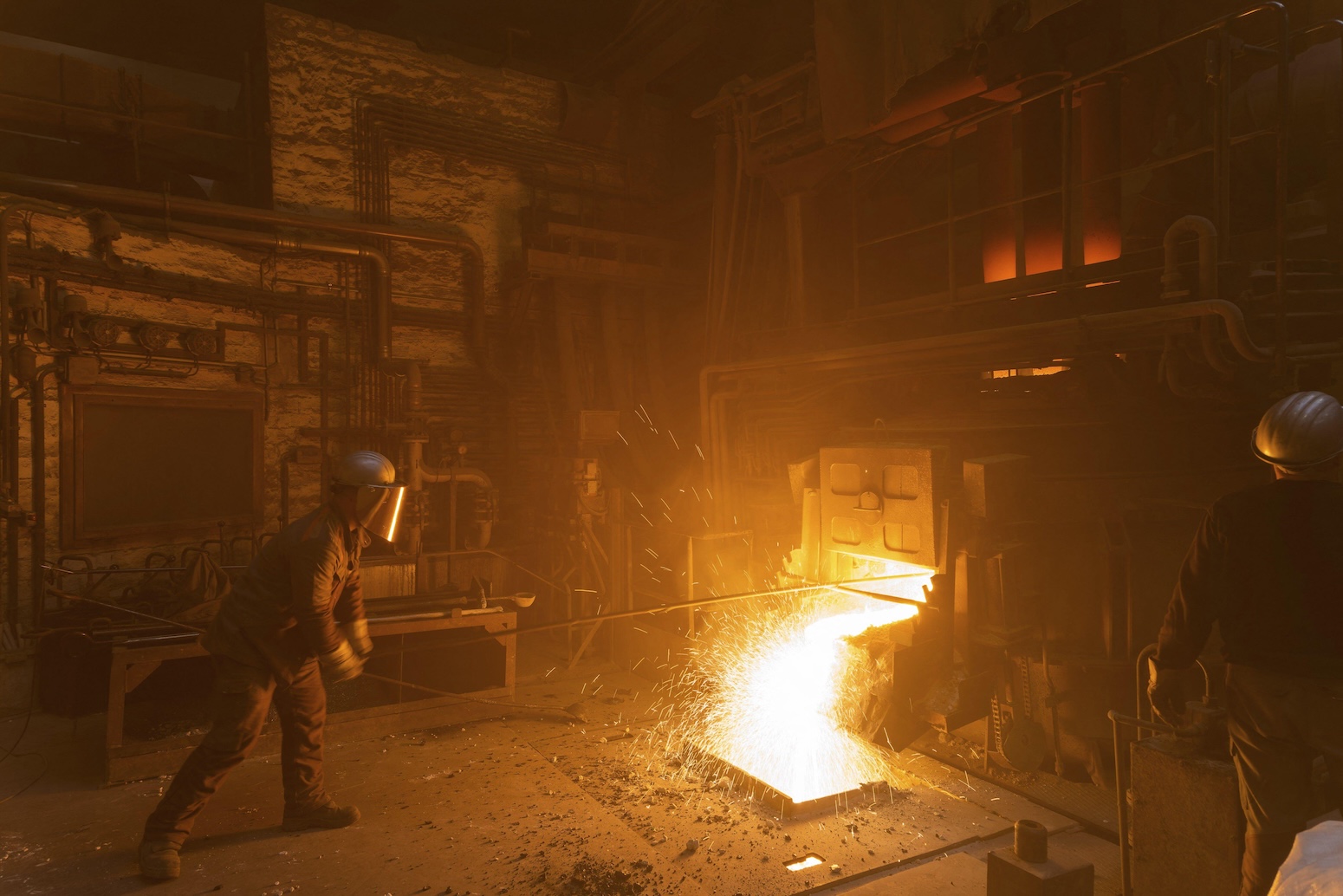
One of the most consequential elements of the new proposal is the extension of free emission allowances. Previously, these allocations—designed to prevent "carbon leakage," where companies move production to countries with laxer environmental rules—were scheduled to be phased out entirely by 2034.
The Commission now proposes extending this deadline to 2038, albeit with strict new conditionalities. From 2031, 80% of a company’s free allowances will be contingent upon the submission of a verified climate investment plan detailing how the firm intends to decarbonize its EU-based operations. The remaining 20% will only be granted if the company can prove it has met its interim reduction milestones. This "investment-for-allowances" swap is intended to ensure that the relief provided to industry directly translates into technological transformation rather than merely subsidizing status-quo operations.
Furthermore, the proposal interacts with the Carbon Border Adjustment Mechanism (CBAM). While CBAM was designed to replace free allowances by taxing carbon-intensive imports, the Commission suggests reintroducing 15% of the allowances previously slated for removal starting in 2028. This move is intended to mitigate the remaining risks of industrial flight during the early years of CBAM implementation.
A Slower Path to Zero: Adjusting the Linear Reduction Factor
The Commission has also proposed a significant adjustment to the Linear Reduction Factor (LRF)—the rate at which the total cap on emissions shrinks each year. Under existing rules, the cap was set to reach zero by 2039. The new proposal suggests a "more realistic" descent.
While the cap will drop by 4.3% to 4.4% annually through 2030, the Commission recommends slowing this to 3.7% per year between 2031 and 2035, and further reducing the decline to just 1.7% annually from 2036 to 2040. This shift effectively pushes the date for a zero-emission cap into the 2040s. EU Climate Commissioner Wopke Hoekstra defended this move, stating it makes the path "more gradual and aligned with domestic climate ambition levels." However, analysts from WWF and other organizations estimate that this slower reduction will result in an additional 2 billion to 2.4 billion tonnes of CO2 being emitted into the atmosphere compared to the previous trajectory.
Expanding the Scope: Aviation, Maritime, and Waste
To compensate for the slower reduction in industrial caps, the Commission is looking to expand the ETS into new areas.
- Aviation: The proposal seeks to include all flights departing from the European Economic Area (EEA) and landing within a 5,000km radius. This would bring more international travel into the carbon pricing net without immediately triggering trade disputes with the U.S. or China. Additionally, private jets and "business flights" will no longer be exempt, addressing long-standing criticisms regarding the equity of climate policy.
- Maritime: The maritime sector, which accounts for 4% of EU emissions, will see its inclusion expanded to include smaller vessels (400–5,000 tonnes).
- Waste Incineration: Starting in 2031, waste-to-energy plants will be gradually integrated into the ETS. They will be required to cover 25% of their emissions with allowances in 2031, scaling up to 100% by 2034.
Technological Integration and Market Stability
The reform introduces a framework for permanent carbon removals, such as Direct Air Capture with Carbon Storage (DACCS). For the first time, these technologies will be integrated into the ETS, allowing hard-to-abate sectors to purchase removal credits to offset their residual emissions. This move has been praised by research institutes like the Potsdam Institute for Climate Impact Research for creating a long-term investment signal for the carbon removal industry, though environmental groups warn it could create "loopholes" for continued fossil fuel use.
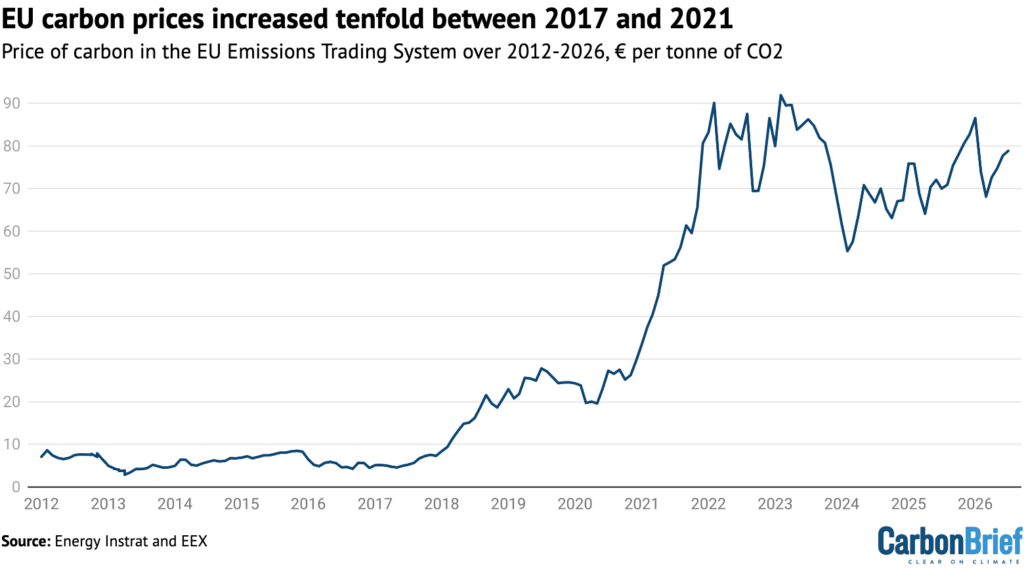
The proposal also addresses market volatility through the Market Stability Reserve (MSR). The MSR acts as a "buffer," absorbing excess allowances to prevent price crashes or releasing them to prevent spikes. The Commission plans to reduce the withdrawal rate from 24% to 12% starting in 2028, a move designed to keep more permits in the market for longer and prevent the kind of rapid price increases seen between 2017 and 2021, when carbon prices rose tenfold.
Official Responses and Stakeholder Reactions
The reception to the proposal has been starkly divided along economic and environmental lines.

- Environmental Groups: Carbon Market Watch and CAN Europe have condemned the plan as "climate vandalism." They argue that the extra 2 billion tonnes of emissions will necessitate much steeper, more expensive cuts in non-ETS sectors like agriculture and housing if the EU is to meet its 2040 targets.
- Industry Groups: BusinessEurope expressed concerns over the "bureaucratic complexity" of the new conditionalities for free allowances. Meanwhile, the International Air Transport Association (IATA) expressed "deep frustration," warning that expanding the ETS to international flights would sap European competitiveness and raise ticket prices.
- Energy Sector: WindEurope noted that while the proposal provides clarity, it may fail to channel enough auction revenue back into industrial electrification. The Commission has countered this by proposing that 50% of all ETS auction revenues—estimated at over €100 billion by 2030—be legally earmarked for industrial decarbonization and clean energy projects.
Broader Implications and Next Steps
The proposal now enters a period of intense negotiation. The "trialogue" process will involve the European Commission, the European Parliament, and the Council of the EU (representing member state governments). Ireland, which currently holds the rotating presidency of the Council, has expressed an ambitious goal to reach a general agreement by the end of 2024, though many observers believe negotiations will extend well into 2027.
The primary challenge for negotiators will be reconciling the "business-friendly" concessions with the scientific necessity of the 2040 targets. If the ETS cap is reduced more slowly, the "burden sharing" among EU member states will likely become a point of contention, as sectors not covered by the ETS (under the Effort Sharing Regulation) may be forced to accelerate their own decarbonization to bridge the 2-billion-tonne gap.
Ultimately, this proposal marks a new chapter in European climate policy—one that attempts to transition from a purely environmental mandate to a sophisticated industrial strategy. Whether this "savvy" approach can maintain the EU’s global climate leadership while protecting its industrial base remains the central question for the continent’s policymakers.
Related posts: