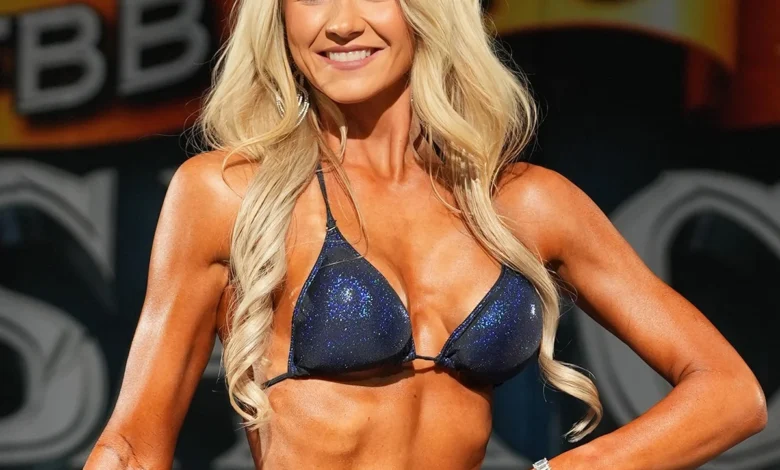
Elizabeth Smart is embracing a newfound sense of strength and confidence, attributing a significant portion of this transformation to her journey into bodybuilding. The activist, who publicly shared her foray into this demanding fitness discipline in April, has discovered that the principles guiding her workouts extend far beyond physical aesthetics, profoundly impacting her emotional well-being.
"It’s lifting heavy, it’s prioritizing protein, and then for me, it was really important to have a coach that was there to help me," Smart exclusively shared with E! News. This emphasis on expert guidance underscores a strategic approach to her fitness. A coach, she explained, provides not only crucial feedback and motivation but also the vital ability to identify and address setbacks. "Having honest feedback and motivation, but at the same time being like, ‘Hey, I notice that this week’s check-in it kind of looks like maybe you had a hard week or you slid back a little bit. Tell me what’s going on. Let’s see if we can work through this and come back better next week.’" This supportive, yet firm, guidance system is central to her progress.
The mantra, "I can do hard things," has become a cornerstone of Smart’s personal philosophy, a phrase she not only repeats to herself but also instills in her three children with husband Matthew Gilmour. "I think I tell my kids that every day, ‘You can do hard things.’" This powerful affirmation reflects a deep-seated resilience cultivated through her life experiences.
For Smart, who was famously kidnapped and held captive for nine months in 2002 at the age of 14, the physical discipline of bodybuilding has become an integral part of her healing and self-acceptance journey. The 38-year-old now expresses a profound sense of comfort and gratitude for her body, which she views as an outward manifestation of her internal strength. "I really have fallen in love with it because I just feel like it’s an outer reflection of how I have felt about my body. I am so grateful to my body."
This gratitude stems from a deep appreciation for her body’s resilience. "It really has carried me through so much, and I feel like it’s protected my soul, and it’s protected my heart, and it’s given me three beautiful children," Smart stated. "It’s brought me through every worst day of my life and so now I want to celebrate it." This sentiment highlights a profound shift from a past where her body was a site of trauma to one where it is a symbol of survival and strength.
The physical challenges of bodybuilding have also been instrumental in helping Smart to process and move past the shame she experienced following her ordeal. "It’s taught me to let go of the shame that I felt after everything that I experienced," she shared. "It taught me that my body is beautiful, and I don’t need to be ashamed of it. I can embrace it." This personal evolution is a testament to the power of reclaiming one’s narrative and finding empowerment through self-care and physical discipline.
This message of resilience and empowerment is at the heart of Smart’s new iHeartRadio podcast, The Survivor Files with Elizabeth Smart, which launched on August 17th. The podcast features survivors sharing their stories, focusing on the lessons learned, resilience, hope, and the inner strength required to persevere against overwhelming odds. "It is with the survivors—it’s them sharing their stories and what they’ve learned," Smart explained. "It’s about resilience and hope and finding the inner strength to keep going when everything is against them."
The Long Shadow of Trauma and the Road to Recovery
Elizabeth Smart’s abduction in June 2002 by Brian David Mitchell and his wife Wanda Barzee sent shockwaves across the nation. The 14-year-old was taken from her Salt Lake City home in the dead of night, sparking a massive, months-long search. The ordeal, which lasted for 256 days, was marked by intense media scrutiny, public appeals, and a deeply traumatic experience for Elizabeth and her family. The subsequent years saw Smart dedicating her life to advocating for victims and raising awareness about abduction and sexual assault.
The investigation into Smart’s disappearance was complex and fraught with challenges. Early in the investigation, law enforcement, following standard protocol, had to consider all possibilities, including those within the family. This led to extensive interviews and the examination of electronic devices within the Smart household. Captain Cory Lyman, a lead investigator, noted in the Netflix documentary Kidnapped: Elizabeth Smart that while the family appeared normal, statistical probabilities often pointed to perpetrators being known to the victim. Despite thorough investigation, no evidence of familial involvement was found, and the family was cleared.
Adding to the family’s anguish, Smart’s father, Ed Smart, was briefly placed in a psychiatric ward due to the immense stress and suspicion he faced. His then-wife, Lois Smart, expressed concern that his emotional distress might be misinterpreted as guilt. The investigation also encountered a potential distraction in Tom Smart, Ed’s brother, who became a public figure in the early days of the search. His sometimes erratic public demeanor and inconclusive polygraph results raised questions, though he later explained his behavior as a result of exhaustion and a singular focus on finding Elizabeth.
The search for Elizabeth was punctuated by false hopes and profound grief. At one point, the discovery of a young girl’s remains intensified the family’s agony, only for them to be identified as belonging to another victim. The investigation also faced a significant setback with the death of Richard Ricci, a contractor who had done work at the Smart home. Ricci became a suspect after jewelry belonging to Lois Smart was found in his possession. However, before he could provide further information, Ricci died of a brain aneurysm in jail, leaving investigators at what they described as a "dead end."
The breakthrough in the case came through the recollection of Elizabeth’s younger sister, Mary Katherine Smart. As the sole witness to the abduction, the then-9-year-old was repeatedly interviewed. While initially isolated to preserve her memories, Mary Katherine eventually recalled the name "Emmanuel," a pseudonym used by Brian David Mitchell. This crucial piece of information, initially met with skepticism by some investigators, ultimately led to Mitchell and his wife being identified and located.
A Rescued Life and a Path to Healing
The rescue of Elizabeth Smart on March 12, 2003, brought an end to her harrowing captivity. However, the psychological and emotional scars ran deep. Mitchell had subjected her to repeated sexual assault and psychological manipulation, exploiting her faith and attempting to control her perception of reality. During her captivity, she was moved to different locations, including an encampment in the mountains and eventually Lakeside, California. It was her own strategic intervention, coupled with her family’s persistent efforts to publicize information about Mitchell, that ultimately led to her discovery.
The police, while initially cautious about releasing a sketch of "Emmanuel" for fear of alerting the perpetrator, ultimately followed the Smart family’s lead in going public. This proved critical when Mitchell, Elizabeth, and Barzee were recognized upon arriving in Sandy, Utah, leading to their apprehension. Even in the moments of rescue, Elizabeth’s fear and ingrained obedience to her captors made her initial confirmation of her identity hesitant.
Reclaiming Her Narrative: Advocacy and Personal Growth
Since her rescue, Elizabeth Smart has become a powerful advocate for victims’ rights and a prominent voice against child abduction and sexual violence. She has shared her story through public speaking, books, and documentaries, aiming to empower others who have experienced similar trauma. Her personal journey has involved grappling with the psychological aftermath, including the shame and trauma associated with her captivity.
Smart’s embrace of bodybuilding signifies a profound reclaiming of her physical self. It represents a conscious effort to build strength, both literally and figuratively, and to celebrate her body’s capacity for resilience. The discipline of weightlifting, the focus on nutrition, and the accountability to a coach all contribute to a holistic approach to healing and self-empowerment. This journey is not merely about achieving a sculpted physique but about forging a stronger connection with herself and her physical being, which has endured unimaginable hardship.
The advice she received—to lift heavy, prioritize protein, and have a supportive coach—is more than just fitness guidance; it’s a metaphor for her broader life philosophy. It speaks to the importance of facing challenges head-on, fueling oneself with what is necessary for growth, and having a trusted support system. Her consistent reminder to herself and her children, "You can do hard things," encapsulates the resilience that has defined her life and continues to guide her path forward.
Elizabeth Smart’s current endeavors, including her podcast, underscore her commitment to providing a platform for others to share their stories of survival and resilience. By leveraging her own experiences and platform, she continues to illuminate the path toward healing and empowerment for countless individuals. Her bodybuilding journey, therefore, is not just a personal transformation but a public testament to the enduring power of the human spirit in the face of adversity.