The largest cyclospora food poisoning outbreak in U.S. history is officially over following a massive recall and exhaustive federal investigation.

Federal health authorities, including the U.S. Food and Drug Administration (FDA) and the Centers for Disease Control and Prevention (CDC), confirmed on Friday that the sweeping multistate outbreak of cyclosporiasis has concluded. Officials expressed high levels of confidence that all tainted iceberg lettuce linked to the specific cluster has been removed from the commercial market and supply chains. While the closure of this investigation marks a milestone in public health management, it also serves as a sobering reminder of the systemic vulnerabilities within the global food supply network that serves the American public.
Nearly 13,000 confirmed cases of the parasitic infection were directly attributed to this specific multistate outbreak. However, these figures represent only a fraction of an unprecedented and anomalous surge in cyclosporiasis cases recorded throughout the current year. Since the onset of the reporting period on May 1, federal agencies have documented nearly 20,000 laboratory-confirmed cases of the illness—a staggering figure that is more than 16 times higher than the incidence rate observed during the same timeframe in the previous year. When including the more than 6,100 suspected cases currently under review, the total impact of this year’s outbreak on the American healthcare system becomes even more pronounced.
Understanding the Parasite and Its Pathogen
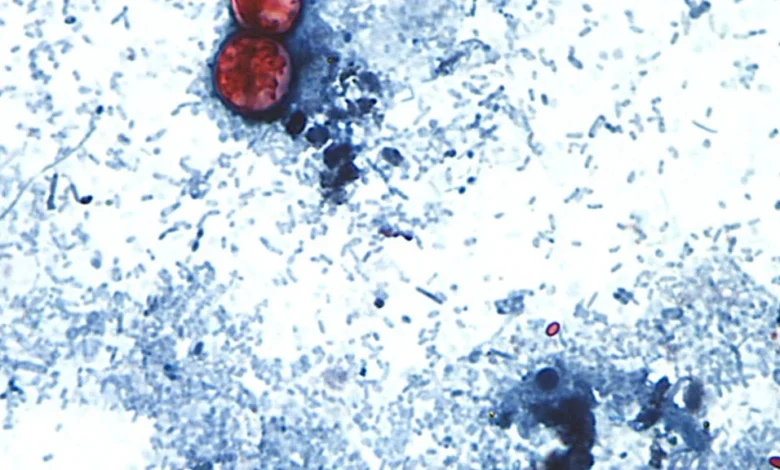
Cyclospora cayetanensis is a microscopic, single-celled parasite that is primarily transmitted through the ingestion of food or water contaminated with human feces. The illness it causes, cyclosporiasis, is characterized by a range of gastrointestinal symptoms, most notably persistent, watery diarrhea, which the CDC describes as potentially "explosive." Other common symptoms include loss of appetite, weight loss, severe stomach cramps, bloating, nausea, and low-grade fever.
Unlike more common foodborne pathogens like Salmonella or E. coli, which often produce symptoms within hours of consumption, the incubation period for Cyclospora is typically about a week. This delayed onset makes it notoriously difficult for epidemiologists to trace the exact source of an infection, as patients often struggle to recall what they ate seven to ten days prior. Because the parasite is robust and requires specific diagnostic testing—which is not always included in routine stool panels—many cases remain undiagnosed or unreported, suggesting that the true burden of this year’s outbreak may be significantly higher than official statistics indicate.
Chronology of the Outbreak
The crisis began to unfold in late spring, a period historically associated with higher rates of parasitic outbreaks as temperatures rise and agricultural activity intensifies. By early summer, health departments in several states began reporting clusters of gastrointestinal illness that did not align with typical seasonal patterns.
As the number of cases spiked, investigators zeroed in on iceberg lettuce as the common denominator among the affected individuals. The trail led federal officials to Taylor Farms, a major producer and processor of fresh produce. Subsequent investigations revealed that the contaminated iceberg lettuce had been grown in central Mexico and shipped to various high-volume food service providers across the United States.
The scope of the distribution was vast, encompassing major restaurant chains, including Yum Brands—the parent company of Taco Bell, Pizza Hut, and KFC. As the connection to these chains became clearer, public health agencies moved to coordinate a widespread recall of packaged salad products. The FDA’s intervention included rigorous on-site inspections at the Mexico-based processing facilities and the agricultural fields involved. As of Friday, those inspections have concluded, and the agency is currently analyzing the final samples collected from these locations to better understand the mechanism of contamination.
The Human Toll and Regional Impact
While the outbreak spanned 21 states, the impact was not felt equally across the country. Michigan emerged as the epicenter of the crisis, reporting the highest density of infections. Tragically, the state also accounted for the two confirmed deaths linked to the outbreak. For most healthy adults, cyclosporiasis is an uncomfortable but manageable condition treated with specific antibiotics; however, for the immunocompromised, the elderly, or those with underlying health conditions, the dehydration and nutritional depletion caused by the parasite can be fatal.
The 2024 surge far eclipses the previous national record set in 2019, when approximately 4,700 illnesses were reported. Public health experts suggest that the sheer scale of this year’s event indicates a significant failure in the sanitation or water management practices at the source of production. Ellen Shumaker, director of outreach for the Safe Plates program at North Carolina State University, emphasized that the contamination likely occurred at the primary agricultural stage. "This contamination can happen if produce is grown in soil or comes into contact with water that has been contaminated," Shumaker noted, highlighting the critical role that irrigation water quality plays in food safety.
Systemic Challenges and Regulatory Oversight
The conclusion of this outbreak has ignited a broader debate regarding the efficacy of U.S. food safety regulations in an era of globalized agriculture. A significant portion of the fresh produce consumed in the United States is imported, yet the frequency of international inspections conducted by the FDA has seen a downward trend in recent years.
Critics of the current oversight model point out that as the complexity of the supply chain grows, the ability of regulators to physically visit and monitor overseas farms has become increasingly strained. When a single facility in Mexico can serve dozens of major U.S. restaurant chains, a single lapse in hygiene protocols can result in a nationwide public health emergency within days.
Furthermore, the thousands of cases this year that were not linked to the Taylor Farms outbreak remain a mystery to investigators. This suggests the presence of multiple, concurrent, or undetected vectors of contamination circulating within the food supply. Without a more granular level of traceability and more frequent onsite testing at the farm level, experts warn that the risk of future, similar outbreaks remains high.
Implications for the Future of Food Safety
As the FDA shifts from emergency response to post-mortem analysis, the lessons learned from this year’s crisis are expected to reshape federal inspection protocols. The agency is under increasing pressure to modernize its approach to produce safety, particularly regarding the use of agricultural water.
For the general public, the outbreak serves as a reminder that even fresh, healthy produce carries inherent risks. While consumers cannot verify the sanitation standards of a farm in another country, public health officials continue to recommend thorough washing of produce, though they acknowledge that for parasites like Cyclospora, which can embed themselves within the surface of leafy greens, washing is not a guaranteed preventative measure.
The declaration that the outbreak is "over" is a clinical term; it signifies that the specific batches of contaminated product have been cleared from shelves and that no new clusters are currently being traced to these specific supply lines. However, the shadow of this crisis will likely influence agricultural policy for years to come. As the dust settles, the focus of the FDA, the CDC, and the agricultural industry will be to determine how such a large-scale contamination occurred and, more importantly, how to implement safeguards that prevent the next potential catastrophe before it ever reaches the dinner table.
In the immediate term, the conclusion of the investigation provides a sense of relief to the restaurant industry and the public, but the legacy of 2024’s record-breaking numbers remains a critical benchmark for future food safety initiatives. With climate change potentially altering the survivability of pathogens in agricultural environments, the challenge for federal regulators will be to keep pace with an evolving landscape of threats, ensuring that the globalization of food does not come at the expense of consumer health.