The High-Stakes Battle Over John Deere Repair Software and the Future of Agricultural Autonomy

The modern agricultural landscape is undergoing a profound transformation, shifting from purely mechanical operations to complex, software-defined ecosystems. At the center of this evolution is John Deere, the world’s largest manufacturer of agricultural machinery, which has found itself at the heart of an intense, years-long struggle regarding the "Right to Repair." While the company recently showcased its "Operations Center Pro Service"—a platform designed to empower owners to diagnose and mend their own equipment—the initiative has met with a skeptical reception from the farming community, highlighting a widening chasm between corporate control and the practical realities of field maintenance.
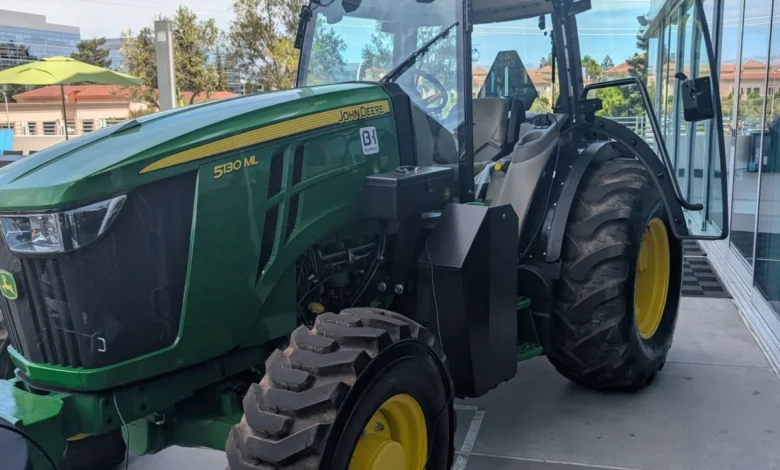
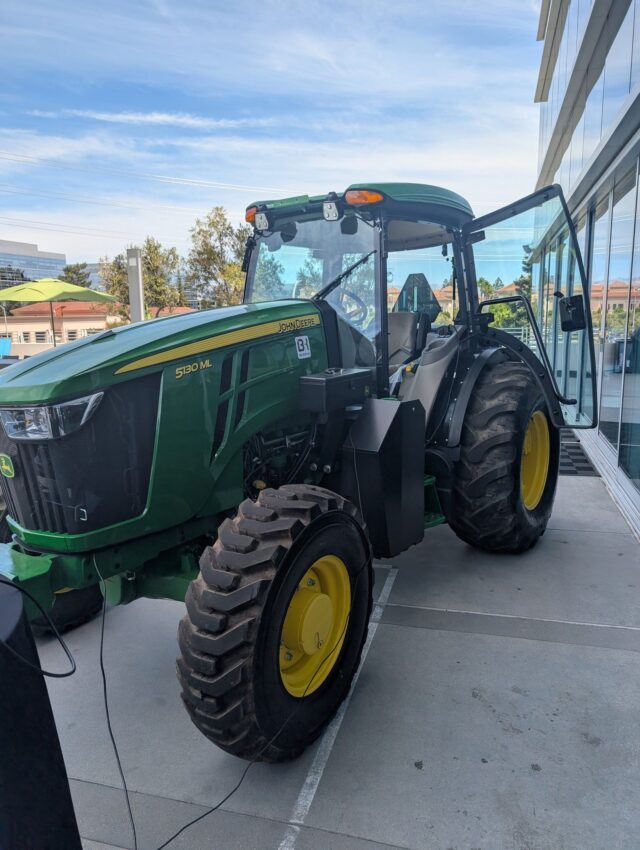
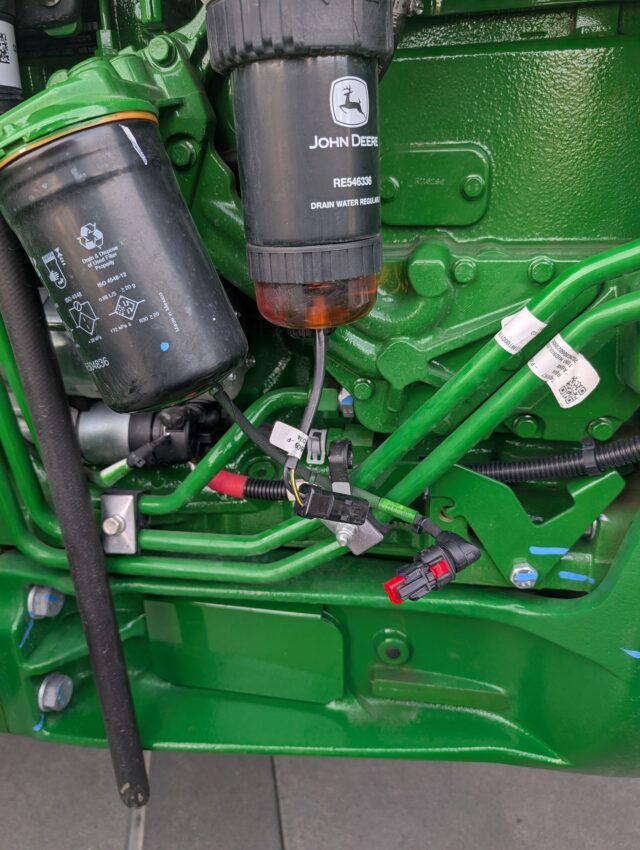
The scene at John Deere’s corporate office in Santa Clara, California, offers a controlled glimpse into the manufacturer’s latest attempt at reconciliation. A 5130ML tractor sits on a manicured lawn, its systems connected to a diagnostic laptop. For an observer, the process appears straightforward: a red notification alerts the user to a disconnected water-in-fuel (WiF) sensor. By navigating the software’s interface, which cross-references the machine’s specific serial number with digital schematics, the user can identify the faulty connection, reattach the loose wiring, and clear the error code. It is an exercise in efficiency, presented as proof that John Deere is committed to owner-friendly repairs. However, for many of the farmers who operate these machines across millions of acres, this demonstration addresses only the surface of a much deeper, more systemic problem.
A Chronology of Contention
The friction between John Deere and its customers is not a recent development. For over a decade, the relationship has been strained by the integration of sophisticated proprietary software into heavy machinery. As tractors became increasingly reliant on controllers, GPS-guided autonomy, and 4G connectivity, the barrier to entry for independent repairs grew exponentially.
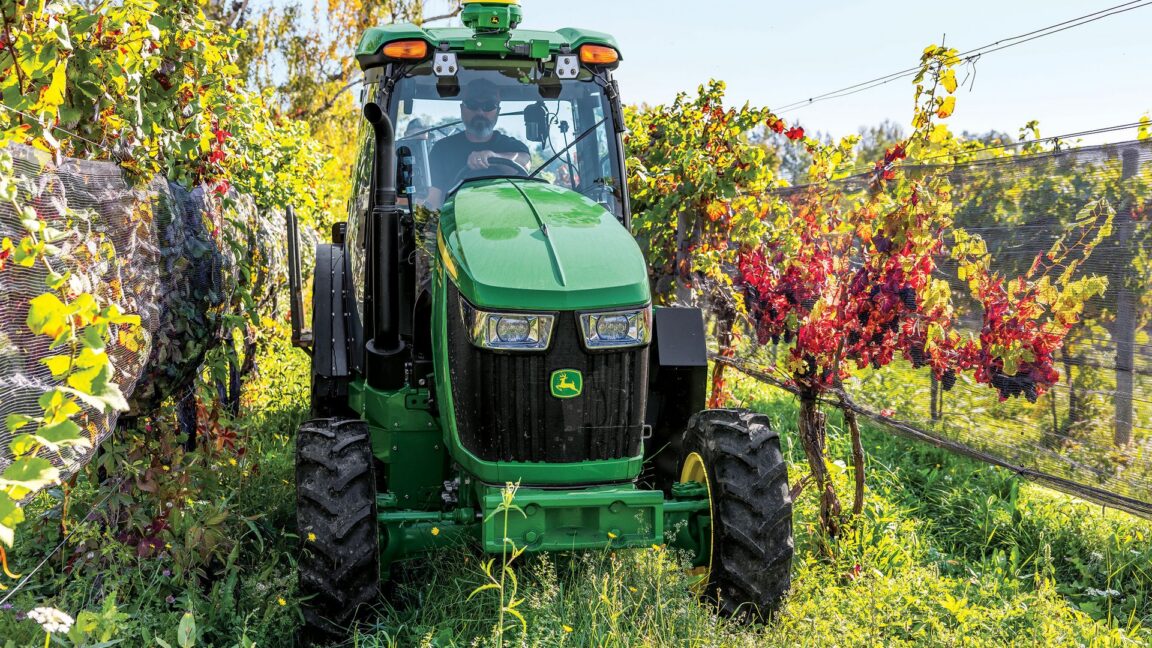
In 2015, the conversation reached a tipping point when the "Right to Repair" movement gained national attention, specifically targeting the digital locks John Deere placed on its engine control units. These locks effectively barred farmers from performing anything beyond the most basic maintenance without authorization from an official dealership. This led to a series of legal challenges and federal scrutiny. By 2023, the pressure culminated in significant regulatory action. A $99 million settlement was established to compensate equipment owners for repair costs deemed excessive or restricted, followed shortly by a high-profile settlement with the Federal Trade Commission (FTC) in 2024, which mandated that the company expand access to repair information and diagnostic tools.
Despite these milestones, the implementation of these solutions remains a point of contention. Critics argue that the company’s efforts are reactive rather than proactive, and that the "legal" path to repair is still heavily gated by proprietary software and subscription costs.
The Economics of Proprietary Diagnostics
John Deere’s "Pro Service," introduced in 2025, represents the company’s current strategic response to the demand for self-repair capability. The service operates on a tiered subscription model, with costs starting at $195 per machine annually. For larger commercial operations or independent repair facilities looking to support entire fleets, the pricing scales up to $4,995 per year for general access, with specialized agricultural and turf packages reaching nearly $6,000 annually.
From the manufacturer’s perspective, this is a necessary structure to support the maintenance of increasingly complex machines. Jahmy Hindman, John Deere’s senior vice president and chief technology officer, emphasizes that modern tractors can contain upward of 50 distinct electronic controllers. Managing these systems requires a high level of technical synchronization, which the Pro Service is designed to provide. The software enables offline diagnostic capabilities, keeps a detailed history of updates, and offers a direct pathway to ordering replacement parts.
However, the adoption rate tells a different story. One year after its broader rollout, the platform counts approximately 1,000 daily users. Given that the United States is home to an estimated 1.8 million farms, the relatively low uptake suggests that the service has yet to gain the trust or meet the functional needs of a significant portion of the agricultural industry.
The Farmer’s Perspective: Complexity and Distrust
The skepticism among farmers is grounded in the operational reality of the field. Jared Wilson, a Missouri-based farmer who manages 3,000 acres of corn and soybeans, characterizes the current situation as "fundamentally flawed." Wilson, who was a named plaintiff in the $99 million class-action lawsuit, argues that the Pro Service is useful only for simple, singular failures.
"If you have multiple failures, you have to figure out where to start," Wilson explains. "If you have three or four different diagnostic codes, the decision-making tree is not as transparent or as helpful as it needs to be." According to Wilson, the most pressing issue is the lack of parity between the diagnostic tools provided to farmers and those available to authorized dealership technicians. While John Deere maintains that the software versions are identical, farmers often report that dealership tools possess deeper, "next-level" diagnostic capabilities that remain inaccessible to owners, even those paying for the Pro Service.
Furthermore, there is a persistent reliance on the "gray market." Many farmers continue to source cracked versions of diagnostic software, preferring the unfettered access provided by these illicit tools over the subscription-based, curated experience offered by the manufacturer. This behavior highlights a fundamental lack of trust: farmers fear that the company will continue to gatekeep the tools necessary for critical, time-sensitive repairs.
The Role of Product Improvement Plans (PIPs)
A significant source of frustration for owners involves the timing and distribution of "Product Improvement Plans" (PIPs). When John Deere identifies a recurring mechanical or software issue, it issues a PIP to notify owners. However, these notifications only occur after the company has gathered sufficient data to verify the problem. In the interval—which can be days or even weeks—the farmer is left with a compromised machine and no official guidance on how to rectify the issue. For a farmer in the middle of a harvest, this delay is financially catastrophic. The demand from the field is for immediate access to raw diagnostic data, allowing farmers to troubleshoot novel issues without waiting for a corporate directive.
Implications for the Broader Right to Repair Movement
The struggle over John Deere’s repair policies is increasingly viewed as a vanguard for the broader Right to Repair movement. As consumer electronics, automobiles, and home appliances follow the same trajectory of "software-defined" functionality, the precedent set by agricultural machinery will likely influence future legislation across many industries.
Advocates like Willie Cade, a board member of Repair.org, argue that the issue is not merely technical, but philosophical. "They are monopolists that want to make as much money as they possibly can," Cade contends. "Their real customer is not the farmer; their real customer is Wall Street." This viewpoint posits that the shift toward restrictive repair policies is a deliberate effort to protect revenue streams, forcing customers into a perpetual cycle of dealer-provided service.
John Deere’s leadership remains firm in its commitment to the current model. Hindman acknowledges that the company has work to do, but he insists that the goal is to provide the best possible tools for farmers. "We have the best intentions of making sure that we have the ability to give customers the tools that they need to keep their equipment up and running," Hindman states.

Conclusion
The tension between John Deere and its customers serves as a complex case study in the intersection of high technology and essential labor. While the company is making strides in offering diagnostic software to owners, the cultural and operational divide remains wide. Whether through further legislative intervention or a shift in corporate strategy, the future of farming will depend on whether manufacturers can move beyond the "gatekeeper" model toward a more transparent, collaborative relationship with the end-users who keep the industry running. Until then, the battle for the right to repair continues to be one of the most significant test cases for the autonomy of property owners in the digital age.