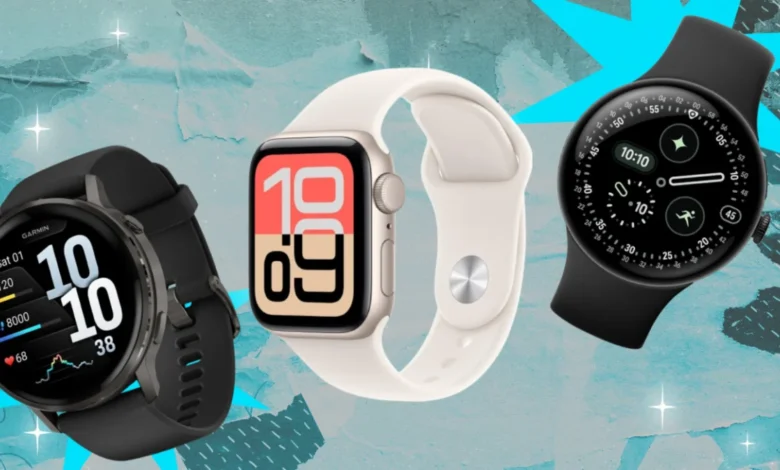
Selecting the ideal smartwatch as a gift in 2026 requires navigating a mature marketplace where device ecosystem compatibility is the primary determinant of functionality. With major manufacturers like Apple, Google, Samsung, and Garmin having solidified their respective software environments, the decision-making process has shifted from simple hardware comparisons to a strategic evaluation of the recipient’s existing mobile infrastructure. This guide assesses the current landscape of wearable technology to identify the most practical options for diverse user profiles.
The Ecosystem Constraint and Market Evolution
The wearable technology sector has undergone significant consolidation since 2020. In 2026, the industry is defined by high-frequency health monitoring and deeper integration with generative AI models. Unlike the smartphone market, where cross-platform utility remains somewhat fluid, smartwatches act as extensions of the host operating system. Apple Watch devices remain tethered to iOS, while Google’s Pixel Watch and Samsung’s Galaxy Watch ecosystem rely heavily on Android-specific APIs for full notification support, health data syncing, and emergency response integration.
For consumers, this means the first question to ask when selecting a gift is not which watch is objectively "best," but rather which smartphone the recipient currently uses. An incompatibility here renders even the most sophisticated health-tracking features largely inert, as data silos prevent seamless integration with the user’s primary health applications.
Apple Watch SE 3: The Practical Standard for iOS Users
For the vast majority of iPhone users, the Apple Watch SE 3 represents the optimal intersection of performance and utility. While the Series 12 and Ultra 4 models command the premium tier with advanced sensors—such as hypertension alerts and high-frequency ECG monitoring—the SE 3 provides the essential suite of features required for daily activity tracking, communication, and sleep monitoring.
The SE 3 utilizes the S10 processor, which, while one generation behind the flagship S11, remains highly capable of managing the computational load of watchOS 26 and 27, including local processing for Apple Intelligence features. The device supports an Always-On OLED display with 1,000 nits of brightness, which is sufficient for outdoor visibility. Furthermore, its rapid charging capabilities allow for 80% capacity in 45 minutes, addressing the primary consumer pain point of battery management. While it lacks the specialized sensors found in the Ultra series, its value proposition for the general user is bolstered by its lower entry price point and robust integration with the Apple health ecosystem.
Apple Watch Ultra 4: Ruggedization for the High-Performance Athlete
For users engaged in high-intensity training or extreme environments, the Apple Watch Ultra 4 has emerged as the definitive choice. The 2026 iteration introduces the S11 chip, which provides a notable efficiency improvement over the previous S10, resulting in a 50-hour battery life—a significant increase from the 42-hour standard of the Ultra 3.
Technological advancements in the Ultra 4 focus on "Health Sensing," which utilizes a more granular data-collection architecture to feed into the new "Readiness" application. This software-hardware synergy allows athletes to receive data-driven recommendations regarding workout intensity based on sleep quality, recovery time, and heart rate variability. Additionally, the Ultra 4’s 3,000-nit display and 100-meter water resistance rating position it as a specialized tool for maritime and alpine activities. Given the scarcity of new, sealed Ultra 3 units in the secondary market, the Ultra 4 stands as the most viable high-end gift for active users.

The Android Nexus: Pixel Watch 4 and Galaxy Watch 8
The Android market in 2026 reflects a trend toward iterative improvement rather than radical redesign. For Google Pixel users, the Pixel Watch 4 remains the strategic choice for those seeking a balance between price and performance. Featuring a 3,000-nit AMOLED display and the Snapdragon W5 Gen 2 processor, the device offers fluid performance and 30-to-40-hour battery life depending on the case size. Its integration with Google’s Gemini AI allows for voice-activated scheduling and health querying that is currently unparalleled in the Android space.
Samsung’s Galaxy Watch 8 follows a similar trajectory. Utilizing the Exynos W1000 chip, the Galaxy Watch 8 offers a highly polished interface for Samsung users, including specialized health coaching for sleep apnea and stress management. While the newer Galaxy Watch 9 introduces minor processor upgrades, the Watch 8 remains the more economically prudent choice, as it maintains feature parity with its successor regarding the most critical health metrics, such as the "Energy Score" and comprehensive exercise tracking.
Garmin Venu 4: The Specialized Fitness Alternative
Garmin continues to occupy a distinct niche by prioritizing battery endurance and high-fidelity fitness telemetry over the traditional "smart" features of its competitors. The Venu 4 is notable for its battery longevity, offering up to 12 days of operation with the Always-On display disabled—a metric that renders the 24-to-48-hour cycles of the Apple and Google watches obsolete for long-distance endurance athletes.
From a physiological data perspective, the Venu 4 provides a more extensive dataset than typical lifestyle watches. It measures heart rate at one-second intervals, tracks VO2 max, calculates recovery time, and provides specific metrics for running power and ground contact time. While it functions with both iOS and Android, it is important to note that the depth of notification interaction is limited for iPhone users compared to Android, where the device supports image rendering and full text response functionality.
Analytical Overview: Trends and Future Implications
The 2026 wearable market is characterized by a "plateau effect," where hardware specs have reached a point of diminishing returns for the average consumer. The primary competition among manufacturers has shifted to software-based "Health Guardians" and AI-driven predictive modeling.
Data from the first half of 2026 suggests that consumers are increasingly wary of paying premium prices for flagship models when the previous generation offers 90% of the functionality. Manufacturers have responded by keeping older models in production or as primary recommendations for mid-range gift shoppers. This has resulted in a more bifurcated market: entry-level devices that handle basic lifestyle needs and professional-grade wearables that offer niche data for specific sporting communities.
Implications for the Consumer
When selecting a smartwatch as a gift in 2026, the following factors should guide the final decision:
- Platform Loyalty: Confirm the recipient’s smartphone ecosystem. Mixing brands (e.g., a Galaxy Watch with an iPhone) creates a diminished experience due to restricted software bridges.
- Battery Philosophy: If the recipient prefers a device that requires daily charging alongside their phone, the Apple Watch or Pixel Watch are appropriate. If the recipient values longevity and infrequent charging, the Garmin Venu 4 is the clear leader.
- Sensor Relevance: Avoid over-purchasing features. Many users rarely utilize ECG sensors or blood oxygen monitoring. For the casual user, the mid-range models like the Apple Watch SE 3 or Galaxy Watch 8 provide the highest utility per dollar spent.
- Future-Proofing: While the latest models (Series 12, Ultra 4, Pixel 5, Galaxy 9) are technically more advanced, the "value" tier (SE 3, Watch 4, Watch 8) provides a more sustainable financial path without sacrificing critical daily functions.
In summary, the wearable market in 2026 is robust, offering tailored solutions for every user type. Whether the priority is health coaching, endurance training, or simple connectivity, the current generation of devices provides the necessary technology to integrate seamlessly into a user’s daily life, provided the correct ecosystem alignment is maintained.