The Evolution of Fashion Journalism: How Digital Media and Collaborative Reporting Shape Modern Style Coverage

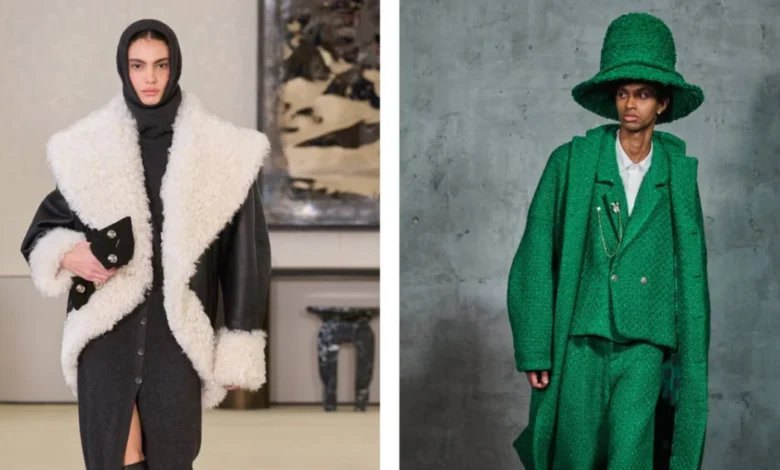
The landscape of fashion journalism has undergone a profound transformation over the past two decades, shifting rapidly from traditional print publications to dynamic, digitally native platforms. At the forefront of this evolution are specialized editorial teams that combine deep industry expertise, diverse cultural perspectives, and collaborative reporting techniques to deliver comprehensive lifestyle and style content to millions of readers worldwide. This shift has not only redefined how fashion and beauty trends are communicated to the public but has also elevated the voices of multifaceted journalists who bridge the gap between high fashion, identity, and everyday consumer culture.
A Collaborative Approach to Modern Style Reporting
In contemporary digital media, the production of high-impact fashion and lifestyle journalism rarely relies on a single author. Instead, it is increasingly driven by collaborative newsrooms where editors, contributors, and specialized writers pool their expertise. This methodology is exemplified by editorial teams that bring together seasoned veterans and emerging voices to cover complex intersections of style, culture, and commerce.
For instance, comprehensive style coverage often requires the combined insights of senior directors who oversee overarching editorial visions, shopping editors who analyze consumer trends, and specialized contributors who focus on niche aesthetics or regional markets. This multi-layered approach ensures that content is not only aesthetically engaging but also rigorously reported, culturally relevant, and accessible to a diverse readership.
Biographical Profiles and Industry Expertise
The depth of modern fashion journalism is largely sustained by the diverse backgrounds of the professionals leading the conversation. Editorial leadership in prominent digital publications is frequently anchored by individuals with extensive multi-platform experience. Senior style directors, such as award-winning editors with decades of tenure in major media organizations, bring institutional knowledge garnered from working with legacy print titles and fast-paced digital platforms alike. Their expertise typically spans multiple verticals, including high fashion, beauty, retail shopping, travel, and cultural commentary.
Furthermore, these leaders frequently lend their expertise to broadcast media, appearing on national television programs and moderating industry panels to discuss the evolving dynamics of fashion, representation, and consumer behavior. Supporting these editorial directors are assistant shopping editors and lifestyle writers whose backgrounds often intersect with cultural storytelling. Many modern fashion writers possess extensive experience covering the intersection of fashion, beauty, and Black culture, contributing vital perspectives to mainstream style publications. Their work extends beyond traditional trend reporting into cultural critiques, deep-dive profiles, and innovative digital storytelling across blogs and social media platforms.
The Digital Transformation of Fashion Media
The transition from print to digital has fundamentally altered the relationship between fashion publications and their audiences. Historically, fashion journalism was characterized by an exclusive, top-down approach, where a select group of editors and critics dictated seasonal trends to consumers. Today, the democratization of media has fostered a bidirectional dialogue between creators and readers.
Digital platforms allow for real-time reporting, interactive shopping guides, and immediate consumer feedback. This immediacy has transformed style journalism into a utility-driven field where readers look not just for inspiration, but for actionable advice, ethical sourcing information, and inclusive representation. Publications that successfully navigate this landscape are those that integrate commerce with critical cultural analysis, ensuring that fashion is presented not in a vacuum, but as a reflection of broader societal shifts.
The Economic and Cultural Implications of Style Content
The commercial implications of modern fashion and lifestyle journalism are substantial. With the rise of digital shopping verticals, editorial content plays a critical role in driving e-commerce and shaping consumer purchasing habits. Style directors and shopping editors curate products that reflect current consumer demands, balancing high-end luxury aesthetics with accessible, everyday retail options.
Beyond commerce, the cultural impact of inclusive fashion reporting cannot be overstated. By centering diverse voices and perspectives, contemporary style journalism challenges historical homogeneity within the fashion industry. Writers who specialize in merging fashion with cultural identity help to ensure that underrepresented communities are recognized not merely as consumers, but as foundational contributors to global style and beauty standards.
Looking Ahead: The Future of Fashion Journalism
As the media industry continues to adapt to emerging technologies, artificial intelligence, and shifting consumer habits, the core principles of rigorous journalism remain essential. The future of fashion reporting will likely see an even greater integration of data analytics, immersive digital experiences, and cross-platform storytelling. However, the human element—rooted in the specialized knowledge, lived experiences, and collaborative efforts of dedicated journalists—will remain the driving force behind impactful style coverage. Through meticulous reporting and a commitment to diverse storytelling, modern style journalists continue to shape how the world perceives, consumes, and engages with the art of fashion.