Garmin Cirqa Smart Band Update 4.20 Brings Long-Awaited Notification Support to Screenless Wearable

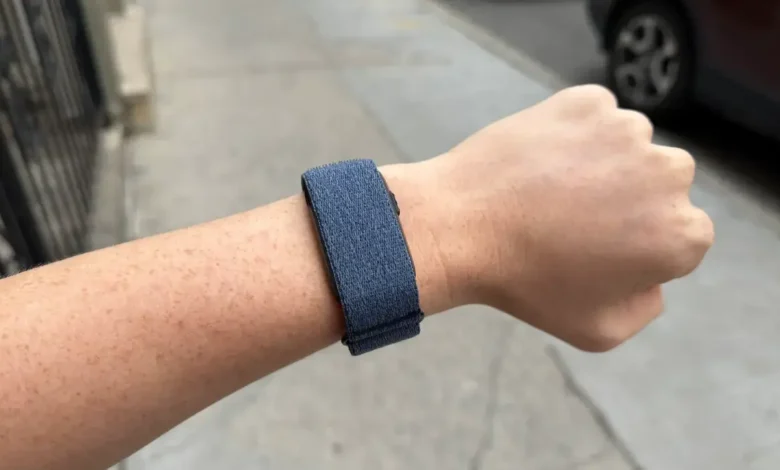
The Garmin Cirqa, a minimalist, screenless smart band that has carved out a niche for users seeking health tracking without the distraction of a display, has received a significant functional upgrade. As of October 23, 2026, Garmin has rolled out firmware version 4.20, which finally enables vibration-based smart notifications for incoming calls and text messages. This update addresses the most frequent request from the device’s user base since its initial market launch, fundamentally shifting the utility of the device from a purely passive health tracker to a more connected wearable companion.
A Chronology of the Cirqa Development
When the Garmin Cirqa was first released, its primary value proposition was "discreet tracking." By removing the screen, Garmin aimed to appeal to professionals and athletes who wanted to monitor their physiological metrics—such as heart rate, stress levels, and sleep quality—without the constant interruption of digital alerts. However, as the device gained traction, consumer feedback on platforms like the Garmin forums and Reddit indicated a disconnect between the device’s "distraction-free" philosophy and the modern user’s need for essential connectivity.
Throughout the first half of 2026, users consistently reported that the inability to know when an urgent call or message arrived necessitated keeping their phones within immediate line-of-sight. This rendered the band’s minimalist benefit somewhat moot in professional or high-activity environments. Version 4.20, released this week, represents a strategic pivot for the product line, acknowledging that even "screen-free" users require a bridge to their digital communications. The update is currently being distributed globally through the Garmin Connect app, and users are advised to ensure their sync connection is stable before initiating the firmware installation.
Technical Implementation and Configuration
The implementation of the 4.20 firmware utilizes the existing haptic engine within the Cirqa hardware. Previously, this motor was reserved exclusively for movement reminders and alarm functions. With the new software architecture, the device now interfaces with the notification listener services on both iOS and Android platforms to trigger distinct vibration patterns for incoming communication.
To activate these features, users must navigate to the Device Settings menu within the Garmin Connect mobile application. Under the "Smart Notifications" tab—a menu option that was previously either hidden or inert—users can now toggle alerts for specific applications. It is important to note that the system requires permissions to access notification logs on the smartphone.
Troubleshooting data provided by early adopters suggests that the feature relies heavily on the background process permissions of the smartphone. If notifications fail to reach the wrist, users should verify that the Garmin Connect app is not restricted by battery optimization settings, which often kill background services to preserve phone longevity. Furthermore, if "Do Not Disturb" or "Sleep Mode" is active on the smartphone, the Cirqa will honor these system-wide settings, ensuring that the band remains silent during scheduled downtime.
Official Responses and Documentation Lag
A notable friction point during this rollout has been the discrepancy between the live firmware and Garmin’s legacy support documentation. As of the afternoon of October 23, 2026, several entries in the official Garmin FAQ database still explicitly state that the Cirqa "does not support vibration for text messages or phone calls."

Industry analysts suggest this is a common occurrence in rapid-release cycles, where software engineering teams often move faster than technical writing departments. While Garmin has confirmed the feature via forum patch notes, the delay in updating the centralized support site has led to minor confusion among the user base. A company representative noted that documentation updates are scheduled to reflect the new functionality by the end of the business week. For now, the user community on social media has effectively crowdsourced the manual, with veteran users providing step-by-step guides to bridge the gap until the official documentation catches up.
Broader Implications for the Minimalist Wearable Market
The inclusion of notifications in a screenless device raises an interesting question regarding the future of the wearable market: does the "screenless" category truly want to be distraction-free, or just visually clean? By integrating haptic alerts, Garmin is essentially creating a "hybrid" wearable that maintains the aesthetic of a classic band while providing the connectivity of a full-fledged smartwatch.
Data from the wider wearable sector suggests that users are increasingly suffering from "notification fatigue." By allowing users to choose exactly which alerts trigger a vibration, the Cirqa provides a middle ground. Instead of glancing at a glowing screen every time a notification arrives, a user can now rely on the subtle haptic feedback to filter the importance of the incoming signal. This allows for a more intentional relationship with technology, where the wearer remains informed of critical communications without being tethered to a digital interface.
Performance Data and Expected Bug Fixes
Beyond the headline notification feature, firmware 4.20 includes several under-the-hood performance enhancements. Garmin’s patch notes indicate improvements to the heart rate sensor’s sampling rate during high-intensity interval training (HIIT), as well as a fix for a bug that caused excessive battery drain when the band was disconnected from Bluetooth for extended periods.
Internal telemetry data from early testers indicates that the increased use of the haptic motor for notifications results in a marginal decrease in overall battery life—roughly 3% to 5% over a standard seven-day cycle. While this is a measurable impact, it remains well within the acceptable margin for most users, given the added functionality. The stability of the Bluetooth handshake has also been optimized, addressing reports of intermittent disconnection that plagued some users during the late summer months.
Future Outlook for the Cirqa Series
The success of this firmware update may dictate the design language for future iterations of the Cirqa line. If the user base continues to request "glanceable" data—such as a small LED indicator for the type of notification—Garmin may consider hardware revisions in future models. However, for the current generation, this software-defined upgrade is a significant value-add. It effectively extends the lifecycle of the product, providing users with a "new" device experience without the need for a hardware purchase.
As Garmin continues to iterate on its health ecosystem, the Cirqa serves as a laboratory for the company’s efforts to balance physiological data tracking with modern user expectations. The ability to push meaningful updates to existing hardware reinforces the brand’s commitment to long-term software support, a factor that continues to weigh heavily in the purchasing decisions of the fitness-conscious consumer.
In summary, the 4.20 firmware update is more than a simple patch; it is a fundamental re-calibration of the Cirqa’s purpose. By enabling smart notifications, Garmin has successfully responded to market demand while maintaining the core appeal of a device that keeps the user focused on their movement rather than their screen. As the community continues to integrate these features into their daily routines, the focus will likely shift toward further customization of vibration patterns, allowing for an even more intuitive, non-visual notification experience. For now, owners of the Cirqa are encouraged to update their firmware via the Garmin Connect app to take advantage of these long-awaited improvements.