New Research from the University of Louisville Uncovers How Gut Microbes Could Revolutionize Inflammatory Bowel Disease Treatment

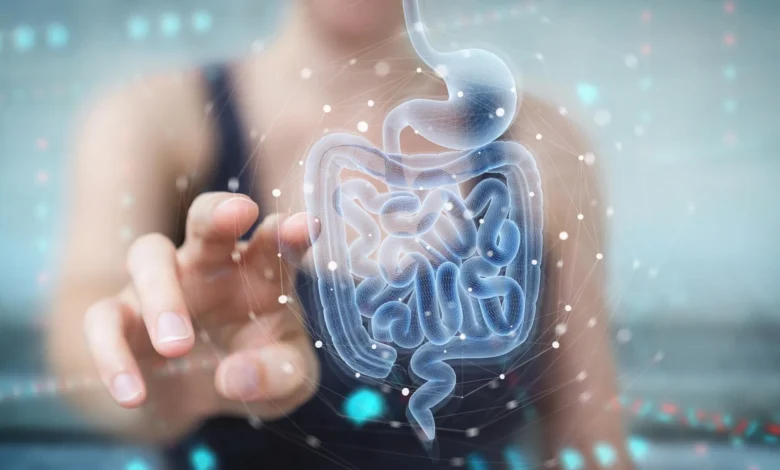
The landscape of inflammatory bowel disease (IBD) management may be on the verge of a significant paradigm shift following a breakthrough discovery at the University of Louisville. Researchers have identified a specific mechanism by which a natural compound—produced by gut bacteria after the consumption of certain fruits and nuts—actively repairs the intestinal barrier. This study, published in the journal Nature Communications, provides a mechanistic explanation for how diet, the microbiome, and the immune system communicate to maintain homeostasis, potentially paving the way for targeted therapies that avoid the systemic risks associated with current immunosuppressive drugs.
The Burden of Inflammatory Bowel Disease
Inflammatory bowel disease, an umbrella term that encompasses Crohn’s disease and ulcerative colitis, represents a significant global health challenge. According to the Centers for Disease Control and Prevention (CDC) and various international health organizations, millions of individuals are currently living with these chronic conditions. The diseases are characterized by a debilitating cycle of persistent inflammation, abdominal pain, diarrhea, and nutrient malabsorption.
At the physiological level, IBD involves the breakdown of the intestinal epithelial barrier. In a healthy state, this barrier acts as a sophisticated "gatekeeper," allowing for the absorption of vital nutrients while simultaneously preventing the translocation of commensal and pathogenic bacteria into the bloodstream and underlying tissues. When this barrier is compromised, the immune system mounts a hyperactive response, leading to chronic inflammation. Standard treatments, which often include corticosteroids, immunomodulators, and biologic agents, are designed to dampen this immune response. However, these treatments are broad-spectrum, often leaving patients vulnerable to infections and failing to address the underlying cellular damage that leads to the disease’s recurrence.
The Role of Urolithin A: From Diet to Molecular Defense
The research, spearheaded by Dr. Venkatakrishna Rao Jala, an associate professor in the Department of Microbiology and Immunology at UofL’s Brown Cancer Center, focuses on urolithin A (UroA). UroA is a microbial metabolite, a chemical byproduct generated when the gut microbiome breaks down ellagitannins—polyphenols found abundantly in pomegranates, walnuts, and various berries.
For years, scientists have understood that diet influences gut health, but the specific molecular pathways have remained elusive. Dr. Jala’s team hypothesized that UroA interacts with the aryl hydrocarbon receptor (AHR), a protein that acts as an environmental sensor within cells. While AHR has long been known to respond to environmental toxins—often triggering inflammatory cascades—the UofL team discovered that when activated by UroA in a specific context, AHR behaves differently.
Decoding the Mechanism: The NLRP6 Inflammasome
The study marks a critical evolution in the scientific understanding of the NLRP6 inflammasome. Historically, inflammasomes have been viewed through a narrow lens as drivers of inflammation. However, the University of Louisville researchers found that UroA selectively activates AHR in intestinal epithelial cells, which in turn triggers the NLRP6 inflammasome in a protective capacity rather than a destructive one.
"The findings show that not all inflammatory pathways are harmful," noted Sweta Ghosh, the study’s lead investigator and a former postdoctoral researcher in Dr. Jala’s laboratory. "Under the right conditions and in the right cells, these pathways can play an essential role in maintaining gut health and supporting tissue repair."
When UroA binds to AHR, it initiates a series of cellular events:
- Barrier Reinforcement: The process promotes the synthesis of tight junction proteins that seal the gaps between intestinal cells.
- Mucus Production: It stimulates goblet cells to produce protective mucus, which acts as a physical buffer against microbial infiltration.
- Antimicrobial Defense: It induces the production of specialized molecules that maintain a healthy balance of gut bacteria, preventing the overgrowth of harmful pathogens.
This orchestration of cellular defenses suggests that the body possesses innate "repair switches" that can be toggled by specific dietary metabolites.
Chronology of Research and Experimental Validation
The journey toward this discovery has been a multi-year effort. Dr. Jala’s group previously established a foundational link between UroA and gut health in a 2018 study, also published in Nature Communications, which demonstrated the anti-inflammatory properties of the compound. The current study serves as the next logical step, providing the "how" behind the observed effects.
To confirm their findings, the researchers employed a robust, multi-tiered experimental strategy:
- Cellular Models: Initial experiments were conducted on intestinal epithelial cell lines to observe the direct interaction between UroA and AHR.
- Organoids: The team utilized organoid models—"mini-guts" grown from human stem cells—to replicate the complex architecture and functionality of the human intestine in a controlled environment.
- Clinical Samples: Perhaps most importantly, the team analyzed intestinal tissue samples from human patients suffering from IBD. The researchers confirmed that the protective UroA-AHR-NLRP6 pathway was present and functional in human tissues, providing a bridge from bench to potential bedside application.
Implications for Future Therapeutic Development
The implications of this research are substantial. By identifying a specific pathway that repairs the gut lining without requiring broad immunosuppression, the researchers have opened a new door for drug development.
Current IBD therapies are often described as "blunt instruments." By suppressing the entire immune system, they increase the risk of opportunistic infections and can lead to long-term side effects, including an increased risk of certain malignancies. A therapeutic approach that targets the AHR-NLRP6 pathway would be "precision medicine" in its purest form. Such a treatment would theoretically reinforce the body’s own defensive mechanisms, allowing for the restoration of intestinal homeostasis rather than merely masking the symptoms of inflammation.
Furthermore, the study highlights the importance of the microbiome as an active participant in human health. It underscores that the protective effects of a healthy diet—specifically foods rich in ellagitannins—are not just about the nutrients themselves, but about the specific chemical signals that gut bacteria produce after processing those nutrients.
Looking Ahead: Challenges and Next Steps
While the findings are promising, the researchers caution that translating these results into a clinical treatment will require further investigation. Key questions remain regarding the optimal dosage of UroA, the stability of the compound in the gastrointestinal tract, and how inter-individual differences in gut microbiome composition might affect the production of UroA. Not all individuals possess the specific gut bacteria necessary to convert pomegranate or walnut-derived ellagitannins into UroA, a factor that could limit the efficacy of dietary intervention alone and necessitate the development of synthetic UroA analogs or targeted probiotic therapies.
The University of Louisville team’s work sets a new benchmark for how we view the intersection of diet and disease. By demonstrating that the gut-immune interface is highly nuanced, the study encourages a move away from the binary "good vs. bad" view of inflammation. As the medical community continues to struggle with the rising incidence of autoimmune and inflammatory conditions, this research provides a hopeful roadmap for developing therapies that work in harmony with the body’s natural physiological processes.
As this research progresses toward clinical trials, the focus will likely shift to refining delivery mechanisms to ensure that the compound reaches the specific cells of the intestinal lining effectively. For the millions affected by the pain and unpredictability of Crohn’s and ulcerative colitis, this study represents a vital step toward a future where treatment is not just about survival, but about genuine, long-term restoration of health.
Related posts: