Kimchi-Derived Lactic Acid Bacteria Show Potential in Mitigating Nanoplastic Accumulation in the Human Body

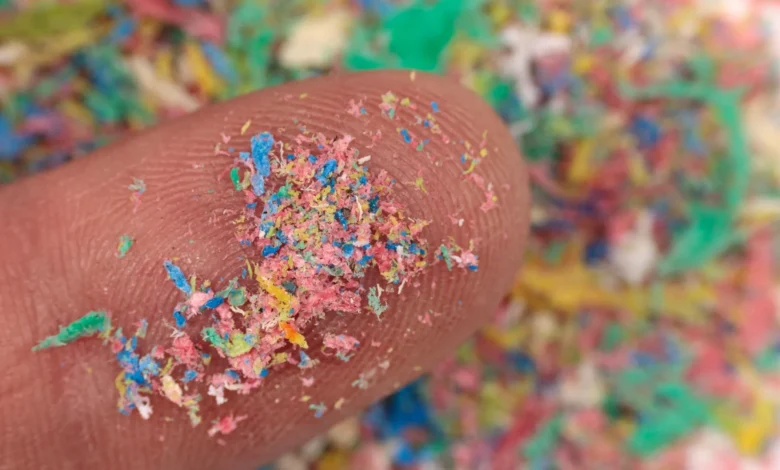
The World Institute of Kimchi (WiKim), an institution operating under the South Korean Ministry of Science and ICT, has released a groundbreaking study revealing that a specific strain of lactic acid bacterium isolated from traditional kimchi possesses the unique ability to bind to nanoplastics within the human intestine, potentially facilitating their excretion and preventing systemic accumulation. This discovery, led by Drs. Se Hee Lee and Tae Woong Whon, offers a novel biological approach to addressing the growing global health crisis surrounding microplastic and nanoplastic contamination.
The Rising Threat of Nanoplastics
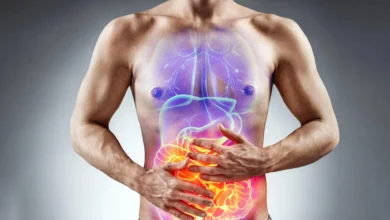
Nanoplastics—defined as plastic particles measuring less than 1 micrometer (μm)—represent a significant, often invisible, challenge to modern public health. Unlike larger microplastics, which are frequently filtered by the body’s primary defense systems, nanoplastics are small enough to cross critical biological barriers. Once they penetrate the intestinal wall, these particles can migrate into the bloodstream, infiltrate organs such as the kidneys and the liver, and even breach the blood-brain barrier.
The prevalence of these particles has increased exponentially over the last several decades due to the degradation of larger plastic debris, including single-use containers, synthetic textiles, and industrial waste. Scientists have documented the presence of plastic particles in drinking water, table salt, seafood, and even bottled water, leading to a state of chronic exposure for the general population. Despite the urgency of the situation, current medical science has lacked effective, non-invasive strategies to neutralize or remove these particles once they enter the gastrointestinal tract.
Research Methodology and Chronology
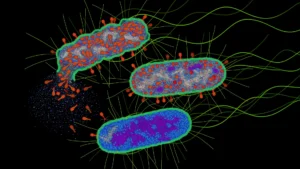
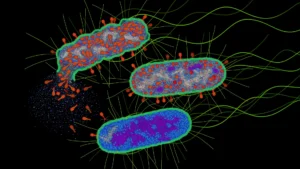
The research conducted at WiKim centered on the strain Leuconostoc mesenteroides CBA3656, a probiotic microorganism identified during a comprehensive screening of kimchi-derived microbial resources. The study, which spanned several months of laboratory analysis and in-vivo testing, followed a rigorous scientific progression:
- Initial Screening: Researchers first evaluated the adsorption capacity of various lactic acid bacteria against polystyrene nanoplastics (PS-NPs) under controlled laboratory conditions.
- Comparative Analysis: The team compared the efficacy of L. mesenteroides CBA3656 against a reference strain, Latilactobacillus sakei CBA3608.
- Simulated Intestinal Modeling: The researchers transitioned from standard lab settings to a simulated human intestinal environment, introducing variables such as varying pH levels, digestive enzymes, and bile salts to mimic the complex reality of human digestion.
- Germ-Free Mouse Model Trials: To validate the findings, the team conducted experiments on germ-free mice. These models were critical for ensuring that the observed results were directly attributable to the introduced bacteria rather than the mice’s existing gut microbiome.
Key Findings: Performance Under Pressure
The most significant breakthrough occurred during the simulated human intestinal environment testing. In standard conditions, both L. mesenteroides CBA3656 and the reference strain L. sakei CBA3608 showed high adsorption efficiencies of 87% and 85%, respectively. However, when subjected to the harsh conditions of the simulated intestine, the reference strain’s performance plummeted to a 3% adsorption rate.
In stark contrast, L. mesenteroides CBA3656 maintained an adsorption efficiency of 57%. This resilience suggests that the kimchi-derived bacteria possess specific surface proteins or structural properties that allow them to remain stable and active in the presence of digestive fluids.
The subsequent animal studies provided the final piece of evidence. Researchers administered the bacteria to a group of germ-free mice and observed the contents of their feces. The results were conclusive: mice receiving the L. mesenteroides CBA3656 treatment showed more than a twofold increase in the excretion of nanoplastics compared to the control group. This indicates that the bacteria effectively bind to the nanoplastics, forming a complex that the body can then safely expel as waste, thereby reducing the net absorption of the particles into the systemic circulation.
Scientific and Industry Reactions
The scientific community has responded with cautious optimism to the findings published by WiKim. Experts in toxicology and nutritional science note that while these results are promising, they represent the preliminary stage of a broader research effort.
"The interaction between probiotics and environmental contaminants is an underexplored field of study," noted one independent researcher. "The idea that a fermented food product, which is already a staple in many diets, could provide a protective barrier against plastic pollution is a compelling example of how traditional knowledge can intersect with modern environmental challenges."
From the perspective of the World Institute of Kimchi, this study is a testament to the untapped potential of kimchi’s diverse microbial landscape. Hae Choon Chang, President of WiKim, emphasized that the institute is committed to identifying the functional properties of these microbes to provide actionable solutions for public health. By framing plastic pollution as both an environmental and a medical concern, WiKim is repositioning kimchi not just as a cultural food item, but as a subject of high-value biotechnological research.
Broader Implications for Public Health
The implications of this research are far-reaching. If these results can be replicated in human clinical trials, it could lead to the development of functional food products or probiotic supplements specifically formulated to assist in the detoxification of plastic-exposed populations.
Furthermore, this study highlights a shift in how researchers approach "micropollutants." Rather than focusing solely on mitigation at the source—which involves global policy shifts regarding plastic production and waste management—scientists are now looking for ways to bolster the human body’s internal defenses. The use of probiotics as a protective barrier represents a proactive, low-risk, and cost-effective strategy.
Challenges and Future Directions
Despite the success of the study, the research team at WiKim acknowledges that several hurdles remain before the findings can be translated into consumer-facing products.
- Clinical Trials: Human-based clinical trials are required to confirm the dosage, safety, and efficacy of L. mesenteroides CBA3656 in a real-world setting.
- Plastic Diversity: The current study focused on polystyrene nanoplastics. Further research is necessary to determine if the bacteria are equally effective against other common types of plastic polymers, such as polyethylene, polypropylene, and polyethylene terephthalate (PET).
- Long-Term Efficacy: Researchers must determine if the bacteria survive long enough in the gut to provide consistent protection, or if daily supplementation would be required.
Dr. Se Hee Lee, the lead researcher, has signaled that the team is already planning the next phase of their investigation. "Plastic pollution is increasingly recognized not only as an environmental issue but also as a public health concern," Dr. Lee stated. "Our findings suggest that microorganisms derived from traditional fermented foods could represent a new biological approach to address this emerging challenge. We will continue to expand the scientific value of kimchi microbial resources to contribute to public health and environmental solutions."
Conclusion: A New Frontier in Microbiome Science
The discovery that a strain of bacteria found in kimchi can effectively bind and assist in the excretion of nanoplastics is a significant milestone in environmental health research. By identifying a natural, biological mechanism to mitigate the accumulation of synthetic particles, the World Institute of Kimchi has opened a new door for preventative medicine.
As the global community continues to grapple with the ubiquity of plastic, the role of the human microbiome in processing and protecting the body from modern pollutants will likely become a primary focus of medical inquiry. The work of Dr. Lee and his colleagues serves as a reminder that the solutions to the most complex modern problems may sometimes be found in the most traditional of sources. Future advancements in this field could lead to a range of therapeutic interventions that prioritize gut health as the first line of defense against the invisible threat of nanoplastics.