Behind the Scenes at the 2026 MTV Video Music Awards: Producer Van Toffler Breaks Down the Night’s Biggest Surprises

The 2026 MTV Video Music Awards (VMAs) delivered a cultural broadcast that successfully bridged generational divides, pulling in its highest television audience since 2015. With 8.43 million viewers tuning in concurrently across CBS and MTV, the ceremony proved that despite changing consumption habits, live televised music events retain a powerful draw. Produced by MTV veteran Van Toffler—who also helmed the previous year’s broadcast—the 2026 ceremony was packed with high-profile moments, unexpected cameos, emotional tributes, and logistical hurdles that kept production teams on edge from the moment the broadcast went live.
In a comprehensive post-mortem interview the morning after the ceremony, Toffler addressed the evening’s most burning questions. From a contentious pre-show scheduling conflict involving an NFL overrun to Madonna’s weed-toking opening sequence, and the notable absence of a live Nirvana performance, the veteran producer offered an inside look at the machinery behind contemporary live television production.
Logistical Hurdles and the NFL Preemption Crisis
The evening began with a wave of widespread confusion among viewers tuning into MTV, many of whom were greeted by an unexpected NFL football game running past its scheduled broadcast window. Because the VMAs aired simultaneously on CBS and MTV, a late-running football game on CBS caused a ripple effect that caught network executives off guard.
According to Toffler, the production itself started strictly on time, but the preceding sports broadcast overran by approximately 20 minutes. While sports overruns are a routine occurrence on a broadcast network like CBS, the transition caused a communication gap for traditional MTV viewers who were unaware they needed to wait for the conclusion of the game. Furthermore, because social media moves faster than traditional broadcast feeds, viewers online began circulating real-time images of Madonna’s opening performance while televisions across the country were still broadcasting sports coverage.
Toffler admitted that the situation created a moment of genuine panic in the production truck, noting that a simple text crawl at the bottom of the screen informing viewers of the delay would have averted widespread confusion. The incident underscored the unpredictable nature of hybrid broadcasting models, where traditional cable networks and major broadcast stations intersect for marquee live events.
Curating a Multi-Generational Lineup: Tributes and Cameos
Despite the opening scheduling hiccup, the 2026 VMAs executed a complex, multi-generational roster of performances that honored music history while showcasing contemporary talent. One of the night’s structural successes was its seamless integration of legacy acts with modern streaming sensations, a feat Toffler attributes to the democratization of music consumption in the streaming era.

The George Michael tribute served as a major highlight of the evening, featuring a faithful collaborative performance by Sombr, Raye, Teddy Swims, and Adam Lambert. Rather than relying on simple nostalgia, the production aimed to recreate the visual and sonic impact of Michael’s seminal eras, complete with archival wardrobe pieces such as Sombr wearing the late singer’s actual jacket. Toffler noted that contemporary streaming habits have effectively eradicated strict generational boundaries among listeners, allowing young audiences to embrace classic catalogs alongside modern releases.
Similarly, a poignant tribute to Dolly Parton featured country star Kacey Musgraves delivering a powerful rendition of "I Will Always Love You." Toffler revealed that the concept originated from an extensive archive of footage provided by Parton’s team. Rather than relying on standard retrospective packages, the production utilized an archival clip of a young Parton hosting a variety show—joking before launching into the song—which then transitioned directly into Musgraves’ live performance. The abrupt, artistic interruption was Musgraves’ own conceptual addition, highlighting the collaborative trust between producers and participating artists.
The Absence of Nirvana and the Ethics of Legacy Tributes
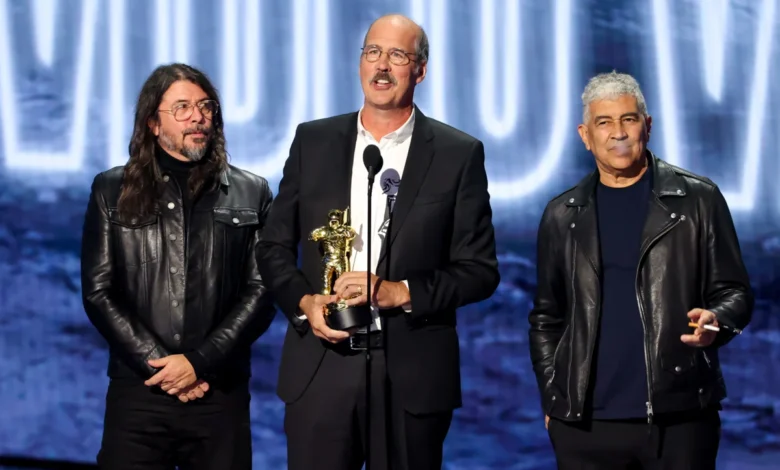
One of the most heavily discussed elements leading up to the ceremony was the decision to honor Nirvana with the Video Vanguard Award through an analytical and visual tribute rather than a live musical performance. Featuring an introductory presentation by Chuck D, the segment focused on the band’s music videos and cultural impact rather than assembling a makeshift lineup of guest vocalists to front the surviving members.
Addressing fan inquiries regarding the lack of a live musical ensemble, Toffler offered a clear philosophical boundary regarding legacy acts. Drawing a parallel to touring configurations of classic rock institutions, Toffler emphasized that Nirvana is inextricably defined by the presence of the late Kurt Cobain. Instead of attempting to replicate the band live, producers opted for a retrospective that prioritized historical accuracy and institutional respect.
Toffler confirmed that the tribute was produced in close collaboration with Courtney Love and Frances Bean Cobain. Both family members reviewed and approved the archival selections, the presentation format, and the choice of presenter, ensuring that the broadcast honored the band’s legacy with complete institutional and familial endorsement.
Madonna’s Collaborative Opener and Surprise Cameos
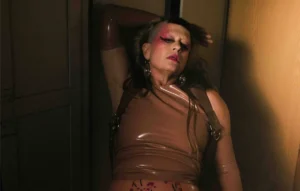
The evening’s opening number, spearheaded by Madonna, set an anarchic and high-energy tone for the night. Designed around the thematic elements of her dance record—inspired by her formative years in New York City’s underground club scene and iconic venues like Danceteria—the performance utilized elaborate set designs, including functional bathroom stalls and customized MTV-to-Madonna logo transformations.
The segment gained immediate viral attention due to a series of unannounced celebrity cameos, including Seth Rogen, Debi Mazar, Andrew Watt, Fab 5 Freddy, and rising artist Sombr. Toffler confessed that many of the cameo selections were coordinated directly by Madonna herself, with appearances like Rogen’s materializing just days before the broadcast. The inclusion of spontaneous props and smoking segments on stage added to the unscripted, rebellious atmosphere that has historically defined Madonna’s relationship with MTV programming.

Taylor Swift’s Historic Night and Directorial Recognition
The 2026 VMAs also marked a historic milestone for Taylor Swift, who expanded her record-breaking collection of accolades by taking home the newly established Artist Director Honors, alongside securing the coveted Video of the Year award for "The Fate of Ophelia."
Toffler addressed the origin of the directing award, clarifying that the concept emerged from internal production evaluations of Swift’s multi-genre visual evolution. Recognizing that Swift operates successfully both in front of and behind the camera, the production team developed the category to validate the cinematic scope of modern music videos, which function increasingly as narrative short films. Swift’s acceptance speech, paired with her choice of presenter Dakota Johnson, underscored the industry’s shifting perception of pop artists as comprehensive visual auteurs.
Risk-Taking and Experimental Performances
Capitalizing on a stable foundation of established mainstream acts, producers utilized the broadcast’s mid-section to take calculated creative risks with experimental artists. A prime example was the high-intensity performance by Swedish artist Yung Lean, which brought underground freneticism to a mainstream television audience.
Initially proposed as a direct replication of the artist’s chaotic viral music video, the staging required careful navigation of broadcast standards. When network restrictions precluded the use of live smoking props on stage, the production pivoted creatively by substituting a cigarette with an ice cream cone shoved directly into the camera lens, immediately followed by punk musician Pat Smear walking onstage to light a cigarette. This balancing act between avant-garde performance art and live television compliance highlights the unique tightrope walk required of modern award show producers.
Broader Industry Implications and the Future of Live TV
As television ratings for award shows have experienced significant volatility over the past decade, the 2026 VMAs’ strong performance—capturing 8.43 million viewers—signals a potential stabilization for major live music broadcasts. By successfully merging legacy acts with digital-first creators, the production demonstrated that traditional broadcast networks and digital platforms can co-exist to drive massive live engagement.
Reflecting on the longevity of the format, Toffler expressed cautious optimism regarding the future of live music television. Emphasizing the distinction between scripted cinema and the unpredictable nature of live musical performance, Toffler concluded that the core appeal of the medium remains rooted in giving talented, individualistic artists the technological resources and spatial freedom to execute their creative visions in real time. Whether the VMAs will maintain this specific trajectory for future iterations remains undetermined, but the 2026 ceremony successfully proved that the format can still command a massive, unified global audience.