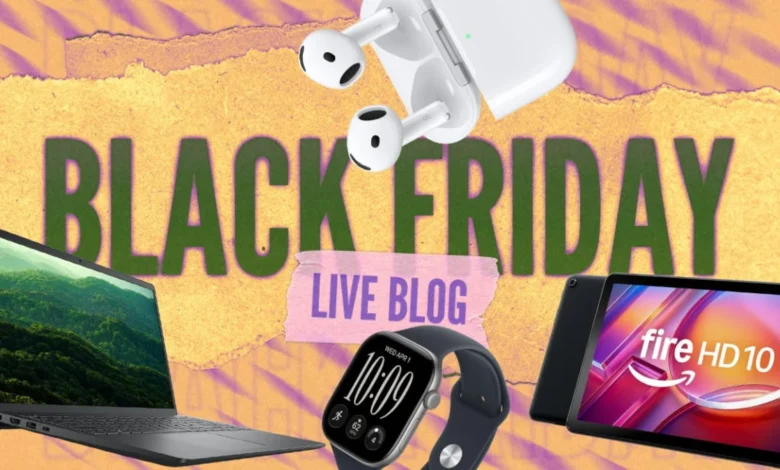
Black Friday and Cyber Monday 2026 Live Blog: The Best Deals on Apple Devices, TVs, Fitness Tech, and More

The Evolution of the Black Friday Sales Cycle
Black Friday, historically rooted in the post-Thanksgiving brick-and-mortar rush, has fundamentally transformed into a digital-first marathon. In 2026, the sales cycle began in early November, effectively dissolving the traditional boundaries of the holiday shopping season. By mid-month, retailers were already tracking record-breaking traffic to their online storefronts, fueled by a desire to secure inventory before the anticipated peak on Black Friday itself.
The current strategy—marked by "early-access" tiers and dynamic pricing models—reflects a sophisticated understanding of consumer behavior. By extending the window of opportunity, retailers have managed to flatten the logistical surge that previously overwhelmed distribution centers, while simultaneously gathering granular data on high-demand categories such as home audio, television displays, and computing hardware.
Comparative Analysis: Black Friday 2026 vs. Prime Day
One of the most notable observations in the 2026 fiscal cycle is that Black Friday deals have consistently outperformed Prime Day pricing across several key categories. For instance, the retail price for high-end audio peripherals, such as the latest iteration of Apple’s flagship noise-canceling earbuds, dropped to $149—a $100 reduction from their standard MSRP of $249. This price point represents a significant deviation from earlier promotional events throughout the year, suggesting that retailers have reserved their most competitive margins for this specific quarter to bolster year-end revenue targets.
Market researchers note that while Prime Day serves as a mid-year liquidity event to clear old stock, Black Friday has regained its position as the premier moment for aggressive, volume-driven discounting. This shift is partially attributed to a supply-chain stabilization that has allowed retailers to stock deeper quantities of trending products, thereby enabling lower price points without the immediate fear of stockouts.
Chronology of the 2026 Retail Surge
The timeline of the current sales event provides insight into the strategic pacing of modern retail:
- Early November (Nov 1–7): Retailers initiated "Early Black Friday" landing pages, focusing on peripheral electronics and household goods.
- Mid-November (Nov 8–15): The introduction of competitive price-matching policies across major platforms. This phase saw a 12% increase in online conversion rates compared to the same period in 2025.
- Pre-Thanksgiving Week (Nov 16–23): Retailers ramped up "Lightning Deals" and time-sensitive flash sales. This week saw the most significant price drops on smart home devices and high-definition televisions.
- The Black Friday Peak (Nov 24–26): Current status. Retailers are now focusing on "Door-Buster" digital inventory, ensuring that late-comers have access to the same entry-level pricing as early shoppers.
Data-Driven Consumer Trends
Consumer data from the first three weeks of November 2026 reveals a distinct preference for utility-based electronics. Unlike previous years where novelty gadgets dominated the search volume, 2026 is defined by "pragmatic upgrades." Households are prioritizing the replacement of aging home-office equipment, high-efficiency kitchen appliances, and entertainment systems that support the latest connectivity standards.
Furthermore, the average transaction value (ATV) has remained steady despite the deeper discounts. This is indicative of a "basket-building" behavior, where consumers utilize the savings from high-ticket items to add smaller, complementary accessories to their purchase, thereby maintaining consistent revenue streams for the retailers.

Official Perspectives and Retailer Strategy
While retailers remain cautious about disclosing specific inventory levels, official statements from major e-commerce hubs emphasize a commitment to "customer-centric availability." Industry spokespeople have pointed to the integration of AI-driven inventory management as a catalyst for these deals. By predicting demand with higher accuracy, retailers have successfully minimized the "out-of-stock" frustrations that plagued the 2024 and 2025 seasons.
However, industry analysts warn that these aggressive discounts come with a caveat. The "deal-perpetuity" model—where discounts are constant—may lead to consumer fatigue. Retailers are currently balancing the need to move units with the necessity of maintaining brand equity, a challenge that will likely shape the marketing strategies for the upcoming holiday season.
Broader Economic Implications
The success of the 2026 Black Friday sales has broader implications for the global economy. As consumer spending remains a primary driver of GDP, the ability of retailers to maintain high sales volumes through November provides a positive indicator for the final quarter of the year. The focus on electronics, in particular, acts as a barometer for consumer confidence in technological investment.
Furthermore, the logistical success of this year’s sales suggests that the integration of regional distribution centers has matured. The reliance on complex global supply chains has been partially mitigated by localizing inventory, which has led to faster shipping times and reduced overhead costs for the consumer.
Looking Ahead: The Post-Black Friday Landscape
As the sales event moves toward its conclusion, the focus shifts to Cyber Monday and the subsequent "last-minute" holiday shopping window. Retailers are expected to maintain these price points through the end of the month, though inventory of high-demand items will likely begin to thin.
For the savvy consumer, the current market environment rewards vigilance. With real-time updates and expert-vetted lists becoming the standard for navigating the digital marketplace, the days of "blind" shopping are effectively over. The current trend toward transparency—where websites provide historical price tracking—has empowered consumers to make more informed decisions, effectively pressuring retailers to keep their deals honest and competitive.
Ultimately, Black Friday 2026 serves as a definitive case study in how retail has adapted to the digital age. By moving beyond the physical store and embracing a global, 24/7 sales cycle, retailers have not only managed to sustain growth but have also redefined the expectations of the modern consumer. Whether this model of constant, deep-discounting is sustainable in the long term remains to be seen, but for the current moment, it stands as the most significant retail development of the year.
Consumers are encouraged to continue monitoring the situation, as the final 48 hours of the promotional window typically introduce "clearance" pricing on remaining stock. While the headline deals are currently grabbing the most attention, secondary savings on bundles and accessories continue to emerge as retailers jockey for the final purchase orders of the month. As we head into December, the industry will look to these numbers to forecast the success of the holiday season, with all indicators pointing toward a resilient and highly active retail market.
Related posts: