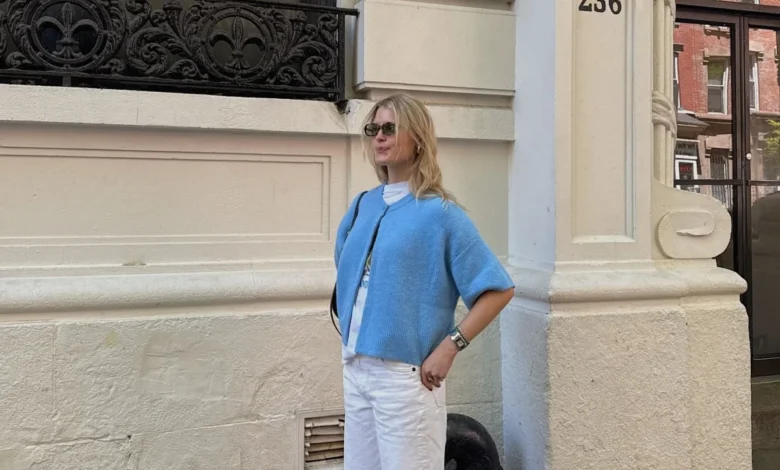
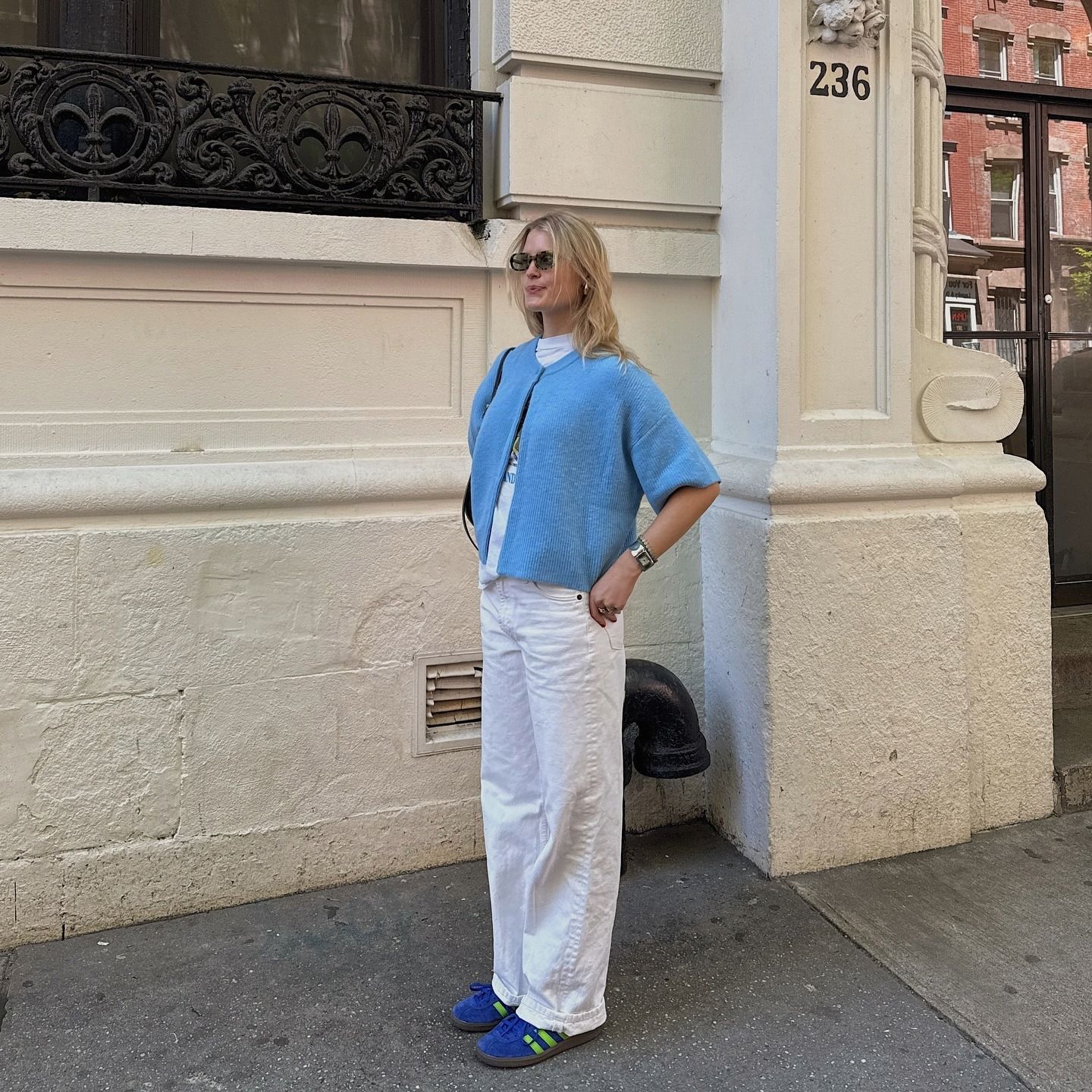
The intersection of high fashion and athletic footwear has undergone a profound transformation over the past decade, with sportswear giants increasingly claiming territory in major metropolitan style capitals. Among these brands, Adidas AG has successfully anchored its presence within contemporary wardrobes, shifting from traditional athletic wear to an undisputed staple of urban fashion. In bustling hubs such as New York City and London, where daily commutes demand a balance of practicality and aesthetic appeal, the German multinational corporation’s low-profile sneakers have become ubiquitous. Far from being a reluctant compromise between comfort and style, trainers have evolved into the centerpiece of modern metropolitan dressing. While enduring classics like the Samba and the Handball Spezial continue to drive massive consumer demand, newer iterations such as the Tokyo Mary Jane and the Taekwondo Mei Ballet shoes demonstrate the brand’s ability to pivot toward avant-garde hybrid trends, capturing the attention of trendsetters and driving rapid sell-out cycles across global markets.
The Historical Evolution of Terrace Culture and Low-Profile Footwear
The current dominance of Adidas lifestyle footwear is deeply rooted in decades of European sports and subcultural history. Long before capturing the imaginations of runway stylists and street-style photographers, silhouettes like the Samba were engineered for specific athletic endeavors. Introduced in the early 1950s, the Samba was originally designed to provide traction on icy football pitches. Over subsequent decades, however, the shoe migrated away from the turf and into British stadium terraces, becoming a foundational uniform component for the burgeoning football casual subculture of the late 1970s and 1980s.
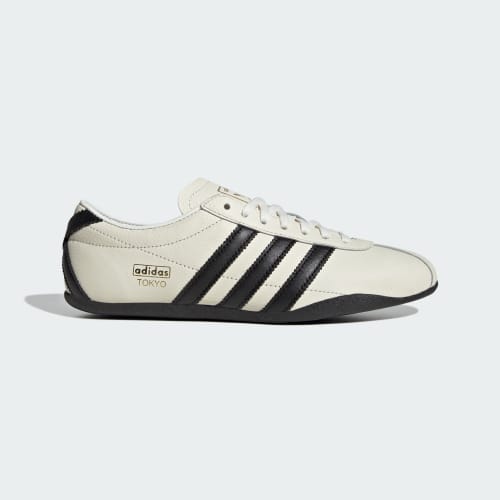
Parallel to the Samba, models such as the Handball Spezial and the Tokyo—developed for indoor sports and international competition respectively—gained traction for their sleek, streamlined profiles and rich suede construction. These archival designs shared a distinct design philosophy: a low-to-the-ground sole, contrasting serrated three-stripes, and a T-toe overlay.
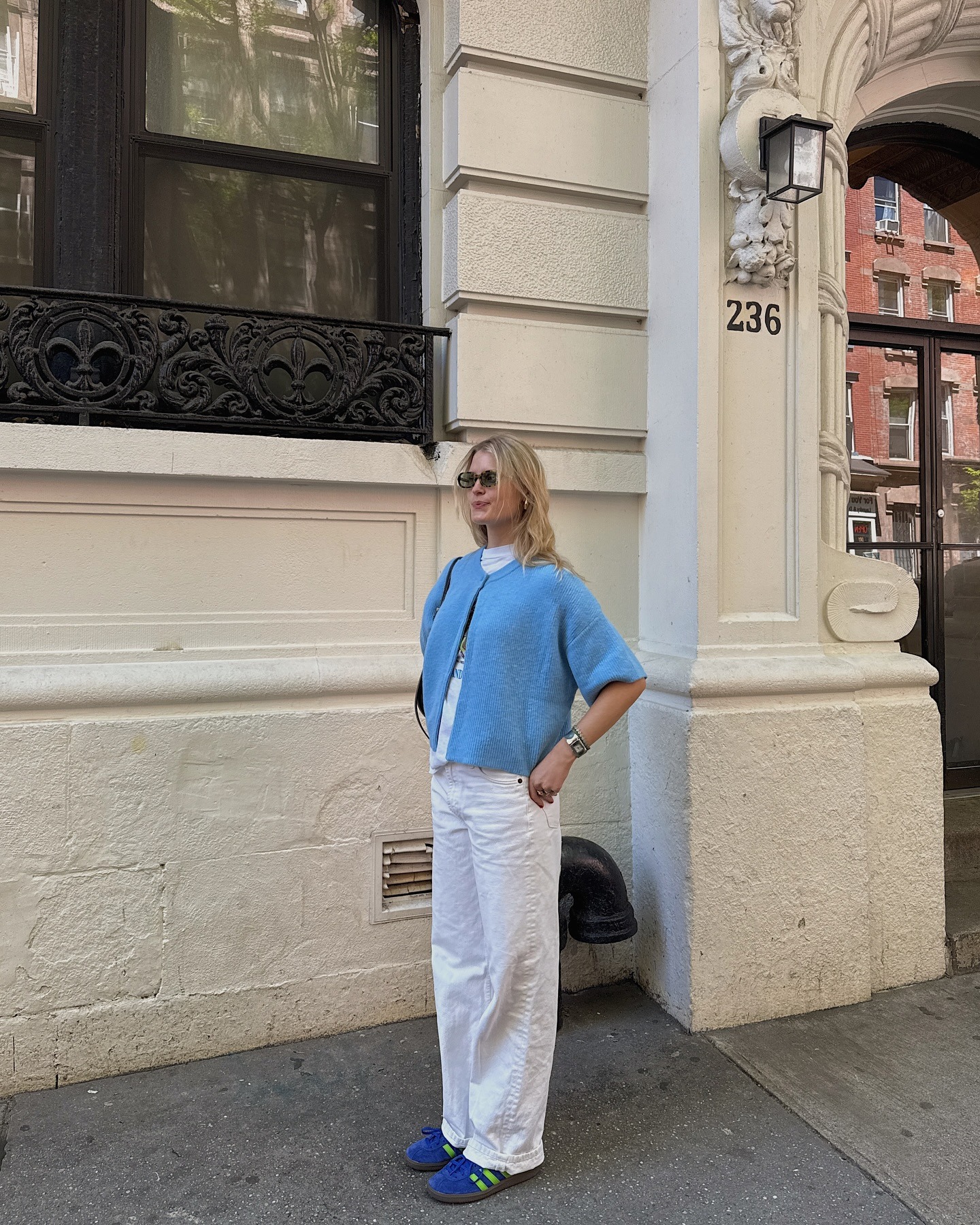
For many years, these models remained niche favorites among vintage collectors and subcultural enthusiasts. However, a confluence of post-pandemic comfort priorities, the cyclical nature of fashion trends, and strategic celebrity endorsements catapulted these archival indoor training shoes from obscurity to global mainstream prominence. Industry analysts note that consumers increasingly favor minimalist, heritage-inspired silhouettes over the chunky, maximalist "dad shoe" trend that dominated the late 2010s. This aesthetic shift provided the ideal opening for Adidas’s heritage catalog to reclaim market share.
Expanding the Footprint: Hybrids and New Silhouettes
Capitalizing on the sustained momentum of low-profile trainers, Adidas has systematically expanded its lifestyle catalog by introducing boundary-pushing hybrid designs that merge athletic heritage with traditional dress shoe aesthetics. The introduction of silhouettes like the Tokyo Mary Jane and the Taekwondo Mei Ballet shoes marks a strategic diversification of the brand’s portfolio.
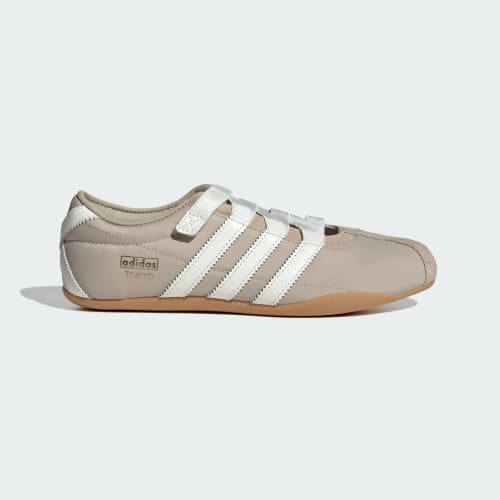
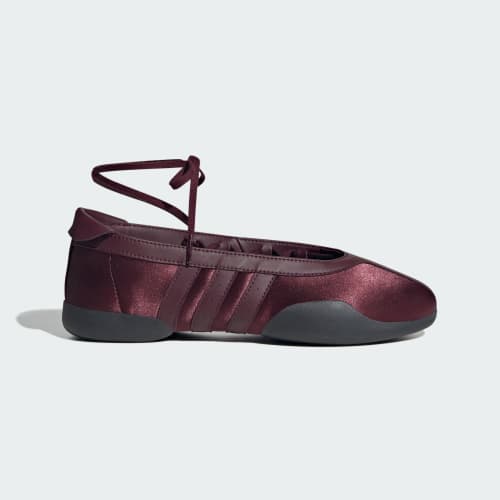
The Tokyo Mary Jane reinterprets the classic athletic chassis through the lens of traditional women’s footwear, incorporating a characteristic midfoot strap while maintaining the brand’s signature sporty DNA. Similarly, the Taekwondo Mei Ballet shoe leans into the burgeoning "balletcore" movement, offering a sleek, minimalist slip-on profile constructed from satin and soft leathers. Available in sophisticated colorways such as silky burgundy and light taupe, these models cater to a demographic seeking femininity and grace without sacrificing the ease associated with flat footwear.
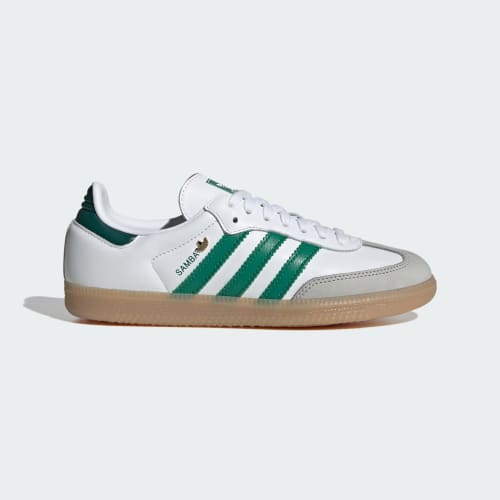
Simultaneously, traditional icons continue to receive modern updates. The Samba OG and Handball Spezial lines have been refreshed with seasonal colorways, ranging from subtle pastel blush tones to rich chocolate browns, and accented with contrasting laces or distinctive green stripes. This iterative design approach allows the brand to maintain the core appeal of its heritage products while offering fresh incentives for collectors and fashion enthusiasts to continuously update their wardrobes.
Market Dynamics and Supply Chain Pressures
The surging popularity of these specific Adidas silhouettes has created distinct economic and supply chain dynamics, characterized by high demand, limited stock availability, and a thriving secondary resale market. Unlike mass-market running shoes designed primarily for high-performance training, lifestyle models like the Samba, Spezial, and specialized ballet hybrids are often produced in calculated quantities to preserve an air of exclusivity.
Retail data from various global fashion marketplaces indicates that certain colorways and hybrid models routinely sell out within minutes of being restocked. This scarcity model drives significant organic marketing through social media platforms, where consumers share styling tips, track restock schedules, and document their hunt for hard-to-find sizes. Consequently, the brand benefits from a continuous loop of earned media and heightened consumer anticipation.
Retail analysts point out that this scarcity-driven model helps protect profit margins and elevates the brand’s perceived value within the highly competitive lifestyle footwear sector. By positioning specific retro and hybrid models as coveted accessories rather than mere commodities, Adidas has successfully cultivated a halo effect that lifts sales across its broader product ecosystem.
Cultural Implications and the Future of Urban Footwear
The ongoing dominance of Adidas sneakers in major fashion capitals reflects a broader cultural shift toward pragmatic luxury and gender-fluid dressing. In contemporary professional and social environments, the rigid dress codes of the past have largely dissolved, replaced by a hybrid aesthetic that seamlessly blends tailored garments with casual sportswear.
A tailored wool coat paired with wide-leg trousers and low-profile trainers is no longer viewed as a stylistic contradiction, but rather as the uniform of the modern urbanite. This stylistic flexibility addresses the practical demands of navigating dense urban environments via public transportation and walking, while still meeting the rigorous visual standards of the fashion industry.
Looking ahead, industry experts anticipate that the demand for archival revivals and functional hybrid footwear will remain robust. As consumers increasingly prioritize versatility, durability, and historical authenticity in their purchasing decisions, brands with deep archival reserves are exceptionally well-positioned to maintain their market leadership. For Adidas, the challenge moving forward will lie in balancing the delicate equilibrium between mass accessibility and subcultural cachet, ensuring that its most iconic silhouettes—and its daring new experiments—continue to resonate with the next generation of global style leaders.