
Britains Transgender Stand Ups Find Comedy In A Hostile Climate
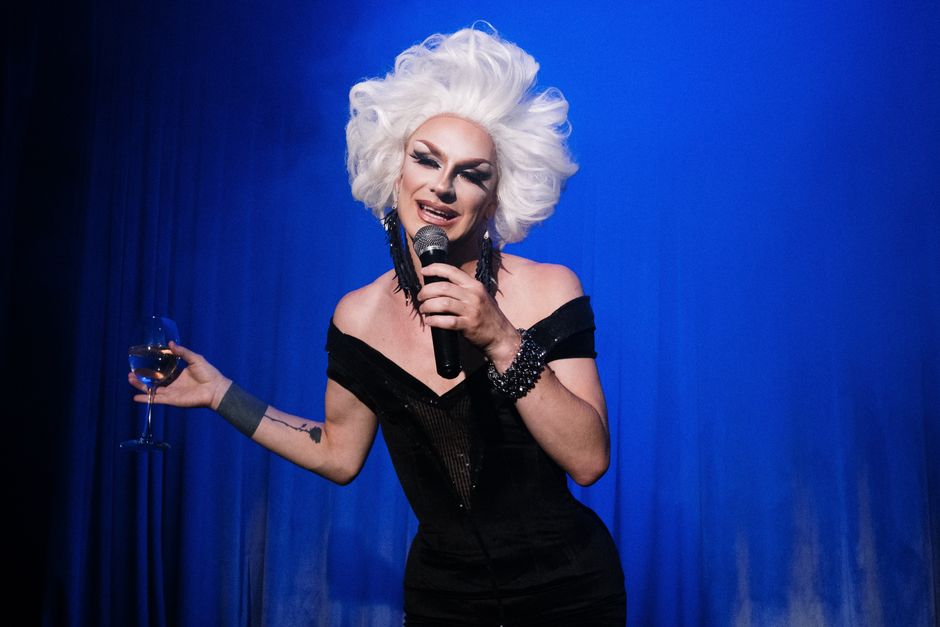
Britain’s Transgender Stand-Ups: Finding Laughter and Resilience in a Hostile Climate
The landscape of British comedy, long a bastion of observational wit and sharp social commentary, is increasingly being populated by transgender voices. These comedians, navigating a society often characterized by hostility and misunderstanding towards transgender individuals, are not only carving out their own comedic niches but are actively using their platforms to challenge norms, foster empathy, and find profound humor in the very challenges they face. Their work is a testament to resilience, a powerful indictment of prejudice, and a vital contribution to the evolving tapestry of British stand-up. The current climate, marked by intense media scrutiny, political debates often tinged with animosity, and a surge in anti-trans rhetoric, presents a unique and often daunting environment for any performer. Yet, it is precisely within this crucible that trans comedians are forging their art, demonstrating an extraordinary ability to transmute adversity into astute, incisive, and often uproarious comedy.
The inherent vulnerability of being transgender in a public-facing profession like stand-up is amplified by the prevailing societal discourse. Each joke, each anecdote, can be a tightrope walk, balancing the personal truth of their lived experience with the need to connect with a broader audience. This is not merely about personal catharsis; it’s about strategically dismantling stereotypes and humanizing a group often dehumanized by sensationalist headlines and prejudiced pronouncements. Comedians like Kai Samra, with their sharp observations on identity and societal expectations, or Jenny Eclair, a veteran who has embraced and spoken openly about her own experiences, exemplify how different generations and backgrounds of trans performers are approaching this. Their sets are not simply lists of grievances; they are meticulously crafted narratives that weave personal anecdotes with universal themes of belonging, self-discovery, and the absurdity of human behavior. The act of standing on stage, under bright lights, and sharing intimate details of one’s journey requires immense courage, particularly when that journey has been met with resistance and discrimination.
The comedic material for trans stand-ups often draws directly from the lived realities of navigating a cisnormative world. This can range from the mundane, yet often absurd, experiences of misgendering and deadnaming, to the more profound challenges of accessing healthcare, dealing with bureaucratic hurdles, and confronting societal prejudice. The humor arises from the incongruity between the performer’s authentic self and the world’s often ill-informed or prejudiced reactions. It’s about finding the funny in the frustrating, the ridiculous in the discriminatory. For instance, a comedian might recount a hilariously awkward encounter with a well-meaning but clueless acquaintance, or dissect the nonsensical arguments peddled by anti-trans activists, turning their logical fallacies into punchlines. This strategy of using personal experience as comedic fodder is not unique to trans comedians, but for them, it carries an added layer of defiance and empowerment. It’s a reclaiming of narrative, a refusal to be defined solely by the struggles imposed upon them.
The impact of contemporary media coverage on the lives of transgender people cannot be overstated, and trans comedians are acutely aware of this. They often address the often-sensationalized and biased portrayals of transgender individuals in news outlets and popular culture. By offering their own perspectives, they disrupt these dominant narratives, injecting nuance and personal truth into conversations that are frequently dominated by speculation and misinformation. Their jokes can serve as a powerful counter-narrative, highlighting the diversity within the trans community and challenging monolithic, often negative, stereotypes. This is a form of activism through laughter, a way of chipping away at prejudice by humanizing their experiences and exposing the absurdity of the anti-trans agenda. The comedian’s stage becomes a platform for education, delivered with wit and charm, making complex issues accessible and relatable to a wider audience.
The rise of trans comedians in the UK is also intertwined with broader conversations about representation and inclusivity in the arts. For a long time, trans characters in media were either non-existent, portrayed as objects of pity or ridicule, or relegated to tragic storylines. The emergence of trans performers telling their own stories, on their own terms, marks a significant shift. It’s about challenging the gatekeepers and demanding space for authentic voices. This visibility not only provides entertainment but also serves as inspiration for other aspiring trans performers and for young trans people who see themselves reflected on stage. The act of taking up space in a comedy club, a traditionally boisterous and often challenging environment, is itself a powerful statement of presence and belonging.
Furthermore, the comedic styles of trans comedians are as diverse as the individuals themselves. There is no single "trans comedy" genre. Instead, one finds a spectrum of approaches, from the deeply personal and confessional to the political and observational, from the absurd and surreal to the dry and sardonic. Some comedians lean into their trans identity as a central theme, exploring the unique challenges and joys of their journey. Others may touch upon their trans experience more subtly, integrating it into broader commentary on society, relationships, or everyday life. This diversity is crucial, as it prevents the reduction of trans identity to a single comedic trope and allows for a more authentic and nuanced portrayal of trans lives. It demonstrates that transgender people are not a monolith but individuals with a wide range of experiences and comedic sensibilities.
The hostility of the climate often manifests in online abuse and targeted harassment, issues that trans comedians are increasingly vocal about. Their willingness to share these experiences, often with a darkly humorous edge, highlights the psychological toll of living under constant scrutiny and attack. By refusing to be silenced by this negativity, they demonstrate a remarkable resilience that often fuels their comedy. The ability to find humor in the face of such adversity is not a sign of insensitivity, but rather a profound strength, a coping mechanism, and a deliberate act of defiance. It is a way of saying, "You will not break me, and I will find joy and laughter in my existence, regardless of your attempts to diminish it." This resilience can be incredibly inspiring to others who are also facing prejudice and discrimination.
The British comedy circuit, while often perceived as progressive, can still be a challenging space for marginalized voices. However, the growing success and visibility of trans comedians indicate a gradual, albeit sometimes grudging, shift. These performers are not just surviving; they are thriving, building followings, and earning critical acclaim. Their presence forces audiences to confront their own biases and to engage with perspectives they might not otherwise encounter. The laughter generated in these comedy clubs is not just an escape; it is a form of communal processing, a shared experience that can foster understanding and empathy. The challenges are ongoing, and the fight for true inclusivity continues, but the increasing presence and impact of transgender stand-up comedians in Britain represent a significant and inspiring chapter in the nation’s comedic and social history. Their ability to find comedy in a hostile climate is a powerful testament to the enduring human spirit and the transformative power of laughter.
