Dave Franco Makes Rare Public Comments About His Brother James Franco And The Path To Establishing His Own Identity In Hollywood

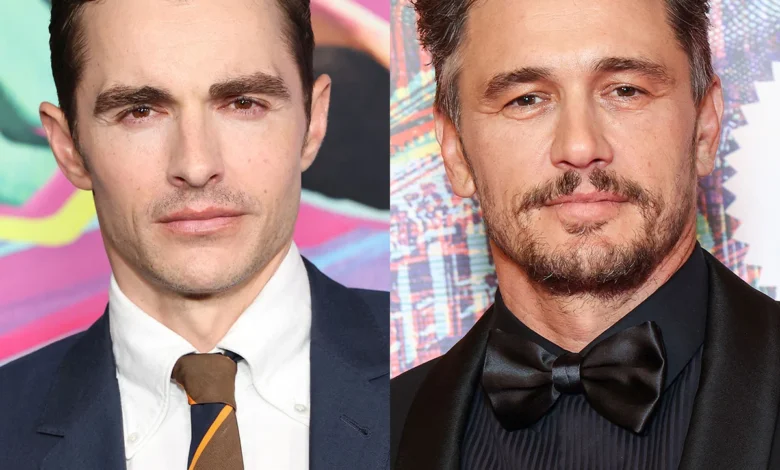
For actor, writer, and director Dave Franco, the early years of his professional career were defined by a shadow he actively sought to step out of. As the younger brother of established Hollywood star James Franco, Dave faced the dual challenge of benefiting from industry connections while desperately wanting to prove his own artistic validity. In recent media appearances, including candid discussions on Dax Shepard’s Armchair Expert podcast and Alex Cooper’s Call Her Daddy, Dave has opened up about the complexities of sibling dynamics in the entertainment industry, the deliberate steps he took to forge an independent career, and where things stand today between the two brothers.
The journey has not been straightforward. While Dave has consistently acknowledged his older brother’s talent and the initial guidance he received, he has also been transparent about the immense pressure of living up to a high-achieving sibling. For years, the narrative surrounding Dave Franco was inextricably linked to James, an Oscar nominee known for critically acclaimed performances in films such as 127 Hours and Milk. However, through a diverse filmography spanning comedies, horror, and drama, as well as branching out into writing and directing—often alongside his wife, actress Alison Brie—Dave has firmly established his own distinct brand within the cinematic landscape.
Navigating the Early Years and the Shadow of a Famous Sibling
Growing up in Palo Alto, California, Dave Franco did not initially envision a career in the performing arts. As a teenager, his introduction to cinema came simply through working at a local video store, where his appreciation for film began to take root. When he eventually followed James to Los Angeles to attend the University of Southern California (USC), he was encouraged by his brother’s management team to try an acting class.
By his own admission, Dave was profoundly shy at the time and had zero prior performance experience. His early days in acting classes were marked by intense anxiety and discomfort. Every time he stepped onto a stage, overwhelming nervousness would take over. Yet, recognizing that this environment served as a literal gateway into the entertainment industry, he made a conscious decision to push through the discomfort.
When he began actively auditioning for professional roles, the reality of his familial connection immediately became apparent. Industry executives and casting directors were frequently more interested in talking about James than evaluating Dave on his own merits. Understanding the potential trap of being permanently pigeonholed as "James Franco’s little brother," Dave made a deliberate choice to distance himself from his brother professionally during the early stages of his career.
He sought out independent roles, taking on minor parts in commercially successful projects like Superbad (2007) and television series like Scrubs, gradually building a resume through perseverance rather than nepotism. In subsequent interviews, he has emphasized that no one would have hired him simply on the basis of his last name if his performances were subpar, noting that an incompetent actor would quickly wash out of the industry regardless of familial ties.
Gradual Collaboration and Mutual Respect
As Dave Franco’s career gained momentum, the strategy of professional separation proved successful. He built a reputable filmography featuring diverse projects, including 21 Jump Street, Warm Bodies, Now You See Me, and the Neighbors franchise. By deliberately avoiding major professional collaborations with James for years, Dave successfully cultivated an identity entirely separate from his sibling.
The turning point arrived in 2017 with the biographical comedy-drama The Disaster Artist, directed by and starring James Franco. The film chronicled the making of Tommy Wiseau’s cult classic The Room and featured Dave in a prominent role alongside his brother. The project also included their other brother, Tom Franco, as well as Alison Brie and longtime collaborator Seth Rogen.
Reflecting on the decision to finally work alongside James, Dave explained that enough time had passed for him to firmly establish his own professional footing. By 2017, he no longer feared being overshadowed by his brother’s reputation. Instead, he recognized that they shared creative sensibilities, and the dynamic of the film offered a unique, rewarding on-set experience.
The collaboration was warmly received by critics and audiences alike. The pinnacle of this professional alignment occurred during the 2018 Golden Globe Awards, where James Franco won the award for Best Actor in a Motion Picture – Musical or Comedy for his portrayal of Tommy Wiseau. During his acceptance speech, James emotionally acknowledged Dave, stating that he had finally found his own "Coen brother" to collaborate with, expressing deep affection for his sibling.
The Impact of Controversy and Maintaining Professional Independence
The celebration surrounding the Franco brothers was short-lived. Just days after the 2018 Golden Globe ceremony, amid heightened public scrutiny surrounding industry accountability and the Time’s Up movement, the Los Angeles Times published an investigative report detailing allegations of sexual misconduct and exploitative behavior against James Franco by former students and associates.
The fallout was substantial. In 2019, two former students from Studio 4, the acting school founded by James Franco, filed a class-action lawsuit against him and his partners, alleging fraud and sexual misconduct. For years, James maintained public silence regarding the accusations, while his legal representation categorically denied all wrongdoing.
In 2021, James and the other defendants reached a settlement agreement, agreeing to pay $2.2 million to resolve the lawsuit. Later that year, James broke his four-year public silence in an interview on The Jess Cagle Podcast, acknowledging that he had engaged in consensual sexual relationships with students from his acting school, admitting that doing so was an error in judgment.
Throughout this turbulent period, Dave Franco maintained his professional focus, continuing to act, write, and direct without publicly commenting on the legal and personal controversies surrounding his brother. Industry analysts noted that Dave’s long-standing effort to build an autonomous career shielded him, to a significant degree, from being professionally derailed by his brother’s legal troubles. By deliberately spending over a decade establishing his own professional identity, Dave ensured that his career trajectory remained tethered to his own body of work rather than the actions of family members.
Chronology of Key Events
- Early 2000s: Dave Franco moves from Palo Alto to Los Angeles to attend USC, subsequently taking up acting classes upon the recommendation of James Franco’s management team.
- 2007: Dave secures a role in the comedy hit Superbad, marking a notable step in his early screen career.
- 2012–2014: Dave builds mainstream recognition through supporting roles in 21 Jump Street, Warm Bodies, and Neighbors, systematically distancing himself from professional collaborations with James.
- 2017: The brothers finally share the screen in The Disaster Artist, directed by James and starring Dave, receiving widespread critical praise.
- January 2018: James Franco wins a Golden Globe for The Disaster Artist, publicly thanking Dave during his acceptance speech; days later, the Los Angeles Times publishes allegations of sexual misconduct against James.
- 2019: A civil lawsuit is filed against James Franco by former students of his Studio 4 acting school.
- 2021: James Franco settles the civil lawsuit for $2.2 million and subsequently breaks his public silence regarding his conduct with students.
- 2024–2025: Dave Franco reflects on his career trajectory in prominent interviews, noting that he has successfully carved out his own distinct path in the entertainment industry while maintaining a supportive relationship with his family.
Broader Implications for Industry Nepotism and Individual Agency
The career trajectory of Dave Franco offers a compelling case study in the broader discourse surrounding nepotism, family connections, and individual merit in Hollywood. Often discussed under the modern internet moniker of "nepo babies," second-generation or sibling-connected actors frequently face intense scrutiny regarding the legitimacy of their success.
Media analysts frequently point to Dave Franco as an example of how initial access can be granted through familial proximity, but longevity ultimately depends on individual execution. By recognizing early on that industry doors opened by his brother would not keep him employed if his performances lacked substance, Dave adopted a rigorous approach to his craft. His transition into writing and directing—further solidified by creative partnerships with his wife, Alison Brie—demonstrates a diversification of skills that insulates artists from the fickle nature of star-system casting.
Ultimately, Dave Franco’s current standing in the entertainment industry reflects a delicate balance: acknowledging the foundational support and talent of his older brother while firmly claiming ownership of a distinct cinematic identity built through decades of steady, independent work.