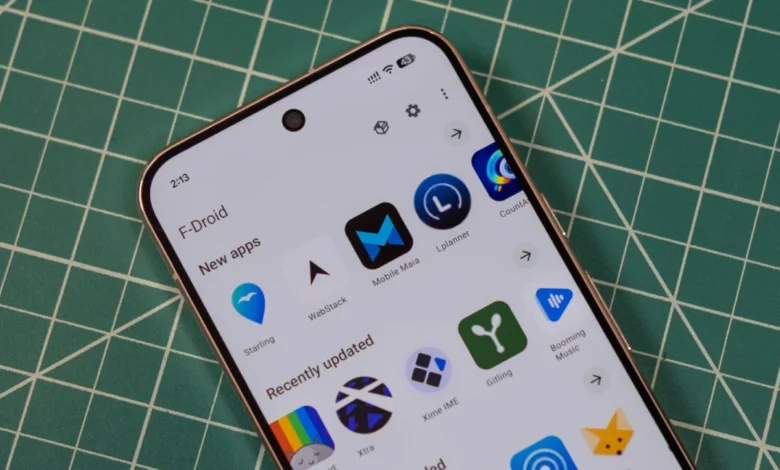
For over a decade, the F-Droid client has served as the primary gateway for users seeking to bypass the Google Play Store in favor of free and open-source software (FOSS). While the platform has successfully curated a repository of thousands of privacy-respecting applications, its aging interface had become a point of friction for modern Android users accustomed to the polished aesthetic of contemporary mobile software. After years of development, the F-Droid team has officially launched version 2.0, a comprehensive rewrite that promises to modernize the experience of discovering, managing, and installing open-source applications on the Android operating system.
A Decade of Technical Debt and the Shift to Kotlin
The original F-Droid client was built for a different era of Android, reflecting design paradigms that have since been deprecated. Over the last ten years, the repository grew significantly in scope, but the underlying application remained largely tethered to its legacy architecture. The decision to initiate a complete rewrite was driven by the necessity to move toward modern development standards.
The F-Droid 2.0 client has been rebuilt from the ground up using Kotlin Compose, Google’s declarative UI toolkit that has become the industry standard for Android application development. This transition is not merely cosmetic; it fundamentally changes how the app renders data, manages state, and interacts with the device’s hardware. By moving to Compose, the developers have eliminated much of the technical debt that hindered the responsiveness of previous iterations. The new client feels native to the modern Android ecosystem, offering fluid animations, improved touch latency, and support for Material You dynamic theming, which allows the application to adapt its color palette to the user’s wallpaper and system settings.
Chronology of the Development Cycle
The path to F-Droid 2.0 was marked by extensive community feedback and iterative beta testing. The project, which spanned several years, faced the unique challenge of maintaining stability for millions of users while refactoring the core codebase.
- 2014–2017: The legacy client receives incremental updates but remains focused on functionality over design, leading to a growing gap between F-Droid and the broader Android UI ecosystem.
- 2018–2020: Early discussions regarding a modularized, modern client begin within the F-Droid contributor community. Initial prototypes using early versions of Jetpack Compose emerge.
- 2021–2023: The "F-Droid 2.0" initiative is officially prioritized. The team focuses on decoupling the repository management logic from the UI layer to allow for easier future updates.
- 2024: The beta phase commences, with the team soliciting feedback from power users regarding search performance and installation workflows.
- September 2025: Following a period of rigorous stress testing against various Android versions—from Android 10 through the latest releases—the team confirms the official rollout of the 2.0 architecture.
Enhancing Discovery in an Expanded Repository
One of the primary criticisms of earlier F-Droid versions was the difficulty of navigating its massive, ever-growing repository. With thousands of applications available, the previous search and category structure often felt rudimentary. F-Droid 2.0 addresses these pain points by implementing a more sophisticated search engine and a revamped taxonomy.
The new client features a "Discover" page that acts as a curated landing zone, moving beyond a simple list of recent updates. This page categorizes applications into functional groups—such as encrypted messaging, password management, VPNs, and system tools—providing users with a logical entry point for finding software that meets specific needs. Furthermore, the search functionality has been enhanced to index app descriptions and metadata, rather than relying solely on titles. This change is critical for users who may not know the specific name of an app but are searching for a specific feature, such as "offline mapping" or "open source browser."
Improving the User Experience through API Integration
Historically, the process of installing an app from F-Droid was cumbersome. Because F-Droid operates outside of the Google Play Store’s walled garden, it is subject to the security restrictions that Google imposes on "sideloading." In previous versions, users were forced to download an APK, manually grant the "Install from unknown sources" permission, and navigate through multiple system-level security prompts.
F-Droid 2.0 leverages Google’s existing pre-approval APIs to streamline this workflow. While it does not bypass the necessary security checks required by Android, it integrates them more cleanly into the app’s installation flow. When a user taps "Install," the application now triggers a native system dialogue that requests permission to install the package directly, reducing the number of steps required compared to the manual file-management approach. While still requiring one more interaction than the "one-tap" install experience on the Play Store, this improvement brings the open-source experience closer to the standards set by proprietary app stores, effectively lowering the barrier to entry for casual users.
The Broader Context: Security and Sideloading
The launch of F-Droid 2.0 occurs against a backdrop of increasing friction between independent app stores and major mobile operating system providers. Google has been progressively tightening its control over the Android ecosystem, citing security concerns as a primary justification for limiting the reach of sideloaded applications. The introduction of Google’s "developer verification" system, which aims to further scrutinize third-party software, has created a challenging environment for open-source repositories.
F-Droid has consistently argued that its security model—which involves building apps from source code on its own infrastructure—is actually more transparent than the opaque verification processes of the Play Store. By ensuring that the binary installed by the user exactly matches the source code, F-Droid provides a layer of verifiable trust that is largely absent from closed-source alternatives. However, as Google introduces more "scary" warning pop-ups for users who attempt to install apps from outside its store, independent repositories have faced downward pressure on their install conversion rates.
Strategic Implications and Industry Response
The professionalization of the F-Droid client carries significant implications for the open-source community. By adopting modern development practices, the team has signaled that F-Droid is not merely a niche tool for Linux enthusiasts, but a viable, long-term alternative for mainstream users concerned about privacy and software freedom.
Industry analysts note that as privacy regulations—such as the EU’s Digital Markets Act (DMA)—force major platforms to open their ecosystems, the role of independent app stores will only increase in importance. If F-Droid 2.0 can maintain its reputation for security while offering a user experience that rivals proprietary stores, it may capture a larger share of the privacy-conscious consumer market.
Furthermore, the shift to Kotlin Compose aligns F-Droid with the current workforce of Android developers. By using modern tools, the project makes it easier for new contributors to join the effort, ensuring that the repository’s infrastructure is sustainable for the next decade. The response from the FOSS community has been overwhelmingly positive, with developers praising the move as a long-overdue maturation of the platform.
Looking Ahead: The Future of FOSS Distribution
As F-Droid 2.0 enters the wild, the team has already begun outlining a roadmap for future enhancements. These include better support for "verified" app updates, improved synchronization between multiple devices, and deeper integration with Android’s system-level backup and restore features.
The evolution of F-Droid is a testament to the resilience of the open-source model. Despite being significantly out-resourced by corporate competitors, the project has successfully leveraged community-driven development to deliver a product that meets modern user expectations. For the millions of users who rely on the platform to avoid the data-tracking mechanisms inherent in the Google Play Store, the launch of 2.0 represents more than just a software update—it represents a strengthening of the infrastructure that protects their digital autonomy.
As the mobile industry continues to debate the merits of "walled gardens" versus open ecosystems, F-Droid remains a cornerstone of the latter. With its modernized client now in place, the platform is better positioned than ever to serve as a beacon for those who prioritize control, transparency, and the fundamental freedom to choose how their mobile devices function. The next phase for the team will be ensuring that this new version remains as secure and reliable as its predecessor, all while navigating an increasingly restrictive regulatory and technical landscape imposed by the gatekeepers of the mobile internet.