The Dangerous Synergy Between Low Testosterone and Fructose Intake in the Development of Fatty Liver Disease

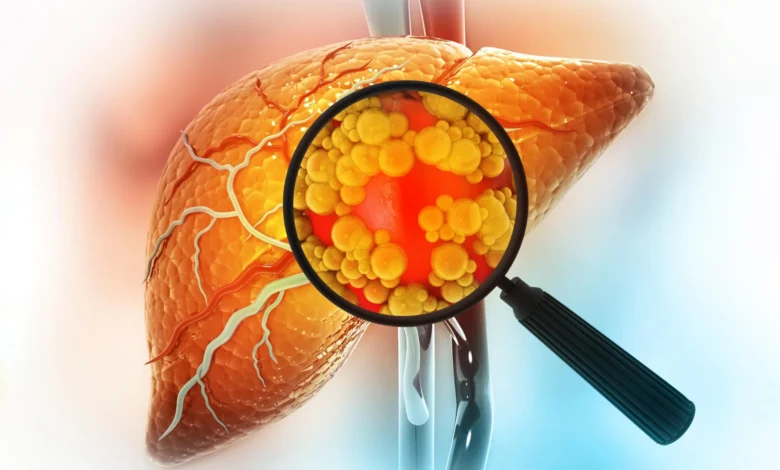
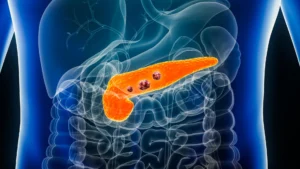
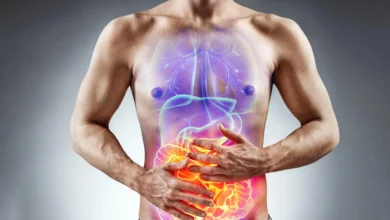
Metabolic dysfunction-associated steatotic liver disease (MASLD), formerly known as non-alcoholic fatty liver disease (NAFLD), has emerged as one of the most pressing public health crises of the 21st century. Affecting approximately 40% of the global adult male population, this condition represents a spectrum of liver disorders ranging from simple steatosis—the accumulation of excess fat in the liver—to more severe inflammation and scarring. While clinical practitioners have long recognized that obesity, type 2 diabetes, and sedentary lifestyles are primary drivers of MASLD, recent research has begun to unravel the complex hormonal and dietary interplay that accelerates the disease. A groundbreaking study conducted by researchers at the Graduate School of Agriculture has now identified a critical, previously misunderstood mechanism: the synergistic relationship between low testosterone levels and high fructose consumption, mediated significantly by the gut microbiome.
The Scope of the MASLD Crisis
The global prevalence of MASLD is inextricably linked to the modern dietary landscape, characterized by the ubiquity of high-fructose corn syrup and processed foods. As metabolic health declines worldwide, the medical community has sought to understand why certain individuals progress rapidly to advanced liver damage while others remain stable. Historically, research focused on these risk factors in isolation. However, the prevalence of low testosterone (hypogonadism) in aging men often overlaps with poor dietary habits, creating a "double hit" scenario that clinicians are only beginning to quantify.
Before this research, the scientific community understood that fructose was metabolized primarily in the liver, where it can stimulate de novo lipogenesis—the creation of fat from non-fat sources. Simultaneously, testosterone has been known to play a protective role in metabolic health, aiding in muscle maintenance and visceral fat reduction. The question remained: do these two factors exacerbate one another, or do they merely contribute to the same clinical outcome through independent pathways?
Chronology of the Investigative Study
To resolve these uncertainties, a research team led by graduate student Hiroki Takahashi and Associate Professor Naoki Harada embarked on a controlled longitudinal study. The research protocol was designed to isolate the variables of hormonal status and dietary intake in a highly controlled environment.
The study began with the selection of eight-week-old male mice, chosen for their physiological similarities to human metabolic processes. The researchers implemented a rigorous grouping strategy to ensure data integrity:
- Sham/Control: Baseline group with normal testosterone levels and standard diet.
- Sham/Fructose: Normal testosterone with high-fructose intake.
- Sham/Fructose + Antibiotics: Normal testosterone, high fructose, and gut microbiome modulation.
- Castration/Control: Reduced testosterone without high fructose.
- Castration/Fructose: The primary experimental group experiencing both low testosterone and high fructose.
- Castration/Fructose + Antibiotics: The secondary experimental group designed to test the role of the microbiome in the low-testosterone/fructose dynamic.
Throughout the study, the researchers performed a multi-omic analysis, collecting blood plasma, liver tissue, and cecal contents. By analyzing these biological samples, the team aimed to map the specific biochemical pathways triggered when both testosterone and dietary sugar levels are compromised.
Findings: The Mechanism of Fat Accumulation
The data collected during the study provided a clear, if concerning, picture of liver health under metabolic stress. The researchers observed that while low testosterone alone resulted in minor liver weight increases, and high fructose alone produced modest triglyceride elevation, the combination of the two yielded a statistically significant surge in hepatic lipid accumulation.
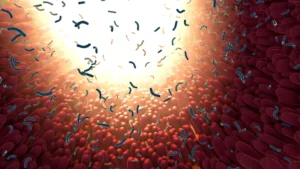
The most startling discovery occurred when the researchers analyzed the gut-liver axis. Mice in the "Castration/Fructose" group exhibited distinct shifts in their gut microbiota composition. These shifts were accompanied by a marked increase in pyruvate concentrations within the cecum. In biochemistry, pyruvate is a pivotal metabolite in cellular respiration and energy production; however, the study revealed that when elevated due to gut dysbiosis, it acts as a catalyst in the liver.
When the team isolated hepatocytes (liver cells) and exposed them to both fructose and pyruvate, the cells exhibited a dramatic increase in neutral lipid storage. This suggested that the gut bacteria were not merely passive bystanders but active participants in the metabolic pathway of fat storage. By administering antibiotics to these groups, the researchers were able to disrupt the gut bacteria, which subsequently reduced the weight of the livers and slowed the progression of steatosis. This provided robust evidence that the gut microbiome serves as a vital bridge between systemic hormonal changes and localized liver pathology.
Supporting Data and Scientific Context
The implications of these findings are supported by broader trends in endocrinology and gastroenterology. Current clinical data suggests that men with hypogonadism are at a significantly higher risk for metabolic syndrome. The American Association for the Study of Liver Diseases (AASLD) has previously noted that the rapid rise in MASLD mirrors the rise in sugar consumption; however, the "testosterone variable" has often been overlooked in standard hepatology screenings.
This study provides the first mechanistic link explaining why testosterone replacement therapy might have unexpected benefits for liver health in aging men. By identifying pyruvate as a key signaling molecule in this pathway, researchers have opened the door for targeted interventions. If a specific bacterial strain or metabolite can be managed, it may be possible to mitigate the liver damage caused by high-fructose diets even in patients with lower testosterone.
Official Responses and Academic Perspectives
The publication of these findings in the American Journal of Physiology-Endocrinology and Metabolism has drawn attention from peers in the fields of metabolic health and gastroenterology. While the study is rooted in rodent models, the physiological parallels are significant enough to warrant further investigation in human trials.
"Going forward, we hope to clarify the mechanism by which pyruvate promotes triglyceride accumulation to pioneer the development of therapeutic drugs and the establishment of preventive methods through dietary interventions," noted Professor Naoki Harada. His sentiment reflects a broader push toward "precision nutrition"—the idea that dietary recommendations should be tailored based on a patient’s unique hormonal and microbiological profile.
Independent observers in the field of nutritional biochemistry have highlighted the study’s focus on "synergy." Too often, medical advice treats diet as a standalone solution, ignoring the fact that hormonal changes, such as those occurring during the natural aging process in men, significantly alter how the body processes sugar.
Broader Implications and Future Directions
The shift from viewing MASLD as a simple consequence of caloric excess to a complex interplay of hormones and the gut microbiome represents a paradigm shift in hepatology. The implications for public health are twofold:
- Diagnostic Screening: Clinicians treating patients for metabolic disorders should consider screening for testosterone levels alongside standard liver function tests. Identifying hypogonadism early could allow for preventative interventions before irreversible liver scarring (fibrosis) occurs.
- Targeted Therapeutics: The discovery of the pyruvate-fructose pathway offers a specific target for drug development. If researchers can develop compounds that block the synergistic effect of pyruvate on liver cells, it could serve as a powerful adjunct to lifestyle modifications.
Furthermore, the research underscores the critical importance of the gut microbiome. The fact that antibiotic administration—albeit in a controlled research setting—was able to partially reverse the liver damage suggests that prebiotic or probiotic interventions, combined with dietary fructose reduction, could become a cornerstone of future MASLD treatment protocols.
As the scientific community moves forward, the focus will likely shift to human clinical trials to determine if these findings translate to the diverse human population. If successful, the work of Takahashi and Harada could provide a roadmap for managing one of the world’s most pervasive chronic diseases. For now, the study serves as a stark reminder that the modern diet does not impact all people equally, and that maintaining hormonal balance may be just as vital as limiting sugar intake when it comes to long-term liver health. The researchers’ emphasis on dietary intervention as a primary, rather than secondary, goal remains the most actionable takeaway for the general public, suggesting that reducing fructose intake is a high-priority necessity for those concerned with metabolic longevity.