Formula 1 confirms 2026 grid to headline major expansion for Hot Wheels Infinite Rush video game

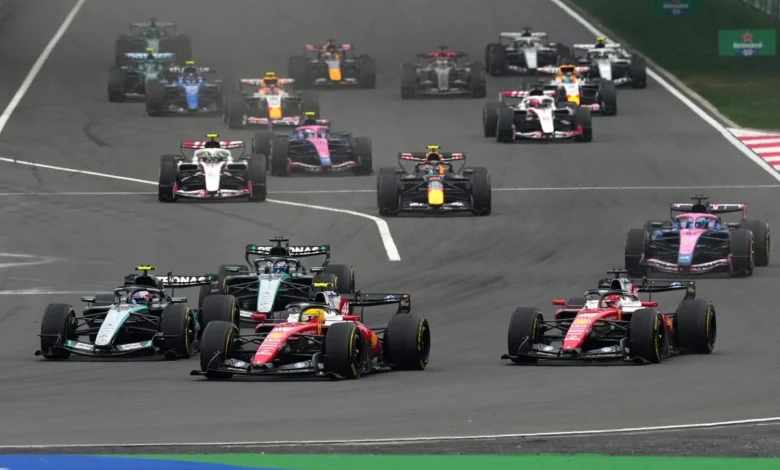
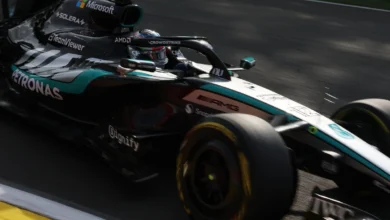
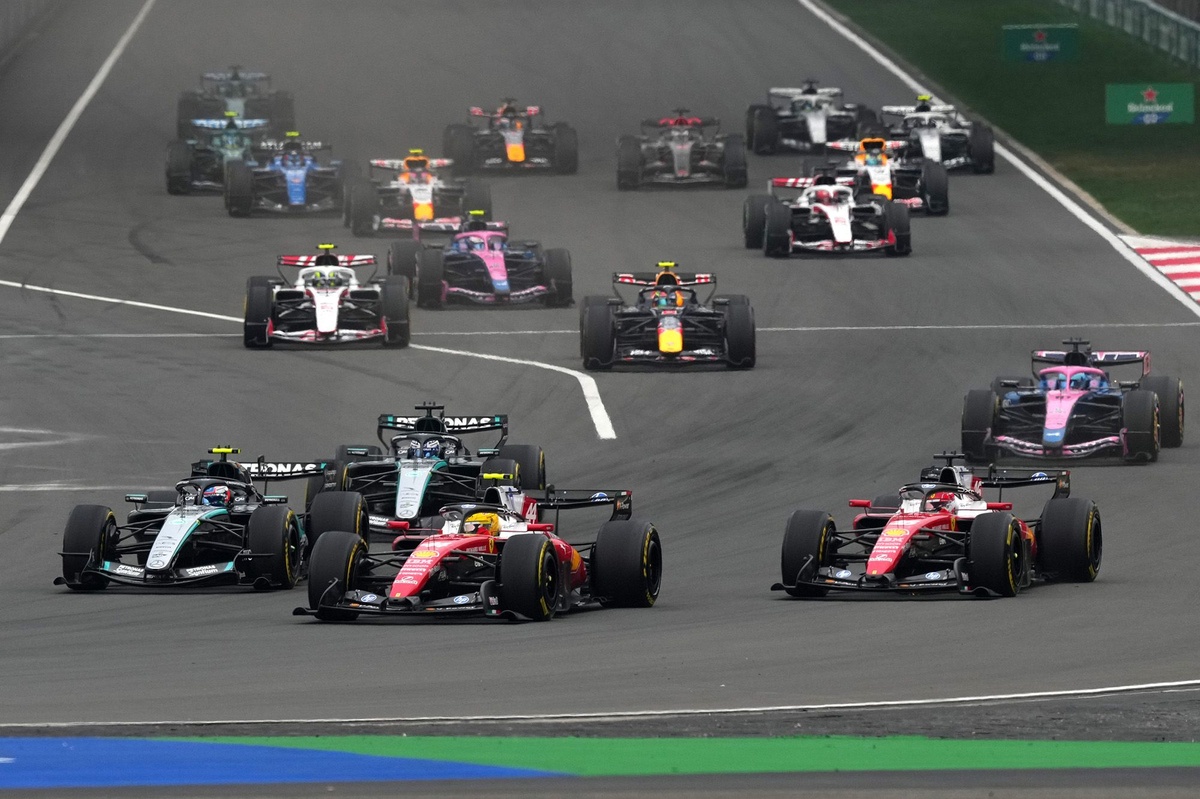
The landscape of virtual motorsport is set for a significant transformation in the spring of 2027 as Formula 1, in collaboration with toy giant Mattel and developer Milestone, prepares to integrate the entire 2026 official grid into the popular racing title Hot Wheels Infinite Rush. This strategic expansion marks a historic convergence between the world’s premier open-wheel racing series and one of the most recognizable toy franchises in history. By bringing all 22 official team cars into the digital racing environment, the partnership aims to bridge the gap between die-cast collecting and high-octane gaming, offering fans a unique opportunity to pilot the next generation of F1 machinery.
A New Era for Digital Racing
The F1 Car Collection Pack, scheduled for a global release in March 2027, represents more than just a standard downloadable content (DLC) update. It is a calculated move to capitalize on the soaring popularity of Formula 1, which has seen a massive influx of younger demographics and gaming enthusiasts over the past decade. By placing the 2026-spec cars—which feature significant aerodynamic and power-unit revisions—into the physics-based, high-fantasy track environments of the Hot Wheels franchise, Milestone is effectively offering a bridge between the clinical precision of professional racing and the imaginative, gravity-defying spirit of arcade-style play.
The 2026 season is already highly anticipated in the motorsport community for its radical shift in technical regulations, including a heavier reliance on electrical power and sustainable fuels. Having these specific models available in a digital format immediately following their real-world debut serves as a digital archive of the sport’s evolution, allowing players to test the theoretical capabilities of these machines within the game’s unique engine.
Chronology of a Strategic Partnership
The genesis of this collaboration dates back several years, beginning with the successful rollout of F1-branded die-cast cars by Mattel. The overwhelming retail success of these physical collectibles proved that the F1 brand possessed significant crossover appeal with the Hot Wheels demographic.
- Q1 2024: Initial discussions between Formula 1 management and Mattel regarding the expansion of the licensing agreement.
- Q4 2024: Milestone, the studio renowned for its expertise in racing titles like Ride and MotoGP, is brought into the fold to handle the technical integration.
- 2025-2026: Development of the F1 vehicle physics models and aesthetic design, ensuring that the 2026 liveries and chassis geometries are accurately represented within the game’s engine.
- March 2027: Official launch window for the F1 Car Collection Pack across all supported platforms, including PlayStation 5, Xbox Series X|S, Nintendo Switch 2, and high-end PC hardware.
This timeline highlights the methodical approach taken by the stakeholders to ensure that the gaming experience aligns with the high standards expected by the F1 fan base while maintaining the whimsical nature of the Hot Wheels brand.
Technical Integration and Platform Accessibility
One of the most notable aspects of this announcement is the platform breadth. The decision to include the latest hardware, such as the Nintendo Switch 2 and the ASUS ROG Ally series, underscores a commitment to accessibility. By optimizing the F1 Car Collection Pack for a wide range of devices, Milestone intends to ensure that the barrier to entry remains low, allowing casual gamers and hardcore racing enthusiasts alike to participate.
The 22 cars will join a robust existing roster of over 150 vehicles. The challenge for the developers lies in balancing the specific handling characteristics of a Formula 1 car—which typically requires high-downforce, high-speed cornering—with the track design of Infinite Rush, which is known for its orange track loops, jumps, and obstacles. Engineering the "feel" of these cars is expected to be the primary focus of the development team as they move toward the 2027 release date.
Official Perspectives on the Collaboration
The project has received strong backing from the executive leadership of all three organizations involved. Emily Prazer, the Chief Commercial Officer of Formula 1, emphasized the role of the game in fostering fan engagement. "Our partnership with Mattel and Hot Wheels keeps evolving for our fans, and this latest move gives them the opportunity to race their favorite driver’s car in the Hot Wheels Infinite Rush video game," Prazer noted. She highlighted the social aspect of the game, suggesting that the ability to compete against friends and family in an F1-branded environment will deepen the emotional connection between the sport and its supporters.
Andrea Loiudice, Publishing Director at Milestone, reflected on the prestige of the project. "We’re incredibly proud to be the first to bring Formula 1 Hot Wheels die-cast cars to a video game. The opportunity to work alongside such prestigious partners as Mattel and Formula 1 is a great testament to the trust they place in Milestone and in our ability to deliver high-quality racing experiences," Loiudice stated.
From the perspective of Mattel, the move is part of a broader strategy to modernize its digital footprint. Erika Winterholler, Head of Licensed Games at Mattel, remarked, "The combination of Formula 1’s authenticity and Milestone’s racing expertise created a unique opportunity to deliver something truly special for Hot Wheels fans. Bringing the full 2026 Formula 1 grid to Hot Wheels Infinite Rush reflects our approach to building best-in-class gaming experiences through great partnerships."
Broader Impact and Industry Implications
The inclusion of official F1 machinery in a non-simulation racing game is a significant shift in licensing strategy. Historically, F1 has been protective of its brand, often limiting its presence to dedicated, hyper-realistic simulation titles such as the annual F1 series developed by EA Sports and Codemasters. This move signals a more flexible approach, recognizing that exposure in arcade-style racing games can cultivate a younger generation of fans who may eventually graduate to the more complex simulation titles or, more importantly, to the sport itself.
The implications for the gaming industry are equally noteworthy. As gaming platforms move toward more unified ecosystems, the ability to license high-profile automotive brands for cross-franchise play is becoming a critical differentiator. If the F1 Car Collection Pack achieves the projected levels of success, it could pave the way for other major sports leagues to seek similar partnerships, effectively turning video games into multi-sport hubs where professional athletes and vehicles coexist within a single digital space.
Market Anticipation and Fan Expectations
As of mid-2027, anticipation within the gaming community is reaching a fever pitch. Early teasers have suggested that while the cars will maintain their realistic livery designs, they will be scaled to fit the iconic "Hot Wheels" aesthetic, potentially including special performance perks or custom track-editing features exclusive to the F1 vehicles.
Market analysts following the e-sports and gaming sector suggest that the collaboration will likely lead to an increase in engagement metrics for both Infinite Rush and the F1 broadcast audience. By integrating real-world driver rosters with digital racing, the organizers are creating a symbiotic loop: fans watch the Grand Prix on Sunday and continue the competition on their consoles throughout the week.
Looking Ahead
While the launch is still on the horizon, the groundwork laid by the development teams suggests a high level of polish. The integration of 22 distinct vehicle models requires significant data sharing between F1 teams and game developers, ensuring that the visual representation of the 2026 aerodynamic regulations is accurate to the real-world cars that will hit the tarmac in early 2026.
As the industry looks toward the March 2027 release, the focus will undoubtedly shift toward gameplay demonstrations and the specific mechanics of how these F1 cars will interact with the game’s physics engine. Whether players choose to treat the cars as serious racing machines or as high-performance toys on a custom-built, gravity-defying track, the F1 Car Collection Pack stands as a testament to the enduring power of both the Formula 1 brand and the timeless appeal of the Hot Wheels name. For the millions of fans who have followed the sport through its various iterations, this new digital chapter promises to be a highlight of the 2027 gaming calendar, marking a new milestone in the intersection of real-world athleticism and virtual play.