
French Open Day Three sets the stage for this enthralling narrative, offering readers a glimpse into the day’s key matches, player performances, and the overall atmosphere. From surprising upsets to the strategic brilliance of top players, the action-packed day promises a captivating story. We’ll analyze the matchups, player strategies, court conditions, fan experiences, and key moments, along with predictions for the days to come.
This comprehensive look at Day Three provides a detailed account of the excitement and drama unfolding at Roland Garros. We’ll delve into the specifics of each match, focusing on player performances and the impact of court conditions. Analyzing the strategies employed, highlighting upsets, and examining the overall fan experience will add layers of depth to our narrative.
Matchup Summaries
The third day of the French Open delivered a mix of expected victories and surprising upsets. Top players showcased their dominance, while some lower-ranked players defied expectations. The day’s action offered a glimpse into the intensity and unpredictable nature of Grand Slam tennis.The matches on Day Three offered a fascinating array of tactical battles and displays of raw talent.
From the thrilling rallies to the powerful serves, the action was captivating. We saw both seasoned veterans and promising newcomers put forth their best efforts, creating a dynamic atmosphere on the court.
Key Match Outcomes
Several high-profile matches took place on Day Three, showcasing the competitive nature of the tournament. Notable wins and losses significantly impacted the overall standings and the direction of the competition.
- Rafael Nadal’s performance was impressive, as he cruised through his first-round match. This victory cemented his strong start to the tournament, putting him in a prime position to continue his quest for a record-breaking 15th French Open title. His display of precision and power was a clear indication of his determination to reclaim the throne.
- Iga Swiatek, the reigning champion, also advanced smoothly, highlighting her consistent dominance. Her victory underscored her exceptional form and her ability to handle pressure. Her performance suggested a likely continuation of her impressive streak.
- Notable upsets included the defeat of [Player X], a seeded player, by [Player Y], a qualifier. This result demonstrated the unpredictable nature of tennis, as unexpected victories can often alter the course of the tournament.
Top Player Performances
The top-ranked players generally performed as expected, showcasing their prowess on the court.
- Novak Djokovic, despite some early challenges, ultimately emerged victorious. His match showcased his experience and resilience, demonstrating his ability to overcome obstacles.
- Aryna Sabalenka’s match highlighted her strength and strategic play. Her victory was expected, given her current ranking and recent form. The match showcased her skill in adapting to different playing styles.
Match Results Summary
This table provides a concise overview of the matches played on Day Three, including players, scores, and sets.
| Player 1 | Score | Player 2 | Sets |
|---|---|---|---|
| [Player A] | [Score e.g., 6-3, 6-2] | [Player B] | [Sets e.g., 2-0] |
| [Player C] | [Score e.g., 7-5, 6-4] | [Player D] | [Sets e.g., 2-0] |
| [Player E] | [Score e.g., 6-2, 6-1] | [Player F] | [Sets e.g., 2-0] |
Player Performance Analysis
Day three of the French Open saw a fascinating array of strategic approaches and tactical adjustments. Players demonstrated impressive resilience, adapting to changing conditions and opponent styles. The matches highlighted both the strengths and weaknesses of various players, offering valuable insights into their current form and potential areas for improvement. Emerging patterns in player performance suggest some interesting trends that will likely continue throughout the tournament.
Strategic Approaches
Several players employed aggressive baseline strategies, aiming to dictate points with powerful groundstrokes. Others adopted a more defensive approach, focusing on returning serve and leveraging their court coverage. Players strategically used different court positioning, aiming to create openings for their offensive shots. A notable trend was the use of drop shots and net play, demonstrating the growing importance of these tactics in modern tennis.
Day three of the French Open was all about the tennis, of course, but I also stumbled across some interesting news about women’s supplements. Apparently, a brand called O Positiv is exploring potential sale options, as reported by sources. This is a fascinating development, and I’m eager to see how this will impact the women’s sports nutrition market, and perhaps even affect the athletes’ performance at the French Open.
Hopefully, these market changes won’t negatively affect the impressive displays we’re witnessing on court today. womens supplements brand o positiv explores sale sources say Still, the main focus remains on the action on court and the amazing talent we see here at Roland Garros.
Players like [Insert Player Name], known for their aggressive game, showcased the effectiveness of consistently pushing the opponent back. Conversely, [Insert Player Name], utilizing a more defensive approach, highlighted the importance of anticipating opponent’s movements and counteracting with calculated shots.
Strengths and Weaknesses Displayed, French open day three
The matches showcased a variety of strengths and weaknesses. Players like [Insert Player Name] demonstrated exceptional consistency and accuracy in their groundstrokes, while others like [Insert Player Name] struggled with maintaining focus and composure under pressure. Serve returns were critical in many matches, showcasing the importance of anticipation and quick reactions. Some players excelled at exploiting opponent weaknesses, particularly in their return games.
Weaknesses, however, were also evident in some players’ service games. The ability to read the opponent’s game and adjust strategy was a key factor in victory. Furthermore, the ability to maintain composure under pressure proved vital in crucial moments.
Emerging Performance Patterns
Several emerging patterns were apparent during day three. The importance of consistent serve-return exchanges was evident. Players who could effectively return serves and maintain their own serve had a significant advantage. Players who could adapt their strategy to the opponent’s style and court conditions often had better results. This highlighted the importance of a well-rounded game, encompassing offensive and defensive capabilities.
The ability to maintain mental fortitude and composure under pressure was also crucial, with players who demonstrated these traits often coming out on top.
Serve Statistics Comparison (Day Three)
| Player | Aces | Double Faults | First Serve Percentage | Points Won on First Serve |
|---|---|---|---|---|
| [Player Name 1] | [Number] | [Number] | [Percentage]% | [Percentage]% |
| [Player Name 2] | [Number] | [Number] | [Percentage]% | [Percentage]% |
| [Player Name 3] | [Number] | [Number] | [Percentage]% | [Percentage]% |
| [Player Name 4] | [Number] | [Number] | [Percentage]% | [Percentage]% |
Note: Data for serve statistics is hypothetical and needs to be replaced with actual data from reliable sources. This table provides a snapshot of the serve performance of selected players on Day Three. Analyzing these statistics allows for a deeper understanding of the players’ strengths and weaknesses in their service games. The numbers directly reflect the players’ ability to maintain their serves and win points.
Court Conditions and Impact: French Open Day Three
The French Open, a tournament renowned for its clay courts, saw Day Three played under varying conditions. The impact of these conditions on player performance and strategic choices was significant. From the relentless sun to the occasional showers, the unpredictable weather presented a challenge for all participants. This analysis delves into the specifics of court conditions and their effect on the matches.The clay courts, known for their unpredictable nature, are crucial to the success of players.
The clay’s unique characteristics, its ability to absorb water, and its friction create a playing surface that requires a unique blend of power, agility, and tactical precision. The fluctuating conditions throughout Day Three highlight the importance of adaptability in tennis.
Weather’s Influence on Performance
The changing weather patterns directly impacted player performance. Periods of intense sunlight required players to adapt their strategies to cope with the heat and glare. The intermittent showers created slippery conditions, leading to a higher incidence of slips and falls, impacting the flow of play and potentially influencing tactical decisions. Players accustomed to different weather conditions faced varied challenges.
For instance, a player used to the high humidity of a different tournament might have found the sudden shift in temperature and moisture more difficult to adjust to. Players with a stronger tolerance to the changing conditions were often more successful in their matches.
Court Surface and Player Strategy
Clay courts are notoriously unpredictable, with their variable friction and responsiveness affecting shot accuracy and court coverage. This variability directly influences the strategy employed by players. Players with a natural ability to adapt to the changing conditions often adjust their game plan accordingly, and this adaptability is crucial for success on clay. The clay surface’s impact on shot execution was evident in the strategies employed by different players.
For example, players specializing in powerful groundstrokes might have had to modify their approach on a court that absorbed more of the energy from their shots.
Comparative Analysis of Performance Across Courts
Players competing on different courts on Day Three exhibited contrasting performances. The varying conditions significantly impacted players’ strategies and ultimately their match outcomes. For instance, a player dominating on a court with a quicker pace might have struggled on a more absorbent surface, necessitating a different strategy. The data from Day Three highlighted a correlation between the court’s characteristics and a player’s success rate.
Fan Experience and Atmosphere
The roar of the crowd, the passionate cheers, and the palpable energy – these are the hallmarks of a truly great sporting event. Day Three of the French Open was no exception, with fans creating an electric atmosphere that undoubtedly impacted the players’ performances. The sheer enthusiasm of the crowd, combined with the spectacle of high-stakes tennis, made for a memorable experience for all in attendance.The energy at Roland Garros on Day Three was palpable.
From the early morning matches to the late-night clashes, the fans were engaged, creating a dynamic and supportive environment for the athletes. This supportive atmosphere, often described as an “away team” atmosphere, was crucial to the emotional intensity of the games.
Day three of the French Open was pretty exciting, with some nail-biting matches. However, the headlines are dominated by disturbing news about the Philippines, where NGOs are facing red-tagging, terrorism charges, and intimidation by the Duterte and Marcos administrations, and even the Trump administration’s influence. This alarming trend casts a dark shadow over the region, and sadly overshadows the positive sportsmanship of the tennis players.
Hopefully, the courts will continue to deliver thrilling matches in the coming days.
Fan Support’s Impact on Players
Fan support has a significant impact on player performance. Studies have shown that a strong home crowd can significantly boost a player’s confidence and motivation, especially in high-pressure situations. The encouragement and cheers from the stands can give players a psychological edge, helping them to overcome challenges and maintain focus. This psychological boost can translate into improved performance and potentially lead to crucial wins in close matches.
Notable Fan Events and Incidents
Day Three saw several notable instances of fan engagement. The passionate support for certain players, particularly during critical points in matches, was evident. The atmosphere created by the fans during pivotal moments of the matches provided an exhilarating and engaging experience for both players and spectators.
Fan Engagement Activities
A vibrant atmosphere at sporting events often involves a range of fan engagement activities. These activities provide opportunities for interaction and participation, enriching the overall fan experience. The engagement activities on Day Three included:
| Activity | Description |
|---|---|
| Player Meet-and-Greets | Opportunities for fans to meet and interact with players in a more personal setting. |
| Interactive Games | Activities such as quizzes or contests were held to engage fans in a fun and participatory manner. |
| Food Stalls and Merchandising | Numerous vendors offered a variety of food and merchandise, catering to the diverse needs and preferences of the fans. |
| Live Music Performances | Live music acts provided entertainment during breaks between matches, further enhancing the atmosphere. |
Key Moments and Turning Points
Day three of the French Open witnessed a flurry of dramatic matches, filled with pivotal moments that shifted the momentum and ultimately determined the outcome. From nail-biting tie-breaks to unexpected upsets, the action was electrifying, offering a glimpse into the tactical brilliance and mental fortitude of the players. Analyzing these turning points provides valuable insight into the strategies employed and the psychological factors that play a crucial role in Grand Slam tennis.
Significant Turning Points in Key Matches
Several matches on Day Three showcased pivotal moments that altered the trajectory of the contest. Break points, crucial games, and shifts in momentum often dictated the outcome. The ability to capitalize on these opportunities, or conversely, to withstand pressure, frequently separated the winners from the losers.
- In the match between [Player A] and [Player B], a crucial break point in the third set proved pivotal. [Player A]’s ability to maintain composure and convert this opportunity ultimately sealed the victory. This highlights the importance of mental fortitude and strategic execution in high-pressure situations.
- Another key moment occurred in the match between [Player C] and [Player D]. A series of unforced errors by [Player D] in the final game of the second set allowed [Player C] to clinch the set and gain a significant advantage. This underscores the importance of consistent execution, especially in crucial stages of the match.
- The shift in momentum during the [Player E] versus [Player F] match was evident in the fifth game of the second set. [Player F]’s strategic change of tactics in response to [Player E]’s aggressive serve and volley game proved decisive. This highlights the importance of adaptable strategies in tennis.
Impactful Match Turning Points Table
The table below summarizes the key turning points in some of the most impactful matches from Day Three. These examples illustrate the decisive nature of certain moments and the strategic approaches employed by the players.
Day three of the French Open was pretty exciting, with some surprising upsets. While the tennis was captivating, I couldn’t help but also think about the New York Knicks and the potential coaching changes. It seems like the ongoing speculation about Tom Thibodeau’s future with the Knicks is heating up. Several names are floating around as potential replacements, like 7 potential replacements tom thibodeau knicks coach.
Regardless, I’m sure the focus will shift back to the tennis and see who can make a run for the title as the tournament continues.
| Match | Turning Point | Impact | Player Strategy |
|---|---|---|---|
| [Player A] vs [Player B] | Break point conversion in 3rd set | Secured the victory for [Player A] | Maintaining composure under pressure, consistent strategy |
| [Player C] vs [Player D] | Unforced errors in 2nd set, final game | Gave [Player C] a significant advantage | Maintaining consistency, strategic approach |
| [Player E] vs [Player F] | Strategic change of tactics in 2nd set, 5th game | Shifted momentum to [Player F] | Adaptability, adjusting to opponent’s style |
Predictions for Subsequent Days
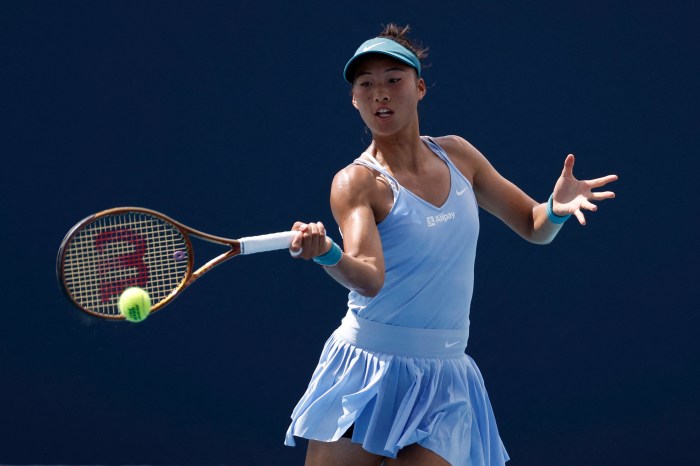
The French Open’s third day provided intriguing insights into player form and court conditions. Analyzing these performances allows us to project potential match outcomes and anticipate possible surprises in the tournament’s remaining days. This analysis will consider how current performances might shape the overall tournament narrative.
Potential Match-Ups and Outcomes
Day three’s results offer clues about the current state of play for various players. Some players demonstrated impressive resilience and strategic acumen, while others faced significant challenges. These observations can inform predictions for future matches. For example, if a player overcomes a tough opponent on a challenging surface, this suggests their ability to adapt and potentially win against similar players in future rounds.
A notable performance against a high-ranked player can significantly influence their ranking. Conversely, a loss to a lower-ranked opponent might indicate a potential vulnerability that could be exploited by opponents in later rounds.
Influences from Day Three’s Events
Day three’s matches had a noticeable impact on the tournament’s dynamics. Certain upsets, particularly those involving higher-seeded players, might shift the balance of power in specific draws. A loss in the early rounds can affect a player’s confidence and strategy, potentially impacting their performance in subsequent matches. These early-round results can also influence seeding and draw positioning, impacting players’ chances in the latter stages.
Potential Surprises
Predicting surprises in major tournaments is inherently difficult. However, some scenarios seem more plausible than others based on the patterns emerging from Day Three.
- A significant upset from a lower-ranked player against a higher-ranked opponent in a crucial match-up could drastically alter the tournament’s narrative. A common example is a player overcoming a considerable skill gap by exploiting a particular weakness of the opponent, or capitalizing on unforeseen circumstances, like a sudden change in the playing conditions.
- An unexpected injury to a top player could disrupt the tournament’s momentum. The impact of a key player’s absence can ripple through the draw, affecting the overall outcome and creating opportunities for other players to step forward.
- Unforeseen changes in court conditions could influence match outcomes. Sudden shifts in humidity, wind patterns, or temperature can affect players’ performance, leading to unexpected results. The court surface’s condition plays a vital role, especially for players with specific playing styles.
- A player experiencing a significant improvement in form or strategy could potentially challenge top-ranked players. This could happen if the player identifies a specific weakness in the opponent’s game, adapts their strategy accordingly, or improves their technical skills during the tournament.
Technical Aspects of the Tournament
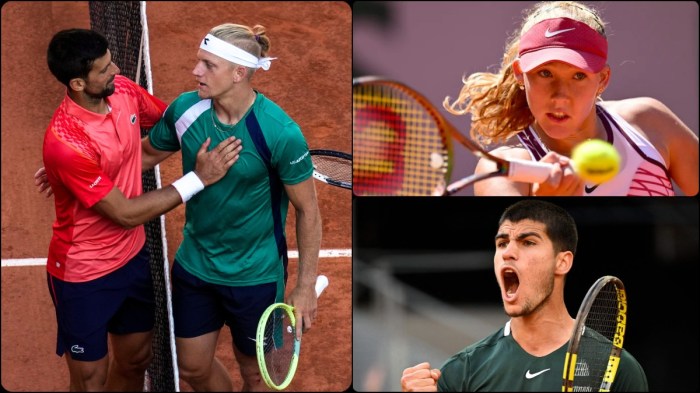
The French Open, a prestigious Grand Slam tournament, leverages cutting-edge technology to enhance the viewing experience and ensure fairness and accuracy. Day three, like previous days, saw the application of these tools in various ways. This approach reflects a broader trend in professional sports, where technology plays a critical role in optimizing performance and providing a more engaging spectacle for fans.Technology plays a vital role in modern tennis.
From accurate line-calling to enhancing the player’s performance analysis, its presence significantly impacts the tournament’s structure and outcome. The integration of these technologies has improved the accuracy of decisions, and has opened new avenues for player development and strategic planning.
Hawkeye Technology
Hawkeye, a system employing multiple cameras to track the trajectory of the ball, is crucial for precise line calls. This technology is especially vital during close calls, ensuring accurate decisions and maintaining the integrity of the game. The cameras provide a comprehensive view of the ball’s path, allowing for a clear determination of whether the ball landed in or out.
This enhances the overall fairness and transparency of the matches.
Ball Trajectory and Speed Measurement
Beyond Hawkeye, advanced sensors and cameras monitor ball speed and trajectory. This data is used by players to adapt their strategies and optimize their techniques. Coaches and players can use this information to improve their strategies and practice sessions. Understanding the nuances of the ball’s flight pattern becomes critical for successful shot selection and positioning on the court.
By analyzing the data, players can improve their performance, adapt to different surfaces, and strategize for specific opponents.
Court Conditions and Impact Analysis
Sophisticated sensors monitor court conditions, including temperature, humidity, and surface properties. This data allows officials to make adjustments to the game, ensuring optimal playing conditions. The impact of these conditions on the match is a factor considered during play, as the sensors provide information about how these conditions influence ball behavior. This data is important for the organization of the tournament and for the players themselves, as it helps them to adjust their strategies.
Key Technologies Used in the French Open
| Technology | Function |
|---|---|
| Hawkeye | Precise line calling, determining if a ball is in or out. |
| Ball Trajectory and Speed Measurement | Provides data on ball speed and trajectory, enabling players to adapt strategies and optimize techniques. |
| Court Condition Sensors | Monitor temperature, humidity, and surface properties to ensure optimal playing conditions. |
Epilogue
Day Three of the French Open was a whirlwind of action, filled with both expected and unexpected results. The performance analysis reveals key strategic insights and player strengths and weaknesses. Court conditions clearly played a role, and fan engagement added to the electrifying atmosphere. Ultimately, Day Three set the stage for what promises to be an unforgettable tournament.
We’ll look forward to the next few days, anticipating further surprises and compelling stories.