Genicular Artery Embolization: A Transformative Middle Ground for Chronic Knee Osteoarthritis Treatment

The procedure was remarkably successful, a sentiment echoed by 74-year-old Cynthia Schraf-Fletcher, whose experience with genicular artery embolization (GAE) has provided a lifeline for her mobility. Nearly a year following her outpatient treatment at the University of Colorado Anschutz School of Medicine, Schraf-Fletcher reports that her right knee, treated via this minimally invasive technique, performs with the functional efficacy of her left knee, which previously underwent a comprehensive total knee replacement. For millions of aging adults suffering from the degenerative wear and tear of osteoarthritis, the gap between conservative management and invasive surgery has long been a clinical vacuum. GAE is currently emerging as a sophisticated bridge to fill that void.
The Clinical Landscape: Addressing the Gap in Care
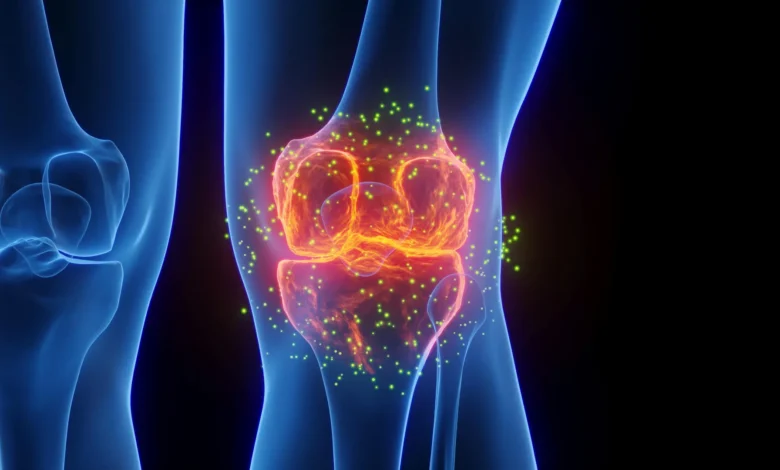
Osteoarthritis remains one of the most prevalent chronic conditions globally, characterized by the progressive degradation of cartilage, inflammation of the synovium, and subsequent bone-on-bone friction. Standard clinical pathways have historically followed a rigid, escalating trajectory: lifestyle modifications and physical therapy lead to anti-inflammatory medications and corticosteroid injections. When these measures fail, the only remaining clinical recourse is often a total knee arthroplasty (TKA), or knee replacement—a major surgery requiring general anesthesia, significant hospital recovery time, and extensive post-operative rehabilitation.
Dr. Leigh Casadaban, an assistant professor of radiology and a vascular interventional radiologist at the University of Colorado Anschutz School of Medicine, identifies this traditional spectrum as problematic. "For treating osteoarthritis in the knees, we often think of medications, physical therapy, maybe a steroid injection, and then on the far end of the spectrum is a total knee replacement," says Dr. Casadaban. "There really hasn’t been anything for patients in between. GAE is a promising minimally invasive procedure that may fill that spot for people who have failed conservative treatments but are not yet ready to have a major surgery."
Historical Context and Evolution of the Procedure
The origins of genicular artery embolization trace back to Japan, where researchers first pioneered the technique just over a decade ago. The medical community observed that chronic knee pain associated with osteoarthritis is often accompanied by abnormal angiogenesis—the growth of new, hyper-vascularized blood vessels in the synovium of the joint. These vessels are frequently associated with nerve endings that transmit pain signals and carry inflammatory cells to the site of damage.
By 2013, clinical data from Japan began to circulate, suggesting that by intentionally obstructing these specific, inflamed vessels, practitioners could effectively "starve" the inflammation. This discovery marked a paradigm shift in interventional radiology. Since its inception, the procedure has migrated from Japan to Europe and, more recently, the United States. In 2021, the U.S. Food and Drug Administration (FDA) signaled the growing legitimacy of this technology by granting "breakthrough device status" to several medical devices specifically designed for GAE. This regulatory designation is reserved for technologies that provide for more effective treatment of life-threatening or irreversibly debilitating conditions, effectively fast-tracking the review process to bring these solutions to the patient population more rapidly.
The Mechanics of GAE: A Minimally Invasive Approach
The GAE procedure is defined by its precision and reduced trauma compared to orthopedic surgery. Typically lasting between 60 to 120 minutes, the procedure is performed under conscious sedation rather than general anesthesia. This allows patients to remain responsive and comfortable while avoiding the physiological risks associated with being fully unconscious.
The intervention begins with a small, localized incision, usually in the crease of the leg. Under the guidance of sophisticated X-ray imaging and contrast dye, an interventional radiologist threads a micro-catheter through the femoral artery until it reaches the genicular arteries—the primary blood supply to the knee joint. Once the targeted vessels, identified as the sources of inflammation, are reached, the clinician releases microscopic embolic beads. These beads effectively block the blood flow to the abnormal, hyper-vascularized tissue.
Because there is no bone cutting, ligament manipulation, or prolonged tissue trauma, the recovery trajectory is drastically abbreviated. Most patients are discharged within hours of the procedure and are typically able to resume light daily activities within a few days. This represents a stark departure from the weeks or months of physical therapy and recuperation required following a total knee replacement.
Data-Driven Efficacy and Patient Outcomes
The clinical evidence supporting GAE is maturing rapidly. Research conducted in Japan has provided longitudinal data showing that the pain-relieving effects of a single GAE procedure can persist for at least four years. In the United States, recent studies have confirmed two-year efficacy, demonstrating that a significant percentage of patients—roughly 70%—experience a substantial reduction in pain scores, often by half or more.
For patients like Schraf-Fletcher, the physical outcomes are transformative. Activities previously precluded by chronic pain—gardening, cycling, and walking—become accessible again. Dr. Casadaban notes that the best candidates for GAE are those with mild to moderate osteoarthritis. While the procedure can be performed on patients with advanced, end-stage disease, the longevity of the relief may be diminished, necessitating a nuanced discussion between the patient and the radiologist regarding expectations.
Ongoing Research and Future Implications
The University of Colorado Anschutz School of Medicine is currently at the forefront of expanding the understanding of GAE through rigorous clinical trials. One primary area of investigation involves the analysis of knee joint fluid, known as synovial fluid. By monitoring chemical changes in this fluid post-procedure, researchers aim to quantify the reduction of inflammatory markers, providing a biological basis for the pain relief reported by patients.
Furthermore, innovation in the hardware used during GAE continues to evolve. Trials involving the Nexsphere-F device, which utilizes a temporary blocking mechanism, are currently underway. If successful, such devices could provide a more reversible or controlled approach to managing knee inflammation, potentially expanding the patient pool further.
The implications of these advancements extend beyond the knee. The fundamental strategy of targeting abnormal vascular supply to reduce chronic pain is being explored for other notoriously difficult-to-treat conditions. Researchers are actively investigating whether similar embolic procedures can be adapted for frozen shoulder (adhesive capsulitis), lateral epicondylitis (tennis elbow), and plantar fasciitis.
The Path Forward: Integration into Standard Care
As GAE gains broader acceptance, its role in the orthopedic landscape is expected to shift from an experimental alternative to a standard therapeutic option. For the healthcare system, the potential for GAE to delay or even eliminate the need for knee replacement surgery presents a compelling economic and clinical argument. With the aging global population, the burden of osteoarthritis is projected to increase, making the availability of minimally invasive, durable, and cost-effective interventions like GAE essential for maintaining the quality of life for millions.
While the procedure is not a panacea for all joint ailments, its success in patients who have failed conservative therapies marks a significant milestone in modern medicine. As clinical data continues to accumulate and as technological refinements enhance the safety and efficacy of the embolization process, GAE is poised to become a cornerstone of interventional pain management. For individuals caught in the difficult transition between basic physical therapy and major surgery, this procedure offers a promising, evidence-based alternative, restoring not just mobility, but the ability to return to the activities that define a full and active life.