Guenther Steiner critiques Williams Racing over capital expenditure complaints and infrastructure management

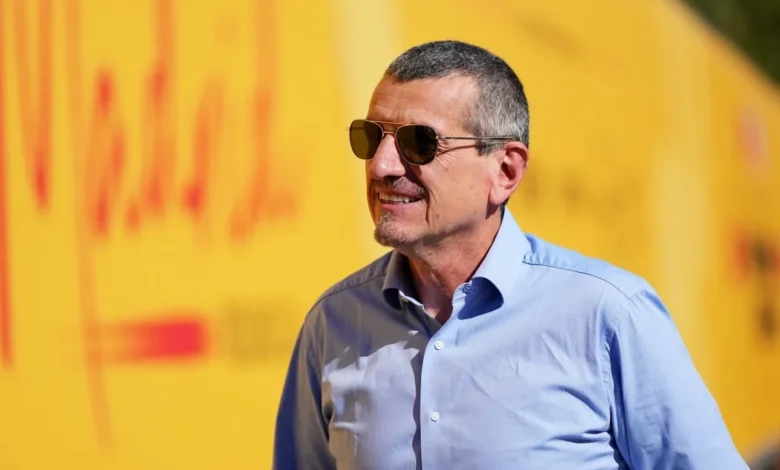
The ongoing dialogue surrounding Formula 1’s capital expenditure (CapEx) regulations has taken a contentious turn, with former Haas F1 Team Principal Guenther Steiner publicly dismissing the complaints lodged by Williams Racing as "crocodile tears." The criticism, delivered during an appearance on The Red Flags Podcast, targets Williams team principal James Vowles and his repeated assertions that the historic Grove-based team is being held back by outdated infrastructure and restrictive financial regulations. This exchange highlights the deepening divide between team leaders regarding the fairness and application of the FIA’s current financial framework.
The Core of the Dispute: Infrastructure vs. Regulation
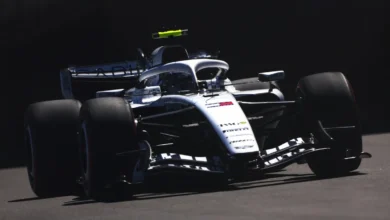
Since assuming the role of team principal at Williams in February 2023, James Vowles has been vocal about the "archaic" nature of the team’s facilities. Upon his arrival from Mercedes, where he served as Chief Strategist, Vowles encountered a team that had suffered from years of underinvestment. He has frequently argued that the current cost cap—while intended to level the playing field—inadvertently traps teams with legacy infrastructure in a cycle of underperformance. According to Vowles, the regulatory framework has made it disproportionately difficult to modernize facilities, such as wind tunnels and manufacturing equipment, because those investments are often folded into the broader expenditure limits that govern team operations.
However, Guenther Steiner, who led Haas from its inception in 2016 until the end of the 2023 season, rejects the premise that the regulations are solely to blame. Steiner contends that the primary issue lies with historical ownership decisions rather than modern FIA governance. His argument centers on the idea that teams failing to upgrade their factories over the last decade are now attempting to leverage "hard-luck" stories to secure special regulatory dispensations.
A Chronology of Williams’ Challenges
The history of Williams Racing in the modern era is one of significant transition. Once the dominant force in Formula 1, the team struggled through the late 2010s, culminating in a period of severe financial distress that saw the founding family sell the team to Dorilton Capital in 2020.
- 2018–2019: The team hits a performance nadir, struggling to produce competitive machinery while dealing with significant internal restructuring.
- 2020: Dorilton Capital acquires Williams Racing, promising a long-term investment strategy to restore the team to its former glory.
- 2023: James Vowles takes the helm. He immediately identifies that the team’s reliance on legacy software, manual manufacturing processes, and outdated tracking systems is preventing them from competing with top-tier outfits.
- 2024: Vowles continues to lobby the FIA and the F1 Commission for increased CapEx allowances, arguing that the "frozen" state of the grid makes it impossible for teams like Williams to bridge the gap without significant capital injection.
Steiner’s critique specifically focuses on the timeline of these complaints. He posits that if Williams had a five-year window to prepare for the current competitive landscape, the current state of their factory should have been addressed long before the cost cap became the focal point of the debate.
Financial Regulations and the Mechanism of Dispensation
The FIA’s Financial Regulations, introduced in 2021, are designed to limit spending while allowing for necessary facility upgrades through specific exemptions. Steiner points to the precedent set by Aston Martin as proof that the system is not as rigid as Williams claims. When Lawrence Stroll initiated a massive expansion project at Silverstone, including a brand-new wind tunnel and state-of-the-art campus, he navigated the FIA’s processes by proving the necessity of the investment.
"It’s about negotiation," Steiner stated. "You go to the other teams and the FIA and say, ‘We would like to upgrade.’ You get the dispensation if you can prove you need it to reach a certain baseline of parity."
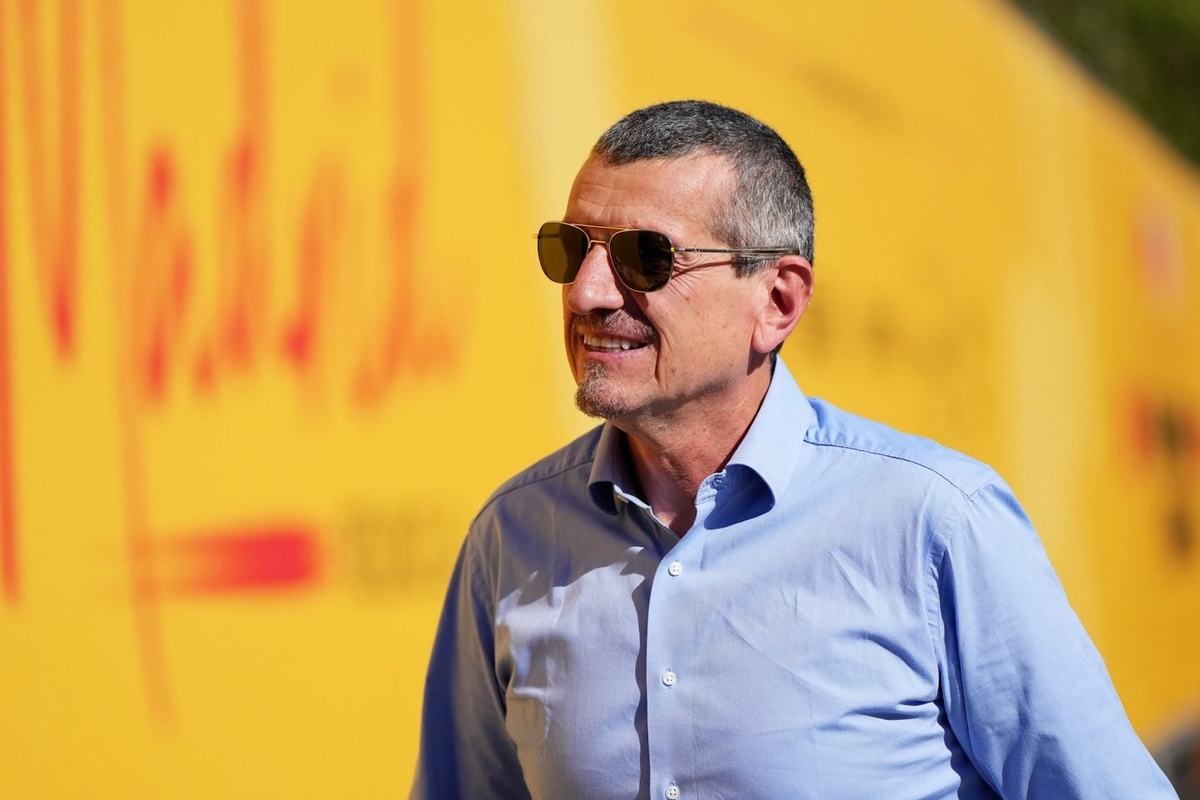
The crux of Steiner’s argument is that Vowles and the Williams leadership are shifting the narrative to cover for a lack of strategic planning. By blaming the regulations, Steiner suggests that Williams is deflecting from the fact that they did not prioritize these upgrades when they had the opportunity. The mention of "65 versus 75 five-axis machines" serves as a metaphor for the team’s operational inefficiency, implying that the lack of equipment is a symptom of poor historical capital allocation rather than a systemic regulatory failure.
Data and Performance: The Reality of the Grid
Williams currently sits ninth in the 2024 Constructors’ Championship with 11 points. This performance is a modest improvement from their previous years, but it remains a significant distance from the midfield leaders. The statistical reality is that the gap between the top teams and the bottom teams has closed in terms of lap time, but the operational gap—the ability to produce upgrades quickly and efficiently—remains wide.
- Cost Cap Compliance: Every team is subject to the same $135 million base spending limit (adjusted for inflation and various factors).
- Investment Allowances: The FIA has permitted certain "Capital Expenditure" windows for teams to modernize their facilities, provided they meet specific criteria.
- The "Wait and See" Strategy: Steiner highlights that Williams publicly stated in 2023 that their primary focus was the 2026 technical regulation overhaul. He questions how the team could set such a long-term goal without realizing—or disclosing—that their facilities were incapable of supporting that ambition until well into the current cycle.
Implications for the Future of Formula 1
The dispute between Steiner and Vowles is representative of a larger, ongoing conflict within the Formula 1 paddock: the struggle between the "haves" and "have-nots." The current regulatory structure is intended to prevent runaway spending, but smaller teams argue that it locks in the status quo, making it impossible for them to catch up to teams that invested heavily in their infrastructure before the cost cap was implemented.
Industry analysts suggest that the FIA may eventually introduce a more flexible tier system for CapEx to allow for "catch-up" investments. However, this is met with resistance from top teams who fear that any loosening of the rules will lead to a loophole-ridden environment where teams can hide operational spending under the guise of infrastructure improvement.
For Williams, the path forward is fraught with political maneuvering. Vowles has successfully navigated the commercial side of the team, bringing in high-profile drivers like Carlos Sainz for the 2025 season. However, as the team looks to move up the order, the pressure to produce results on track will only increase. Whether or not they secure the regulatory breathing room they desire, the expectations for the Grove outfit are rising, and the patience of the grid—as evidenced by Steiner’s comments—is wearing thin.
Concluding Perspectives
Guenther Steiner’s commentary serves as a stark reminder of the cutthroat nature of Formula 1 leadership. By framing the situation as "crocodile tears," he is effectively challenging the legitimacy of the current lobbying efforts by Williams. For James Vowles, the challenge is twofold: he must continue to manage the technical and financial transition of a legacy team while navigating a paddock that is increasingly skeptical of calls for regulatory leniency.
As the 2025 season approaches and the 2026 regulation reset looms, the industry will be watching to see if Williams can bridge the gap through sheer operational efficiency or if they will continue to be hampered by the infrastructure deficits that currently define their struggle. The debate is no longer just about racing; it is about the fundamental definition of fairness in a sport where the barrier to entry—and the cost of staying relevant—has never been higher. Whether Steiner’s assessment is viewed as harsh or merely pragmatic, it underscores a pivotal moment for Williams Racing as they attempt to reconcile their storied past with the realities of a highly regulated future.