
Italy Mourns An Ambassador And His Bodyguard Killed In Congo
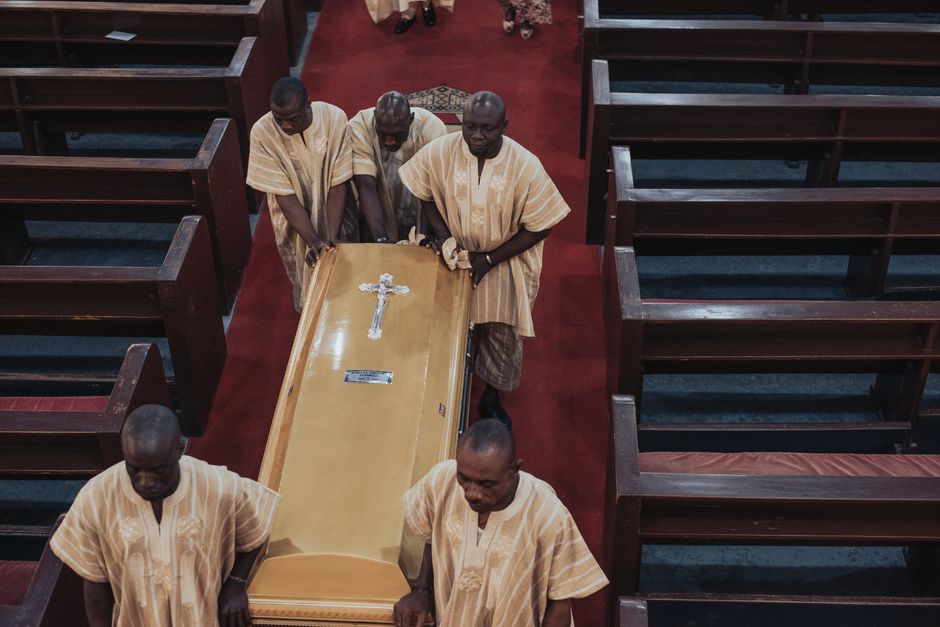
Italy Mourns Ambassador Luca Attanasio and Carabiniere Vittorio Iacovacci: A Tragic Loss in the Democratic Republic of Congo
The tragic death of Italian Ambassador Luca Attanasio and his Carabinieri bodyguard, Vittorio Iacovacci, during an attack in the Democratic Republic of Congo (DRC) has sent shockwaves through Italy and the international diplomatic community. The incident, which occurred on February 22, 2021, near the eastern city of Goma, underscores the persistent dangers faced by diplomats and aid workers in volatile regions, and has ignited a renewed focus on the ongoing conflict and humanitarian crisis in the eastern DRC. The attack, attributed to armed groups operating in the region, has prompted widespread condemnation and calls for a thorough investigation into the circumstances surrounding their deaths.
Ambassador Attanasio, a respected diplomat with a deep commitment to fostering peace and development in Africa, had been serving as Italy’s envoy to the DRC since 2017. His dedication to humanitarian causes and his proactive approach to engaging with local communities were widely recognized. His role in facilitating dialogue and supporting Italian-funded development projects aimed at improving the lives of Congolese citizens was a testament to his vision and empathy. Prior to his posting in Kinshasa, Attanasio had held significant diplomatic positions in Switzerland and Nigeria, demonstrating a career trajectory marked by service and a passion for international relations. He was married with three children, making his loss particularly devastating for his family.
The other victim, Carabiniere Vittorio Iacovacci, was a vital member of Ambassador Attanasio’s security detail. His death highlights the inherent risks associated with providing protection in conflict zones. Iacovacci, described as a brave and dedicated officer, was on his first international mission. His sacrifice, alongside the Ambassador’s, serves as a stark reminder of the sacrifices made by those who work to ensure the safety and security of diplomatic personnel in challenging environments. His family, like the Ambassador’s, is grappling with an unimaginable loss, mourning the untimely demise of a son and brother.
The attack took place approximately 15 miles north of Goma, the capital of North Kivu province, while the Ambassador and his entourage were en route to visit a World Food Programme (WFP) school feeding program in Rutshuru territory. The WFP had organized the convoy to ensure the security of the delegation. The precise details of the ambush remain under investigation, but initial reports suggest that the perpetrators, believed to be members of a rebel group, opened fire on the vehicles. The motive for the attack is not yet definitively established, but the region is known for the presence of numerous armed militias engaged in illicit activities, including kidnappings for ransom, and control over natural resources. The presence of these groups has been a persistent destabilizing factor in eastern DRC for decades.
The eastern Democratic Republic of Congo has long been plagued by insecurity and humanitarian crises. The region, rich in natural resources, has been a magnet for various armed groups, including the Democratic Forces for the Liberation of Rwanda (FDLR), the Allied Democratic Forces (ADF), and various Mai-Mai militias. These groups are involved in widespread violence, including killings, sexual violence, and displacement of civilian populations. The ongoing conflict has led to one of the world’s most severe humanitarian emergencies, with millions of people displaced and in need of assistance. The WFP’s school feeding program, which the Ambassador was visiting, is a critical initiative aimed at combating malnutrition and encouraging school attendance among children in this severely affected area. The attack on the convoy highlights the vulnerability of even well-intentioned humanitarian efforts in such a volatile environment.
The Italian government, led by Prime Minister Mario Draghi, reacted with profound grief and immediate action. Prime Minister Draghi expressed his deep sorrow and condemned the attack in the strongest possible terms. He vowed to pursue all avenues to ascertain the facts and bring those responsible to justice. The Italian Ministry of Foreign Affairs, led by Minister Luigi Di Maio, immediately initiated contact with Congolese authorities and the United Nations peacekeeping mission in the DRC (MONUSCO) to gather information and coordinate efforts. The Italian Carabinieri, to which Vittorio Iacovacci belonged, also expressed their profound grief and solidarity with his family. The national flag was flown at half-mast across Italy in honor of the fallen.
The investigation into the attack is being conducted by both Congolese and Italian authorities, with support from MONUSCO. The complex nature of the security situation in eastern DRC presents significant challenges to any investigation. Access to the crime scene can be difficult due to ongoing hostilities, and the fragmented nature of armed groups makes attribution of responsibility complex. Italian investigative bodies have dispatched teams to the DRC to assist in the inquiry. The priority is to identify the perpetrators and understand the specific circumstances that led to this tragic loss of life. Diplomatic efforts are also underway to urge greater cooperation from regional governments in addressing the persistent security challenges in the eastern DRC.
The killing of Ambassador Attanasio and Carabiniere Iacovacci has amplified international calls for a more concerted effort to stabilize the eastern DRC and address the root causes of the ongoing conflict. The United Nations, through MONUSCO, has been engaged in peacekeeping operations in the DRC for over two decades, but the persistent violence underscores the limitations of military intervention alone. Many analysts believe that a comprehensive approach is needed, one that addresses issues of governance, economic development, and accountability for human rights abuses. The international community has also been urged to increase humanitarian assistance to the millions affected by the conflict.
The diplomatic community has expressed its solidarity with Italy and condemned the attack. United Nations Secretary-General António Guterres called the killings a "senseless act of violence" and reiterated the UN’s commitment to supporting peace and stability in the DRC. European Union leaders also issued statements of condemnation and offered their condolences. The tragic event serves as a stark reminder of the dangers faced by those working to promote peace, security, and development in some of the world’s most challenging environments. It also highlights the need for enhanced security measures for diplomatic personnel and humanitarian workers operating in conflict zones.
Ambassador Attanasio’s legacy will be remembered for his unwavering dedication to serving his country and his profound belief in the power of diplomacy to foster positive change. His work in the DRC, focused on humanitarian aid and development, aimed to build a more stable and prosperous future for the Congolese people. Carabiniere Iacovacci’s sacrifice will serve as a symbol of the courage and commitment of those who dedicate their lives to protecting others in the line of duty. Their deaths represent a significant loss for Italy and a tragic reminder of the enduring challenges of peacebuilding in conflict-affected regions. The incident has undoubtedly spurred a re-evaluation of security protocols and strategies for diplomatic missions in high-risk areas globally. The long-term implications of this tragedy may include increased international pressure for accountability and a renewed focus on diplomatic solutions to protracted conflicts.
