Lawsuit Accusing Spotify of Turning a Blind Eye to Billions of Fraudulent Drake Streams Permanently Dismissed

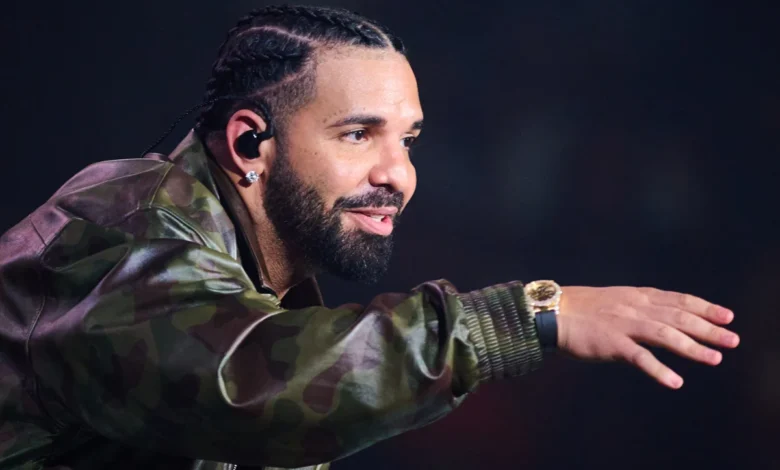
A high-stakes legal battle centered on the mechanics of music streaming economics and the integrity of digital royalties has reached a definitive conclusion in a federal courtroom. A U.S. district judge has permanently dismissed a proposed class-action lawsuit that accused streaming giant Spotify of turning a blind eye to billions of allegedly fraudulent streams of music by superstar rapper Drake. The ruling brings a definitive halt to a legal challenge that sought to scrutinize how modern digital platforms distribute revenue among artists.
The dismissal, handed down on a Friday by U.S. District Judge Josephine L. Staton, marks the end of a meticulously watched legal crusade initiated by rapper Eric Dwayne Collins, better known by his stage name RBX—who is famously recognized as the cousin of legendary West Coast artist Snoop Dogg. Collins spearheaded the class-action complaint to challenge the foundational distribution models of the world’s leading audio streaming services, targeting what he described as systemic vulnerabilities that allow bad actors to manipulate play counts and siphon away legitimate earnings.
However, Judge Staton’s 16-page ruling dismantled the core pillars of the lawsuit. The court found that Collins failed to legally establish that Spotify owed him a specific legal duty or that he had sustained the kind of direct, actionable harm necessary to sustain a standard negligence claim under federal law. Furthermore, the ruling rejected allegations that Spotify had committed fraud, unfairly enforced its platform rules, or deliberately harmed consumers and industry competitors through its operational practices.
Anatomy of the Lawsuit and the Streamshare Economic Model
To understand the gravity of the litigation, one must examine the financial mechanics of modern music consumption. Spotify operates under a unique "streamshare" royalty distribution model. Rather than paying artists directly based on an individual subscriber’s listening habits—a concept known as user-centric payment systems—Spotify pools subscription fees and advertising revenues into a massive collective pot.
At the end of each payment cycle, this pool is divided and distributed to rights holders based on their aggregate share of total streams across the entire platform. Consequently, if a specific artist or a network of automated accounts generates billions of inauthentic plays, they capture a disproportionately larger slice of the financial pie. This dynamic inevitably diminishes the monetary pool available to compensate artists whose streams originate from genuine human listeners.
In his initial complaint, which first surfaced publicly in November through investigative reporting by Rolling Stone, Collins argued that a "substantial, non-trivial percentage" of Drake’s staggering 37 billion catalog streams were completely inauthentic. The lawsuit alleged that these inflated numbers were not the result of organic fan engagement, but rather the output of a sprawling, sophisticated network of automated bot accounts designed to manipulate Spotify’s algorithms and artificially inflate commercial standing.
Despite the explosive nature of the allegations, Drake—whose legal name is Aubrey Graham—was not formally named as a defendant in the Spotify-centric class action. Legal representatives for the Canadian rap icon declined to comment following the final dismissal. Similarly, attorneys representing both Collins and Spotify elected not to issue immediate public statements regarding the court’s definitive ruling.
Legal Reasoning and the Judicial Rejection
Judge Staton’s decision hinged on the legal boundaries governing the relationship between digital platform operators and individual content creators. While acknowledging the glaring power imbalance between a multi-billion-dollar technology corporation and individual independent artists, the judge emphasized that economic disparity alone does not translate to legal liability or breach of fiduciary duty.
"Although plaintiff may have less power in the music industry as compared to Spotify, that does not mean his relationship with Spotify is characterized by any protection Spotify gives to plaintiff," Judge Staton wrote in her judicial opinion. She characterized the operational dynamic as a "mutually beneficial economic" relationship, noting that it reflects the standard, albeit unequal, leverage typical of corporate-to-individual dealings in the modern entertainment sector.
Crucially, Judge Staton had previously dismissed an earlier iteration of Collins’s complaint, opting at that time to grant the plaintiff an opportunity to amend his filings to address underlying legal deficiencies. However, upon reviewing the first amended complaint, the court determined that the newly introduced facts still failed to bridge the legal gaps. Consequently, the dismissal was granted with prejudice, meaning Collins is legally barred from refiling these specific federal claims in the same jurisdiction.
A Wider Web of Legal Troubles: The Stake.us and Adin Ross Connection
While the federal dismissal closes the chapter on the Spotify-focused class action, it does not entirely insulate the broader ecosystem surrounding streaming metrics and promotional partnerships from legal scrutiny. The decision arrives on the heels of related legal maneuvers that highlight growing regulatory and civil interest in the intersection of digital streaming, social media promotion, and online gambling platforms.
Just three months prior to Staton’s final ruling, a federal judge in Virginia ordered a procedural pause on a separate, high-profile lawsuit. That distinct case directly names Drake, alongside internet personality Adin Ross, accusing the duo of leveraging the online cryptocurrency casino platform Stake.us to bankroll a coordinated "bot army." According to the plaintiffs in that matter, this alleged bot network was deployed to artificially boost streams of Drake’s musical catalog while simultaneously drawing vulnerable consumers into predatory gambling environments.
On July 30, the federal judge in the Virginia proceeding stayed the case, ruling that it must remain on hold pending formal arbitration between Stake and the aggrieved plaintiffs. The lawsuit contends that consumers were aggressively influenced to participate in high-risk gambling operations after viewing Drake’s heavily publicized promotional campaigns for the platform, which included livestreamed wagering sessions and substantial public giveaways. Representatives for Drake similarly declined to comment when those allegations were initially brought to light.
Broader Industry Implications and the Future of Streaming Integrity
The permanent dismissal of the Spotify class action serves as a pivotal moment for the digital streaming landscape, illustrating the formidable legal hurdles independent creators face when attempting to challenge platform-level policies and royalty distribution frameworks. While streaming fraud—often executed via click farms, automated scripts, and bot networks—remains an open secret and a persistent operational headache for digital service providers, the courts have signaled that private litigants must clear a remarkably high bar to hold platform operators legally accountable for third-party manipulation.
Major streaming services, including Spotify, Apple Music, and Amazon Music, have increasingly deployed sophisticated algorithmic detection tools designed to identify and filter out anomalous streaming patterns before royalties are disbursed. However, as the sophistication of bot deployment evolves, the cat-and-mouse game between platforms and bad actors continues unabated.
For independent artists and legacy creators alike, the legal defeats underscore the harsh realities of modern music economics. As digital platforms continue to defend their operational immunity and contractual terms, accountability mechanisms remain largely internal, leaving aggrieved creators with limited judicial recourse. As the industry watches how related litigations—such as the ongoing arbitration involving Stake.us—unfold, the fundamental debate over streaming transparency, algorithmic fairness, and the true value of a digital play count remains far from settled.