Luca Guadagnino Abandons American Psycho Adaptation at Lionsgate After Development Stall

Acclaimed filmmaker Luca Guadagnino has officially confirmed that his highly anticipated cinematic reinterpretation of Bret Easton Ellis’s seminal 1991 satirical psychological horror novel, American Psycho, is no longer moving forward at Lionsgate. The cancellation brings a sudden halt to a project that had generated substantial industry buzz since its initial announcement in late 2024, promising a fresh, modern perspective on one of contemporary literature’s most notorious antiheroes.
During a recent appearance on Deadline’s Crew Call podcast hosted by Anthony D’Alessandro, Guadagnino candidly addressed the status of the film. While the director praised the work put into the foundational stages of production, he admitted that the movie has stalled indefinitely.
"Scott Z. Burns wrote a fantastic script. Unfortunately for me, as we speak, it’s not happening," Guadagnino told the podcast.
The filmmaker did not provide specific reasons for the project’s collapse, and representatives for Lionsgate declined to comment when approached by entertainment media outlets. The sudden shelving of the film marks a significant shift for the studio, which had previously positioned the adaptation as a cornerstone of its upcoming prestige development slate.
Project Origins and Creative Vision
The adaptation was first unveiled in October 2024, sparking immediate widespread discussion across the entertainment industry. Produced under Guadagnino’s Frenesy Films banner, the enterprise was framed not as a direct remake of Mary Harron’s iconic 2000 feature film, but rather as an entirely new interpretation of Ellis’s original source material.
At the time of the announcement, Lionsgate Motion Picture Group Chair Adam Fogelson expressed immense enthusiasm for the collaboration, emphasizing the studio’s confidence in Guadagnino’s distinct artistic voice.
"We are thrilled to add another elite filmmaker to our upcoming slate," Fogelson said in an October 2024 statement. "Luca is a brilliant artist, and the perfect visionary to create a whole new interpretation of this potent and classic IP."
The screenplay was entrusted to acclaimed writer Scott Z. Burns, known for his work on politically and socially charged thrillers such as Contagion, The Report, and The Laundromat. Burns’ script reportedly aimed to reexamine the text through a contemporary lens, diving deeper into the themes of hyper-consumerism, superficiality, and moral vacuum that defined the original Wall Street-centric narrative.
The Legacy of the 2000 Film and Christian Bale’s Reaction
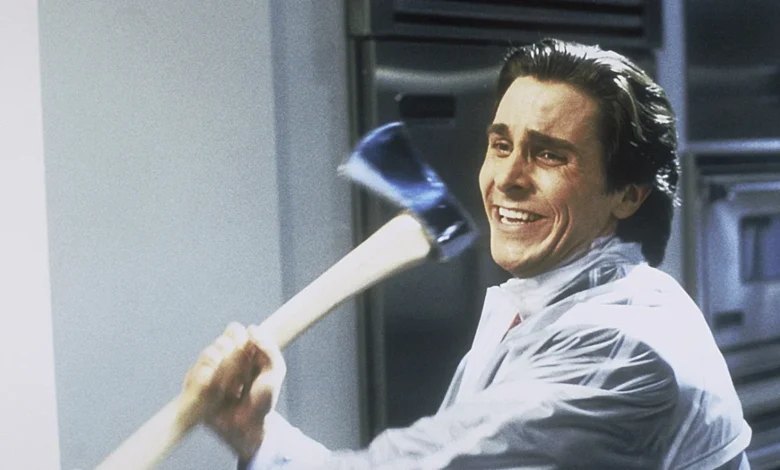
Any new attempt to bring Patrick Bateman to the silver screen inevitably invites comparisons to the 2000 cult classic directed by Mary Harron. That film famously starred Christian Bale as the chilling, yuppie serial killer and investment banker Patrick Bateman, alongside a star-studded ensemble cast featuring Jared Leto, Willem Dafoe, Chloë Sevigny, and Reese Witherspoon. While initially polarizing upon its release due to its graphic violence and pitch-black satire, Bale’s performance has since ascended to legendary status, firmly embedding itself in modern pop culture lexicon and spawning countless internet memes and cultural references.
When news of Guadagnino’s prospective adaptation first broke, Bale was approached by media outlets for his perspective on a new actor stepping into the iconic role. Speaking to trade publications in March, the Oscar-winning actor expressed gracious support for whoever might take on the challenge.
"Whoever wants to give it a shot, give it a pop," Bale remarked. "I loved making it with [director] Mary Harron so many years back, fantastic memories of it all. Bold choice of anyone to try to do a — I don’t know if they’re doing a remake or what, I don’t know anything else about it. But all the best to ’em; I like brave people."
Timeline of Development and Collapse
The timeline of the American Psycho project highlights the rapid and unpredictable nature of studio filmmaking, where creative alignment, scheduling, and shifting corporate priorities can derail even the most high-profile ventures:
- October 2024: Lionsgate officially announces the development of a new cinematic adaptation of Bret Easton Ellis’s novel American Psycho, with Luca Guadagnino attached to direct and Scott Z. Burns hired to write the screenplay under Frenesy Films.
- March 2025: Original star Christian Bale publicly wishes the creative team well, noting the boldness of revisiting the material.
- Mid-2025: Reports emerge indicating quiet stalls in pre-production logistics, though official word from the studio remains absent.
- Late 2025: Luca Guadagnino officially confirms on Deadline’s Crew Call podcast that the project is no longer moving forward, citing that Burns’ completed script will not be brought to the screen under his direction.
Implications for Guadagnino and Lionsgate
The shelving of American Psycho represents a notable missed opportunity for Lionsgate, which has actively sought to leverage recognizable intellectual property with elevated auteur directors. For Guadagnino, however, the cancellation does little to slow down an exceptionally busy and diverse filmmaking schedule.
The Italian auteur continues to cement his status as one of contemporary cinema’s most prolific directors. Following a string of critically praised releases, Guadagnino’s next major directorial effort is Artificial, a drama starring Andrew Garfield that charts the meteoric rise of OpenAI and the dramatic 2023 ousting and subsequent reinstatement of CEO Sam Altman. That feature is slated for a high-profile theatrical release on Christmas Day courtesy of distributor Neon, indicating that the director has quickly pivoted his immense creative momentum toward current-day technological and corporate drama.
Meanwhile, the status of Bret Easton Ellis’s Patrick Bateman on screen remains frozen in time. As Hollywood continues its relentless pursuit of legacy IP reboots and literary adaptations, whether another studio or filmmaker will eventually attempt to tackle the darkly satirical world of 1980s Wall Street excess remains an open question. For now, Mary Harron’s 2000 adaptation remains the definitive cinematic translation of Ellis’s provocative work, safely preserving Christian Bale’s chilling portrayal for future generations of film enthusiasts.