COP31 Climate Summit in Antalya Becomes Largest in History with Over 95,000 Registered Participants

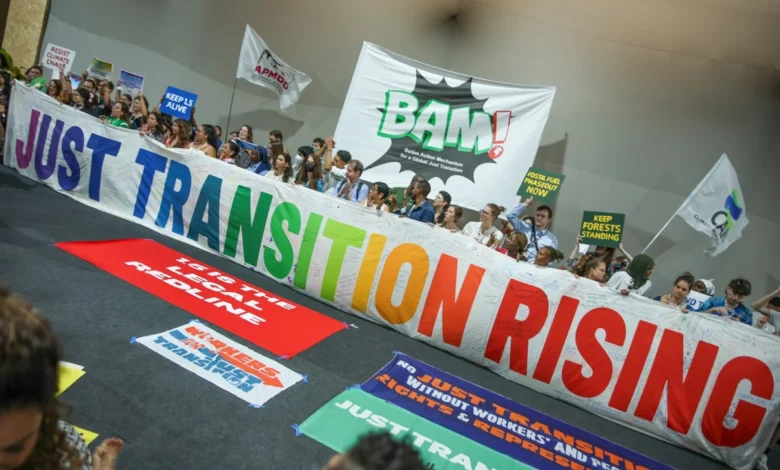
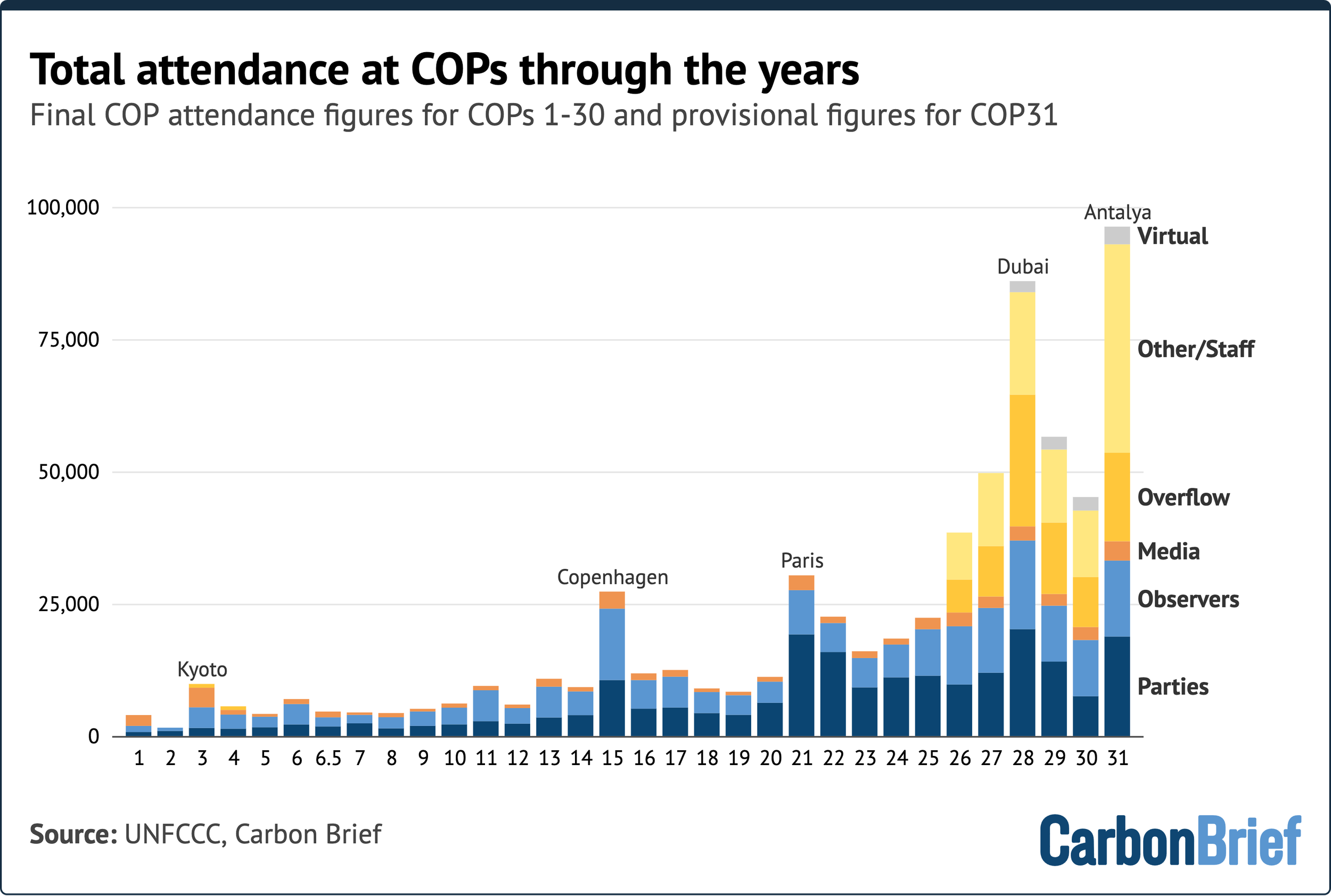
The United Nations Climate Change Conference, known as COP31, has officially commenced in Antalya, Turkey, setting a new benchmark for global participation in environmental diplomacy. Provisional registration data released by the United Nations Framework Convention on Climate Change (UNFCCC) indicates that more than 92,000 individuals have registered to attend the summit in person. When accounting for an additional 3,000 virtual delegates, the total attendance figures surpass 95,000, solidifying this year’s gathering as the largest COP in the history of the UNFCCC process. This figure surpasses the previous record set at COP28 in Dubai, which hosted over 80,000 participants, and marks a significant increase from last year’s COP30 in Belém, Brazil.
A Surge in Participation and Logistical Shifts
The unprecedented scale of COP31 is driven largely by a sharp rise in the number of "host country guests." According to an analysis of UNFCCC documentation, more than 14,000 delegates are currently registered under this specific category. For historical context, the final registration list for COP30 in Belém included approximately 1,300 host country guests, while COP29 and COP28 recorded 1,651 and 4,202, respectively. This dramatic expansion in the host category, alongside a robust presence of party delegates, observers, and media, suggests that the Turkish government has placed a high priority on domestic engagement and local stakeholder involvement in the climate negotiation process.
The participant base is divided into several key groups. Party delegates—representing nation-states and the European Union—account for 18,812 individuals, a figure that jumps to over 34,000 when accounting for "overflow" designations. Observer groups, which include non-governmental organizations (NGOs), UN agencies, and intergovernmental bodies, represent another substantial block of 13,388 attendees. The media presence is similarly significant, with 3,645 journalists registered to cover the proceedings, making it the second-largest media contingent in the history of the climate summits, trailing only the 1997 Kyoto summit.
Geopolitical Realities and Notable Absences
While the summit boasts record-breaking attendance, the list of attendees reveals significant geopolitical fractures. Following a pattern observed at the previous summit, the United States government under President Donald Trump has declined to send an official delegation to Antalya. This absence continues a trend of disengagement from the UNFCCC process by the current US administration. Additionally, Israel and Myanmar remain notably absent from the provisional lists.
Regarding Afghanistan, initial reports prior to the summit suggested that Taliban officials might attend as observers. However, an examination of the current UNFCCC provisional lists confirms that no representatives from Afghanistan are officially registered as observer state delegates. This highlights the complex diplomatic hurdles that remain regarding the international recognition of governing bodies in conflict-affected regions.
Delegation Sizes and Regional Representation
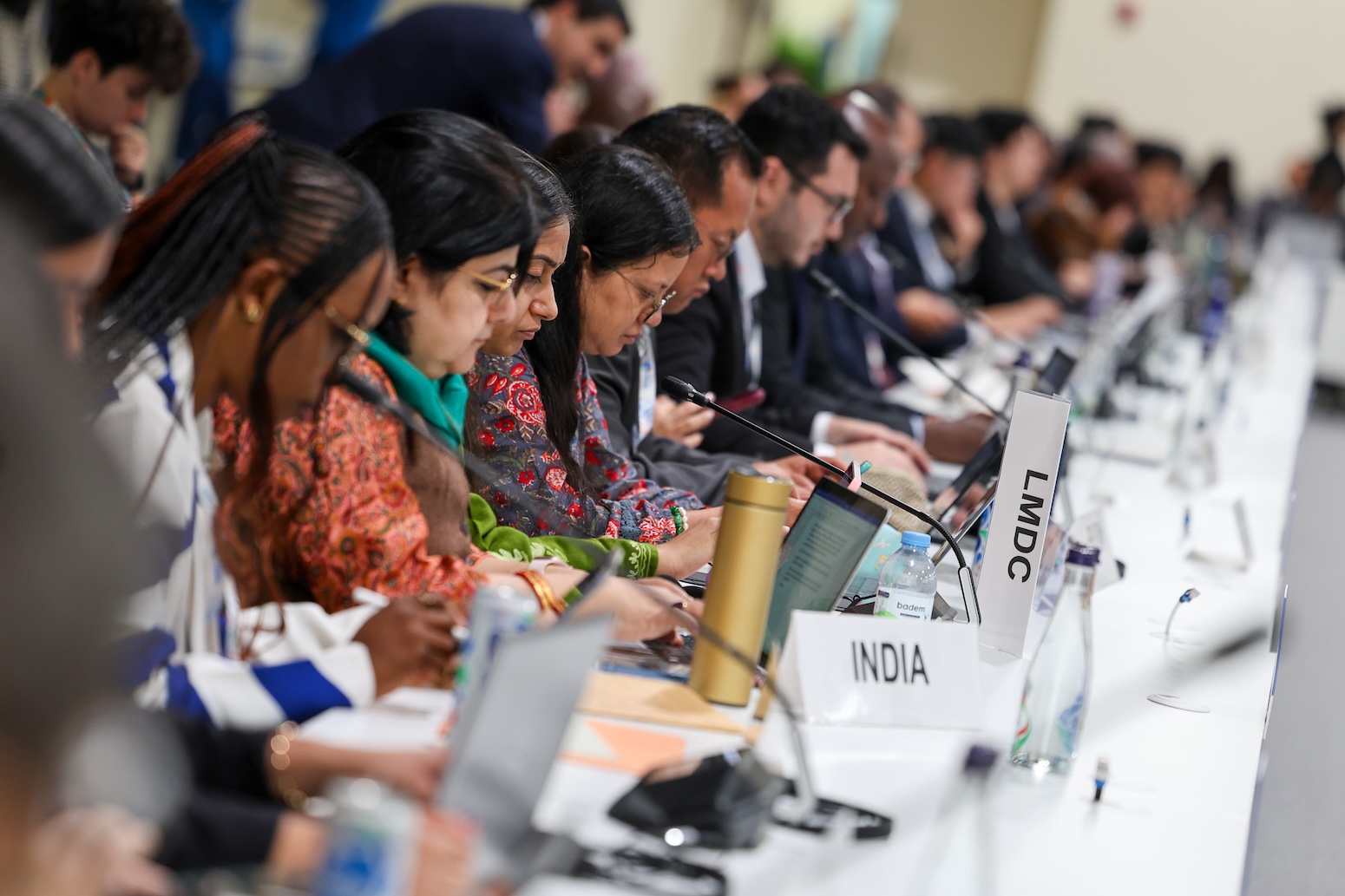
The size of delegations often mirrors a nation’s domestic climate priorities, its financial capacity, or its specific interest in the outcomes of the negotiations. Host nation Turkey leads the registration figures with 2,950 participants. Following the host, the largest delegations are drawn from Brazil (1,994), Nigeria (1,506), China (1,021), and Indonesia (978). The top ten is rounded out by Australia, Uganda, Italy, Japan, and Kazakhstan. The United Kingdom, by comparison, has registered a delegation of 255 people.
At the other end of the spectrum, some nations have sent minimal official representation. North Korea has registered only two delegates, while Eritrea and Nicaragua have sent three each. Analysts note that these numbers can sometimes be misleading; some nations, such as Brazil, allocate a portion of their official party badges to representatives from civil society and environmental NGOs, which can artificially inflate the size of their reported delegation compared to countries that maintain a strict government-only policy.
Gender Balance and Institutional Progress
The UNFCCC has long tracked the gender composition of delegations as part of its commitment to inclusive climate policy. Analysis of the COP31 provisional lists, based on titles provided during registration, shows an average gender balance of 59% men to 41% women among party delegations. While this indicates a slight regression in parity compared to the most recent summits, it remains part of a long-term upward trend in the representation of women in climate negotiations since the inception of the COP process in 1995.
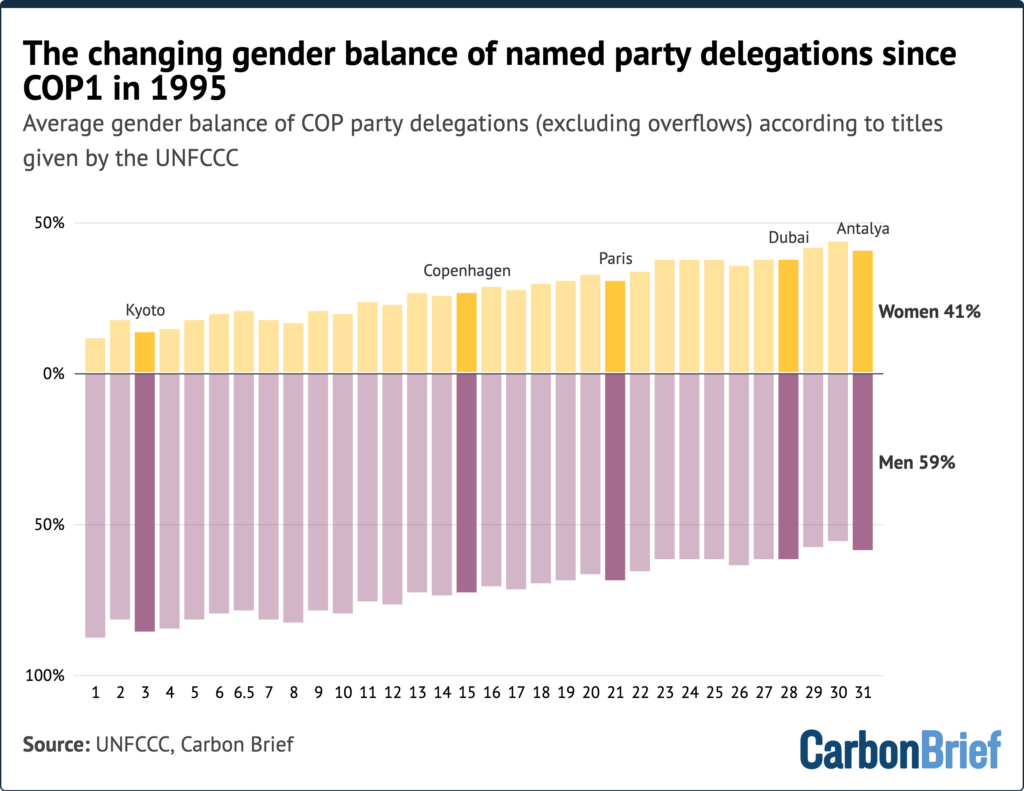
Notably, the UNFCCC has increasingly adopted gender-neutral titles—such as "Dr," "Prof," or "Ambassador"—which now account for roughly 1.3% of the registrations. This transition reflects an ongoing effort by the international community to modernize the registration system and move away from traditional binary labels. Despite these efforts, some delegations remain heavily skewed. For instance, the delegations from North Korea and Eritrea remain composed entirely of men, according to current records.
The Role of Observers and Financial Transparency
Observers are a critical component of the COP architecture, providing expertise, advocacy, and public accountability. At COP31, the vast majority of these observers are from NGOs, ranging from global charities like WWF and Amnesty International to industry-focused groups like the International Gas Union.
A major institutional change introduced at COP30—and maintained at COP31—is the option for observers to disclose their primary sources of funding. Of the 12,413 NGO observers registered in Antalya, approximately 86% chose to disclose this information. Data reveals that 56% of these organizations are funded by other NGOs, 12% by academic or research institutions, and 8% by private sector or business entities. Furthermore, the UNFCCC invited observers to declare whether their participation aligns with the objectives of the Paris Agreement and the Kyoto Protocol. Over 13,000 delegates affirmed this alignment, underscoring the broad coalition of support for the current international climate framework.
Broader Implications and Future Outlook
The massive scale of COP31 in Antalya presents both opportunities and challenges. On one hand, such high levels of engagement suggest that the climate crisis remains a top-tier priority for global actors, from state leaders to corporate stakeholders. The presence of nearly 100,000 people creates a unique hub for policy exchange, technological showcase, and diplomatic networking.
Conversely, the sheer volume of attendees raises questions regarding the efficiency of the negotiation process. Critics often argue that as the number of delegates increases, the complexity of reaching consensus on critical issues—such as climate finance, emission reduction targets, and the "just transition"—becomes exponentially harder. The summit is already facing headwinds, with recent reports indicating that global climate-finance pledges have fallen by approximately 70% compared to previous years, placing immense pressure on negotiators in Antalya to bridge the funding gap.
As the summit progresses, the focus will likely shift from the logistics of participation to the substance of the "Belém-Antalya mechanism," an initiative designed to foster a "just transition" for labor markets affected by the global shift away from fossil fuels. The success of this summit will ultimately be judged not by the number of badges issued or the scale of the venue, but by the ability of these thousands of participants to navigate the competing interests of 197 parties and deliver actionable, binding commitments. The record-breaking turnout in Antalya underscores a clear global consensus that the climate crisis is an inescapable reality, yet the path toward meaningful, collective action remains as arduous as ever.