New Hope for Bone Health: Leipzig Researchers Identify Receptor GPR133 as a Breakthrough Target for Osteoporosis Treatment

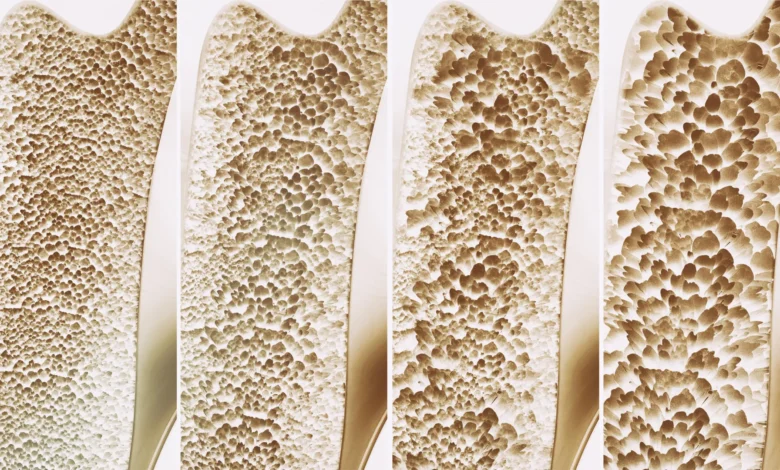
Osteoporosis stands as a silent epidemic, undermining the skeletal integrity of millions worldwide and imposing a significant burden on global healthcare systems. In Germany alone, approximately six million individuals—a demographic predominantly comprised of post-menopausal women—grapple with the condition, which is characterized by diminished bone mineral density and an escalating susceptibility to fractures. For decades, medical practitioners have struggled to identify long-term therapeutic interventions that offer both safety and sustained efficacy. However, a significant advancement from the Rudolf Schönheimer Institute of Biochemistry at Leipzig University suggests that the answer may lie in a previously understudied biological gateway known as the GPR133 receptor.
The Landscape of Osteoporosis Management
Current clinical approaches to osteoporosis are frequently hampered by adverse side effects or limitations in long-term viability. Standard treatments often involve bisphosphonates, which inhibit bone resorption, or anabolic agents that stimulate bone formation. Yet, these therapies are not without risks, ranging from gastrointestinal distress to rare cases of jaw osteonecrosis or atypical femoral fractures. Because of these challenges, the scientific community has been engaged in a persistent search for novel biological targets capable of preserving or regenerating bone tissue without compromising systemic health.
The emergence of GPR133 as a potential therapeutic target marks a pivot point in this research. Part of the adhesion G protein-coupled receptor (aGPCR) family, GPR133 acts as a molecular antenna on the surface of cells, transducing signals from the cellular environment into the nucleus. While the broader GPCR family has been the subject of extensive pharmacological exploration—accounting for nearly one-third of all FDA-approved drugs—the adhesion subfamily has remained relatively opaque. The Leipzig team’s findings suggest that GPR133 is not merely a bystander, but a primary regulator of the homeostatic cycle of bone maintenance.
Chronology of Discovery: From Computer Screening to Biological Validation
The journey to identifying GPR133 as a bone-regulatory mechanism began with an interdisciplinary approach that leveraged computational biology. Researchers at Leipzig University, supported by the university’s long-standing focus on GPCR structural dynamics, utilized computer-assisted screening to identify molecules capable of modulating this specific receptor.
The turning point occurred with the identification of AP503, a small-molecule compound that acts as a potent stimulator of GPR133. Following the identification of AP503, the research team, led by Professor Ines Liebscher, transitioned to in vivo models. The chronology of the study reveals a compelling sequence:
- Genetic Validation: Researchers observed that mice with genetic impairments to GPR133 exhibited early-onset bone density loss, mimicking the pathophysiology of human osteoporosis.
- Pharmacological Intervention: The administration of AP503 to these mice demonstrated a marked reversal of bone loss.
- Synergistic Effects: Remarkably, the treatment was effective not only in osteoporotic models but also in healthy subjects, suggesting a dual potential for prevention and recovery.
Biological Mechanisms of Action
To understand the efficacy of the GPR133 pathway, one must look at the "bone remodeling cycle." Bone is dynamic tissue, constantly undergoing resorption by osteoclasts and synthesis by osteoblasts. Osteoporosis occurs when this balance tips, favoring excessive resorption or insufficient formation.
GPR133 appears to act as a regulatory toggle. When the receptor is activated by physical forces or the presence of specific ligands like AP503, it triggers intracellular signaling pathways that modulate the behavior of these two cell types. Specifically, the activation of GPR133 encourages osteoblast proliferation while simultaneously suppressing the hyper-activity of osteoclasts. By shifting this equilibrium, the skeletal structure is granted the metabolic "permission" to increase density and durability. AP503 essentially functions as a mimic for the natural ligands that activate this receptor, providing a controlled, exogenous method to stimulate the body’s own regenerative capabilities.
Implications for an Aging Population: The Muscle-Bone Axis
Perhaps the most intriguing aspect of the Leipzig study is the potential for multi-tissue benefit. An earlier investigation by the same research group identified that AP503 also plays a crucial role in strengthening skeletal muscle. This dual-action capability—impacting both bone density and muscle mass—is of profound clinical relevance.
In the context of geriatrics, the "frailty syndrome" is often driven by the simultaneous decline of both bone and muscle (sarcopenia). Falls in the elderly are rarely caused by bone fragility alone; they are the result of a complex interplay between muscle weakness, impaired gait, and compromised skeletal structure. A treatment that simultaneously bolsters the musculoskeletal system could offer a systemic defense against the primary drivers of mobility loss in older populations.
"The newly demonstrated parallel strengthening of bone once again highlights the great potential this receptor holds for medical applications in an aging population," says Dr. Juliane Lehmann, lead author of the study. This "co-therapeutic" potential could eventually lead to a paradigm shift in how clinicians approach geriatric health, moving away from single-target drugs toward therapies that address the functional unity of the human body.
Institutional Legacy and Future Directions
The success of this research is not accidental; it is the culmination of over a decade of concentrated effort by Leipzig University. The institution has solidified its status as an international hub for GPCR research through the Collaborative Research Center 1423, which focuses on the structural dynamics of GPCR activation. By investing in the fundamental science of how these receptors change shape and transmit signals, the university has provided the necessary foundation for the rapid translation of the GPR133 discovery into a therapeutic candidate.
Looking ahead, the research team is moving toward a more granular understanding of GPR133’s wider functions. While the initial data is promising, the path to clinical application is rigorous. Future phases will involve:
- Safety and Toxicity Profiles: Determining the long-term metabolic impact of chronic GPR133 activation in non-skeletal tissues.
- Drug Delivery Optimization: Refining the administration protocols for AP503 to ensure targeted delivery to bone and muscle tissues.
- Broadening the Scope: Investigating whether the receptor’s role in physical signal transduction can be leveraged for other conditions, such as tissue recovery after injury or metabolic bone disorders beyond traditional osteoporosis.
Analytical Perspective: Is the Medical Community Ready?
While the discovery is undeniably significant, experts note that the transition from rodent models to human clinical trials is a complex hurdle. The unique, force-sensitive nature of GPR133 suggests that its regulation is highly sensitive to the physical environment of the bone. Future research will need to determine how systemic pharmacological stimulation with AP503 interacts with natural, load-bearing exercise.
Furthermore, the economic implications are substantial. With the global osteoporosis market projected to continue its expansion as the population ages, a novel therapeutic that offers muscle-strengthening benefits could disrupt current market leaders. However, the scientific community remains cautious, emphasizing that while GPR133 is a "promising target," it must undergo the full battery of phase-based clinical testing to ensure that stimulating this receptor does not produce unintended off-target effects in other organ systems.
As Leipzig University continues its follow-up projects, the scientific world will be watching closely. If the results from the laboratory can be successfully translated to human trials, GPR133 could transition from a relatively obscure receptor to the centerpiece of a new generation of orthopedic medicine. For the millions of individuals currently navigating the risks of fracture and the limitations of existing therapies, this research offers a concrete, evidence-based beacon of progress in the ongoing fight against skeletal decline.