New York becomes the first state in the nation to mandate all-electric construction for new buildings

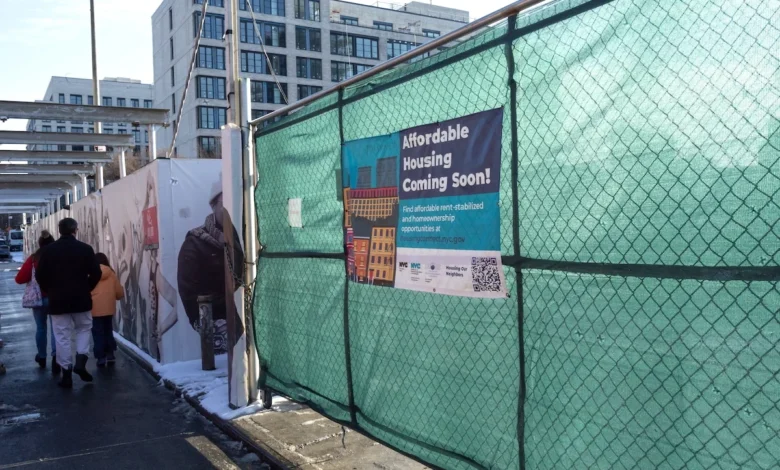
New York has officially solidified its position as a national leader in climate policy, becoming the first state in the United States to require that the vast majority of new building construction projects be powered entirely by electricity, effectively barring the installation of fossil-fuel hookups for heating, cooling, and cooking. This landmark shift, finalized in late July 2025, represents a significant legislative and regulatory victory for environmental advocates and marks a definitive turning point in the state’s long-term strategy to decarbonize its building sector.
The Legislative Path to Electrification
The foundation for this historic mandate was laid in 2023 with the passage of the All-Electric Buildings Act. Following months of administrative review and regulatory drafting, the State Fire Prevention and Building Code Council granted final approval to the measure in late July 2025. This approval effectively codified the state’s commitment to transitioning away from natural gas and heating oil, which have historically been the primary energy sources for space heating and water heating in the Northeast.
The rollout of the mandate is structured in a phased timeline to allow the construction industry sufficient time to adapt to new building codes. Residential buildings up to seven stories in height and commercial or industrial properties under 100,000 square feet with permit applications filed on or after December 31, 2025, will be the first to fall under the new requirements. Larger commercial and industrial structures, defined as those exceeding 100,000 square feet, are granted a longer grace period, with compliance requirements scheduled to take effect by 2029.
Environmental Rationale and Building Emissions
The urgency behind this policy is rooted in data provided by the New York State Department of Environmental Conservation, which identifies the built environment as a primary contributor to the state’s carbon footprint. Buildings are responsible for approximately 31% of all greenhouse gas emissions within New York. By mandating the use of heat pumps, electric stoves, and high-efficiency electric water heaters, the state aims to drastically reduce the carbon intensity of its housing stock.
Beyond the immediate goal of emission reduction, the transition is expected to improve indoor air quality for residents. The combustion of fossil fuels inside homes has long been associated with elevated levels of nitrogen dioxide, carbon monoxide, and particulate matter, all of which pose documented risks to respiratory health.
Addressing Legal Challenges and Industry Resistance
The journey to implementation has not been without significant legal friction. The act faced a concerted effort from building trade groups and fossil fuel industry advocates to stall or overturn the mandate. Opponents utilized arguments similar to those deployed in the legal battle that successfully challenged Berkeley, California’s municipal ban on gas infrastructure—specifically, the argument that federal energy regulations pre-empted state or local attempts to regulate building energy sources.
However, the U.S. District Court of the Northern District of New York provided a crucial boost to the state’s agenda in July 2025, ruling that the state had the authority to move forward with the All-Electric Buildings Act. This decision was hailed by environmental justice groups as a major victory. Dawn Wells-Clyburn, executive director of PUSH Buffalo, stated following the court’s decision that the ruling sent a clear message that the well-being and affordability of communities take precedence over the profit motives of the fossil fuel industry.

Despite this judicial victory, the regulatory landscape remains fluid. Industry groups have reportedly petitioned the U.S. Department of Justice to intervene, seeking to block the act from taking full effect. Legal analysts suggest that while the current mandate is secure, it may remain a focal point of litigation as the state begins enforcement at the end of 2025.
Exemptions and Pragmatic Considerations
Recognizing the complexity of specialized building needs, the state has built in a series of exemptions. These provisions ensure that the law does not impede essential services or critical infrastructure. Facilities such as laboratories, medical centers, and crematoriums, which often require specific, high-intensity energy applications that are not currently feasible through standard electric configurations, will be permitted to maintain fossil fuel connections under specific criteria. Additionally, agricultural buildings and restaurants have been granted specific exemptions to accommodate their unique operational requirements.
Economic Implications for Homeowners and Developers
One of the most persistent arguments against building electrification has been the perceived cost burden on developers and homeowners. However, data from the New Buildings Institute suggests that the transition may actually yield net savings. Research indicates that constructing a 100% electric single-family home can result in construction savings of between $7,500 and $8,200 compared to a traditional home that requires complex gas piping and venting infrastructure.
Furthermore, long-term projections suggest that the policy will provide tangible financial relief for residents. By eliminating the need for gas service lines and reducing reliance on volatile fossil fuel markets, households are projected to see a 17% reduction in energy usage, translating to nearly $5,000 in savings per household over a 30-year period. These cost-effectiveness studies are central to the state’s argument that decarbonization is not only an environmental necessity but an economic benefit for the average citizen.
Broader Context and Future Outlook
New York’s move is part of a larger, global trend toward the electrification of heating and cooling. As cities and states look to meet climate goals, the transition from fossil fuel-based heating to electric heat pumps has become a cornerstone of climate action plans.
Alex Beauchamp, the Northeast region director at Food & Water Watch, emphasized that the passage of the act was the result of sustained grassroots pressure. Beauchamp noted that the victory is not just a milestone for new construction, but a launching pad for future advocacy aimed at addressing the existing building stock. Retrofitting the state’s aging infrastructure remains a far more complex and costly challenge than regulating new construction, yet many climate advocates see the 2025 mandate as the necessary first step in that broader process.
As New York moves toward the December 31 deadline, the construction industry is undergoing a period of rapid adjustment. Developers, architects, and contractors are increasingly pivoting toward heat pump technology and high-performance building envelopes to meet the new standards. The state has indicated that it will provide resources and guidance to help firms transition to these modern building techniques.
The ultimate success of the All-Electric Buildings Act will be measured not only by the reduction in greenhouse gas emissions but by the state’s ability to maintain housing affordability and building safety as the market shifts. With the regulatory framework now in place, New York has set a template for other jurisdictions to follow, signaling to the national market that the era of fossil fuel-based building infrastructure is coming to a close. Whether this model can withstand further federal legal challenges and successfully integrate into the complex real estate markets of cities like New York City will be the defining story of the state’s climate policy in the coming decade.