New York State Finalizes Landmark All-Electric Building Mandate Setting a National Precedent for Urban Decarbonization

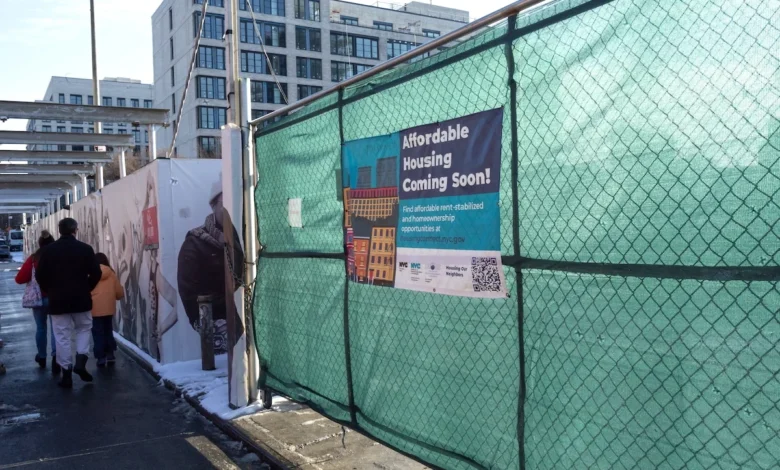
In a historic move that signals a paradigm shift in American urban development and climate policy, New York has officially become the first state in the nation to mandate that nearly all new construction be entirely electric. The finalization of the All-Electric Buildings Act, confirmed following the approval of the State Fire Prevention and Building Code Council in late July 2025, marks the end of a decades-long reliance on fossil fuel infrastructure for heating, cooling, and cooking in new edifices. This landmark regulation effectively prohibits the installation of gas lines and other fossil fuel hookups in most new buildings, steering the Empire State toward a zero-emissions future in line with its aggressive climate goals.
The implementation of this mandate follows years of legislative debate and legal maneuvering. Originally passed as part of the 2023 state budget, the law faced significant opposition from fossil fuel interests and certain segments of the real estate industry. However, a July 2025 ruling by the U.S. District Court for the Northern District of New York cleared the final legal hurdles, allowing the state to move forward with the implementation timeline. The court’s decision was a pivotal moment, as it distinguished New York’s statewide policy from a previous local ordinance in Berkeley, California, which had been overturned by federal courts. With the legal pathway cleared, the New York State Fire Prevention and Building Code Council moved swiftly to integrate these requirements into the state’s building codes.
Implementation Timeline and Structural Scope
The mandate follows a tiered implementation schedule designed to allow the construction industry and the electrical grid to adapt to the new requirements. According to the finalized rules, the first phase of the mandate begins on December 31, 2025. From this date, all new residential buildings up to seven stories tall—excluding those specifically exempted—must be built without fossil fuel equipment. This phase also covers commercial and industrial buildings under 100,000 square feet. This initial rollout targets the most common forms of new housing, ensuring that the next generation of New York’s mid-rise apartments and small-scale commercial spaces are carbon-neutral from the outset.
The second phase of the mandate is scheduled for 2029. At that point, the requirements will extend to larger structures, including residential buildings over seven stories and commercial or industrial facilities exceeding 100,000 square feet. The delay for larger buildings is intended to provide developers and engineers more time to refine the large-scale heat pump technology and thermal systems required for skyscrapers and massive industrial complexes, which present more complex engineering challenges than smaller residential units.
To ensure the law remains practical and does not inadvertently compromise essential services, the state has outlined several specific exemptions. These include agricultural buildings, medical facilities, hospitals, laboratories, and crematoriums. Notably, restaurants are also granted exemptions for certain cooking equipment, acknowledging the specific needs of the culinary industry, though the heating and cooling systems for these establishments must still comply with the electric mandate where feasible. Additionally, the law includes provisions for emergency backup power systems, allowing for the use of fossil fuel generators in situations where life safety and critical infrastructure are at stake.
Environmental and Public Health Imperatives
The primary driver behind the All-Electric Buildings Act is New York’s commitment to the Climate Leadership and Community Protection Act (CLCPA), which requires the state to reduce greenhouse gas emissions by 85% by 2050. Data from the New York State Department of Environmental Conservation (DEC) highlights the urgency of this transition: the built environment is currently responsible for approximately 31% of the state’s total greenhouse gas emissions. In New York City, where the density of buildings is highest, that figure rises significantly, making the decarbonization of buildings the single most important factor in achieving state climate targets.
Beyond the reduction of carbon dioxide and methane emissions, the shift to all-electric buildings is expected to yield substantial public health benefits. Research into indoor air quality has increasingly linked gas stoves and boilers to respiratory issues, particularly in children. Gas appliances release nitrogen dioxide (NO2), carbon monoxide, and fine particulate matter (PM2.5) into the home. A study published in the International Journal of Environmental Research and Public Health suggested that gas stove use is associated with approximately 12.7% of current childhood asthma cases in the United States. By mandating electric induction stoves and high-efficiency heat pumps, the state aims to drastically improve indoor air quality and reduce the long-term healthcare costs associated with fossil fuel combustion in the home.
Economic Impact and Construction Costs
One of the most contentious points during the drafting of the legislation was the potential impact on construction costs and utility bills. However, data from the New Buildings Institute and other energy consultants suggest that the transition may be more economically viable than critics initially claimed. For single-family homes, building all-electric can actually save developers between $7,500 and $8,200 per unit. These savings stem from the elimination of gas piping, meters, and the associated labor costs of connecting a building to the fossil fuel grid.

For the end-user, the economic benefits are projected to accumulate over time. New York homes built under the new code are expected to see an average reduction in energy usage of approximately 17%. Over a 30-year period, this is estimated to save the average household nearly $5,000 in utility costs. As the state continues to green its electrical grid with offshore wind and solar projects, the efficiency of heat pump technology—which can provide both heating and cooling—is expected to further insulate residents from the volatile price fluctuations of natural gas.
Legal Challenges and Industry Reactions
The path to finalization was marked by intense legal scrutiny. Building and fossil fuel industry groups sought to block the act by citing the Energy Policy and Conservation Act (EPCA), a federal law that regulates the energy efficiency of appliances. The argument, which successfully overturned a gas ban in Berkeley, California, posited that state-level bans on gas hookups effectively regulated appliance energy use, a power reserved for the federal government.
However, New York’s legal team argued that the All-Electric Buildings Act is a building code regulation rather than an appliance ban, a distinction that the U.S. District Court of the Northern District of New York upheld. This victory has been hailed by environmental advocates as a blueprint for other states to follow. Dawn Wells-Clyburn, executive director of PUSH Buffalo, emphasized that the ruling prioritizes community health and affordability over corporate profits, calling the finalization a "victory in the fight for our lives."
Despite the court’s ruling, the industry’s resistance remains. Some industry groups have reportedly requested the U.S. Department of Justice to intervene, and further appeals are possible. Opponents argue that the mandate will place undue strain on New York’s aging electrical grid, particularly during peak winter heating periods when demand for electricity will skyrocket as gas boilers are replaced by electric heat pumps.
Broader Implications and the National Landscape
New York’s decision is reverberating across the United States, as other states and municipalities look to the Empire State as a laboratory for large-scale decarbonization. Washington State and California have implemented similar building codes that strongly favor electric heat pumps, but New York’s outright ban on fossil fuel hookups in new construction is the most definitive state-level policy to date.
The success of this mandate will depend largely on the parallel effort to modernize and expand the state’s electrical grid. For the mandate to truly achieve its climate goals, the electricity powering these new buildings must come from renewable sources. New York is currently investing billions in transmission projects, such as the Champlain Hudson Power Express, to bring clean energy from upstate and Canada into the high-demand corridors of New York City.
As implementation begins in late 2025, the construction industry will undergo a significant transformation. Architects, engineers, and HVAC contractors are already pivoting toward "Electrification Readiness," a move that is expected to drive innovation in heat pump technology and building envelope efficiency. While the transition presents logistical challenges, the finalization of the All-Electric Buildings Act cements New York’s role as a leader in the global effort to mitigate climate change through urban policy.
The move also signals to the manufacturing sector that the demand for electric appliances and high-efficiency thermal systems will only grow, likely leading to economies of scale that will lower the price of these technologies nationwide. As Alex Beauchamp of Food & Water Watch noted, the victory in New York proves that organized public advocacy can overcome well-funded opposition, setting the stage for future battles to decarbonize existing building stocks—a much larger and more complex challenge that remains the next frontier in the state’s climate strategy.