
Russias Latest Drone Strikes Hit Kyiv Maternity Ward Odesa Ukraine Says
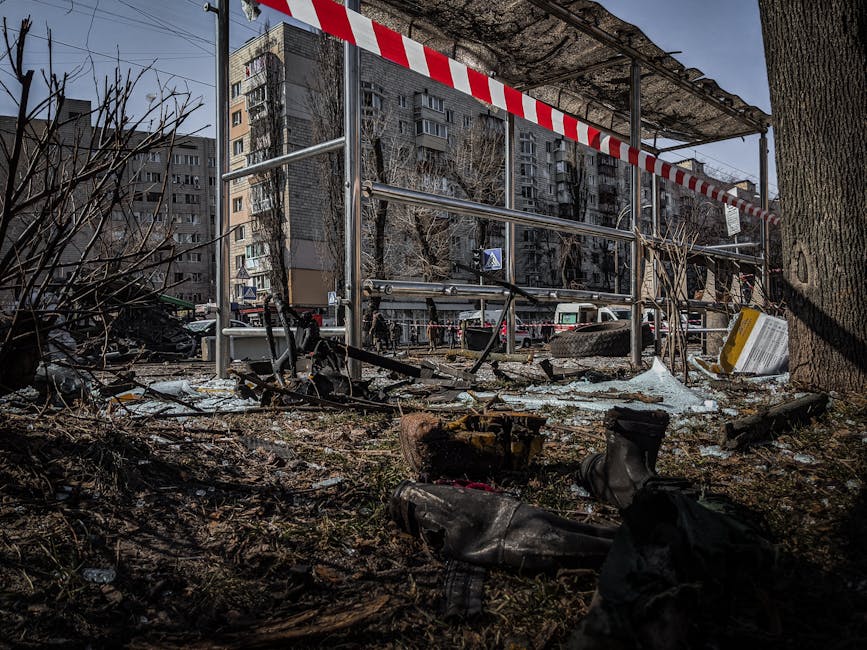
Russia’s Latest Drone Strikes Hit Kyiv Maternity Ward, Odesa, Ukraine Says
The ongoing conflict in Ukraine has seen a renewed intensification of Russian aerial attacks, with recent drone strikes reportedly targeting critical civilian infrastructure, including a maternity ward in Kyiv and other sites in Odesa. Ukrainian officials have condemned these actions as egregious violations of international humanitarian law and war crimes. The strikes, which occurred amidst a wider pattern of Russian aggression, underscore the persistent threat to civilian populations and the vulnerability of essential services in the war-torn nation. Reports indicate that the strikes were carried out using Iranian-made Shahed-136 kamikaze drones, a weapon system that Russia has increasingly relied upon for its long-range precision capabilities and its ability to evade Ukrainian air defenses. The targeting of a maternity ward, a location inherently associated with vulnerability and new life, has drawn particularly strong international condemnation, with many observers questioning the strategic rationale behind such a devastating and morally reprehensible act.
The specific details emerging from the aftermath of the Kyiv strike paint a harrowing picture. While initial reports varied, evidence suggests that at least one drone successfully impacted the vicinity of a medical facility providing care for pregnant women and newborns. The precise number of casualties and the extent of damage to the maternity ward remain under investigation, but preliminary assessments indicate a significant impact on its operational capacity. The psychological toll on expectant mothers, new mothers, and the medical staff who are tasked with providing care in such a volatile environment cannot be overstated. These strikes are not merely isolated incidents but represent a deliberate escalation of tactics aimed at terrorizing the civilian population and undermining Ukraine’s ability to function as a society. The targeting of medical facilities is explicitly prohibited under the Geneva Conventions and other international treaties designed to protect civilians during armed conflict. Russia’s alleged actions in this regard raise serious questions about its adherence to the fundamental principles of warfare.
Simultaneously, reports from Odesa detail a separate wave of drone attacks that have also inflicted damage and instilled fear. Odesa, a strategically vital port city on the Black Sea, has been a recurring target for Russian forces seeking to disrupt Ukraine’s maritime trade and exert control over its coastline. The nature and specific targets of the Odesa strikes are still being compiled, but they are understood to have impacted various civilian areas, potentially including residential buildings and critical infrastructure necessary for the city’s daily operations. The cumulative effect of these repeated attacks across different Ukrainian cities creates a climate of pervasive fear and insecurity, making it exceedingly difficult for ordinary citizens to lead normal lives. The economic implications for Odesa, a key economic hub for Ukraine, are also significant, as disruptions to its port operations and infrastructure can have cascading effects on national and international trade.
The use of Shahed-136 drones, often referred to as "suicide drones," presents a unique challenge for air defense systems. These drones are designed to fly at low altitudes and can be difficult to detect and intercept. Their relatively low cost and mass production enable Russia to sustain a high tempo of attacks, even in the face of Ukrainian air defense efforts. The reported efficacy of these drones in reaching targets deep within Ukrainian territory, including the capital city, highlights the ongoing need for advanced and sustained air defense support from international partners. Ukraine has repeatedly appealed for more sophisticated air defense systems, such as the Patriot missile system, to counter the persistent threat of drone and missile attacks. The effectiveness of these systems in intercepting and destroying incoming threats is paramount to protecting civilian lives and critical infrastructure.
The international response to these latest alleged attacks has been swift and largely condemnatory. Governments and international organizations have reiterated their commitment to holding Russia accountable for its actions. The United Nations Human Rights Monitoring Mission in Ukraine has been actively documenting alleged violations of international law, and the International Criminal Court (ICC) is conducting its own investigations into potential war crimes. The evidence gathered from sites like the Kyiv maternity ward and Odesa will undoubtedly contribute to these ongoing efforts to ensure accountability. However, the practical challenges of prosecuting individuals responsible for such acts, particularly within the context of an active conflict, are considerable. The diplomatic pressure on Russia to cease these attacks is mounting, but the effectiveness of such pressure in altering the course of military operations remains a subject of ongoing debate.
Beyond the immediate humanitarian concerns, these drone strikes have significant strategic implications. By targeting civilian infrastructure, including sites of extreme vulnerability like maternity wards, Russia aims to inflict maximum psychological impact and undermine Ukrainian morale. This tactic, often characterized as "terror bombing," seeks to break the will of the civilian population and pressure the Ukrainian government into concessions. Furthermore, these attacks serve as a stark reminder of the indiscriminate nature of modern warfare and the devastating consequences for non-combatants. The international community faces a constant struggle to balance the imperative of supporting Ukraine’s defense with the need to prevent further civilian casualties and the escalation of the conflict.
The economic ramifications of these repeated attacks are also substantial. Ukraine’s infrastructure, much of which has been repeatedly damaged, requires extensive and costly repairs. The disruption to energy grids, transportation networks, and critical services like healthcare directly impacts the nation’s ability to function and recover. The targeting of port facilities in Odesa, a crucial gateway for Ukrainian exports, has a ripple effect on global food and energy markets, exacerbating existing economic challenges. The international community’s commitment to providing financial and reconstruction aid is vital, but the ongoing destruction creates a continuous cycle of damage and repair that strains resources.
The narrative surrounding these strikes is complex and contested. Russia often denies targeting civilian infrastructure, claiming its attacks are aimed at legitimate military objectives. However, the consistent pattern of civilian casualties and damage to non-military sites, as evidenced by the Kyiv maternity ward incident, strongly contradicts these assertions. Independent investigations and eyewitness accounts play a crucial role in establishing the facts on the ground and holding perpetrators accountable. The use of misinformation and propaganda by both sides in the conflict further complicates the information landscape, making it essential for reliable and credible sources to disseminate accurate information.
The psychological impact on the Ukrainian population cannot be overstated. The constant threat of aerial bombardment, regardless of the specific target, creates a pervasive sense of anxiety and fear. For those living in proximity to potential targets, or for individuals who have already experienced loss or displacement, these strikes can re-traumatize and further erode their sense of security. The resilience of the Ukrainian people in the face of such sustained aggression is remarkable, but the cumulative toll of such experiences is a significant concern for the long-term well-being of the nation. Providing psychological support and mental health services is an increasingly vital component of the broader humanitarian response.
The ongoing reliance on Iranian-made drones by Russia raises concerns about the proliferation of such weapons and the potential for their use in other conflicts. The international community is working to curtail the supply of these weapons to Russia, but the effectiveness of these efforts is often hampered by the complex geopolitical landscape and the clandestine nature of arms transfers. The development and deployment of advanced counter-drone technologies by Ukraine and its allies are therefore critical in mitigating the impact of these aerial threats. This includes not only interceptor systems but also electronic warfare capabilities designed to disrupt drone communications and navigation.
The legal ramifications of these alleged attacks are profound. War crimes tribunals and international courts are crucial mechanisms for seeking justice for victims and deterring future atrocities. The evidence gathered from the Kyiv maternity ward and other sites of alleged violations will be vital for these proceedings. However, the process of bringing perpetrators to justice can be lengthy and arduous, particularly when dealing with state-sponsored aggression. The international community’s commitment to the rule of law and accountability is tested in these situations, and sustained diplomatic and legal pressure is essential.
In conclusion, the recent drone strikes by Russia on a maternity ward in Kyiv and sites in Odesa represent a grave escalation of the ongoing conflict and a clear violation of international humanitarian law. The deliberate targeting of civilian infrastructure, particularly a location synonymous with the protection of vulnerable life, is an act of barbarism that demands unequivocal condemnation and accountability. The international community must continue to provide robust support for Ukraine’s defense, including advanced air defense systems, while simultaneously pursuing all avenues to hold Russia accountable for its alleged war crimes. The resilience of the Ukrainian people and their ongoing struggle for sovereignty and security underscore the urgent need for continued global solidarity and action. The echoes of these strikes serve as a stark reminder of the devastating human cost of unchecked aggression and the imperative to defend universal principles of humanity and justice.
