University of Louisville Researchers Discover Gut Microbial Compound That May Transform Inflammatory Bowel Disease Treatment

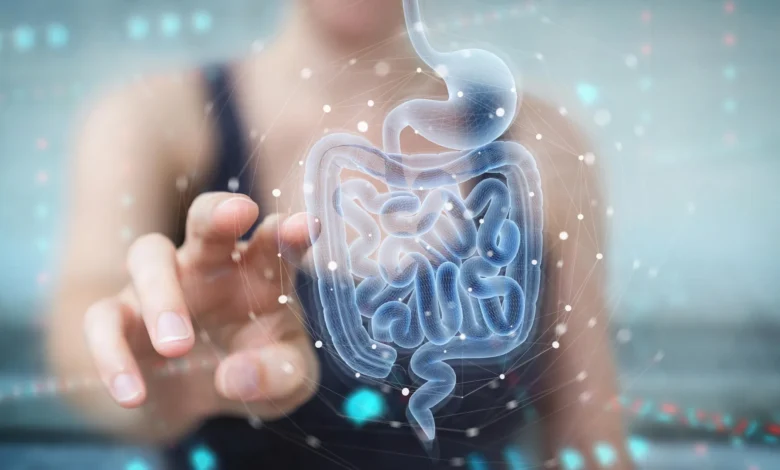
The landscape of gastroenterology is undergoing a significant shift as researchers at the University of Louisville (UofL) have uncovered a precise mechanism by which a naturally occurring compound, derived from the breakdown of dietary fibers by gut bacteria, fortifies the intestinal lining. This discovery, detailed in the peer-reviewed journal Nature Communications, offers a new paradigm for treating inflammatory bowel disease (IBD)—a chronic, debilitating condition that affects millions of people globally and encompasses both Crohn’s disease and ulcerative colitis. By elucidating how the metabolite urolithin A (UroA) interacts with cellular sensors to promote healing rather than inflammation, the research team has moved closer to developing targeted therapies that could replace the broad-spectrum immunosuppressants currently used as standard care.
The Scope of the IBD Crisis
Inflammatory bowel disease represents a complex, chronic inflammatory state of the gastrointestinal tract. Unlike temporary infections, IBD is characterized by cycles of flare-ups and remissions, resulting from a breakdown in the delicate mucosal barrier of the intestine. In a healthy state, this barrier acts as a selective filter, allowing essential nutrients to permeate the bloodstream while sequestering trillions of gut microbes and their byproducts.
When this barrier integrity is compromised—a hallmark of both Crohn’s disease and ulcerative colitis—the immune system mistakenly attacks the gut wall. This leads to symptoms including severe abdominal pain, persistent diarrhea, fatigue, and weight loss. According to the Centers for Disease Control and Prevention (CDC), an estimated 3.1 million adults in the United States alone have been diagnosed with some form of IBD. Globally, the prevalence is rising, particularly in industrialized nations, putting immense pressure on healthcare systems and significantly diminishing the quality of life for affected patients. Current pharmacological interventions primarily rely on biologics and steroids, which often suppress the entire immune system, leaving patients vulnerable to secondary infections and long-term side effects.
Decoding the Microbial-Dietary Connection
The research, spearheaded by Dr. Venkatakrishna Rao Jala, an associate professor in the Department of Microbiology and Immunology at UofL’s Brown Cancer Center, focuses on the metabolic products of the human microbiome. UroA is not found directly in food; rather, it is synthesized by specific gut bacteria after the ingestion of ellagitannins, compounds abundant in pomegranates, walnuts, and various berries.
For years, the scientific community has been aware of the aryl hydrocarbon receptor (AHR), a protein that serves as an environmental sensor within cells. While AHR is essential for homeostasis, its activation by environmental pollutants has long been associated with toxicity and adverse health outcomes. This created a paradox in medical research: why would the same receptor sometimes facilitate harm and other times appear to support health?
The UofL study provides a definitive answer: the functional outcome of AHR activation is dictated by both the spatial location of the activation and the biochemical strength of the signal. By focusing on intestinal epithelial cells—the "front line" of the gut barrier—the researchers observed that UroA acts as a precision key, unlocking a protective pathway that remains dormant under toxic stress.
Chronology of the Research Breakthrough
The path to this discovery was built upon a multi-year effort to understand the interaction between diet and gut immunity.
- 2018: Dr. Jala and his colleagues published foundational research identifying the anti-inflammatory properties of UroA in the gut, establishing that this microbial metabolite could modulate immune responses.
- 2019–2021: The team transitioned into mechanistic studies, utilizing organoid models—miniature, 3D representations of human intestinal tissue—to observe how UroA influences cellular behavior in a controlled environment.
- 2022: Researchers successfully isolated the specific interaction between UroA and the AHR in epithelial cells, noting the activation of the NLRP6 inflammasome.
- 2023–2024: The study concluded with the validation of these pathways in human tissue samples harvested from IBD patients, confirming that the protective mechanism functions consistently in human biological systems.
The Role of the NLRP6 Inflammasome
One of the most counterintuitive findings of the UofL study involves the NLRP6 inflammasome. Traditionally, inflammasomes are viewed as molecular "switches" that trigger inflammation to combat pathogens. However, the UofL team demonstrated that in the specific context of the intestinal lining, UroA-mediated activation of NLRP6 shifts the cell’s role from defensive to restorative.
Instead of inducing a cytokine storm, this activation prompts the cells to release specific molecules that reinforce the gut’s physical barrier. This includes the increased production of protective mucus, which acts as a physical shield against bacterial infiltration, and the upregulation of antimicrobial peptides that maintain a healthy microbiome balance. Essentially, the researchers have discovered how to "program" the gut’s existing machinery to repair itself.
Lead investigator Sweta Ghosh noted that the study challenges the binary view of inflammation. "The findings show that not all inflammatory pathways are harmful," Ghosh stated. "Under the right conditions and in the right cells, these pathways can play an essential role in maintaining gut health and supporting tissue repair."
Clinical Implications and Targeted Therapy
The implications for clinical practice are profound. Current IBD treatments are largely systemic; they attempt to "calm" the immune system by dampening its activity across the entire body. This broad approach is often effective but carries a high cost in terms of patient health, as it disrupts natural immune defenses.
The UofL approach advocates for a "precision medicine" model. By identifying the specific receptors and pathways that drive tissue repair, pharmaceutical developers may eventually create drugs that act only on intestinal epithelial cells. Such a treatment would theoretically bypass the risks of systemic immunosuppression, offering patients a way to heal the gut lining directly without compromising their overall ability to fight infection.
"This study helps us better understand how natural compounds produced through interactions between diet, gut microbes and the body can influence disease processes," Dr. Jala remarked. "By identifying this specific protective pathway, we may be able to develop more targeted therapeutic approaches that restore intestinal balance instead of broadly suppressing immune responses."
Broader Impact on Gastrointestinal Research
The scientific community has responded to the study as a significant step forward in the field of nutritional immunology. By bridging the gap between diet, microbiology, and molecular biology, the UofL team has provided a blueprint for how complex diseases might be managed through the modulation of internal biological processes rather than just the inhibition of external symptoms.
Furthermore, the study highlights the importance of the gut-microbiome axis in human health. As diet patterns shift globally, the loss of microbial diversity—often attributed to processed food consumption—may be limiting the body’s natural ability to produce compounds like UroA. This research suggests that dietary interventions, in combination with targeted pharmacological support, could become the gold standard for managing chronic conditions.
Future Directions
As the research moves forward, the team at the University of Louisville intends to explore how individual variations in the gut microbiome affect the efficacy of UroA. Because UroA is produced by specific bacteria, not every person possesses the microbial profile necessary to convert dietary ellagitannins into the active compound. This realization suggests that "personalized nutrition"—where patients are tested for their microbial ability to synthesize protective compounds—could be the next frontier in gastroenterology.
While the current findings are primarily pre-clinical, the use of human patient tissue in the study provides a robust bridge to future clinical trials. The scientific community will be watching closely as the UofL team and their partners work to translate these molecular insights into tangible, patient-facing therapies. For the millions of individuals living with the chronic uncertainty of IBD, this work offers more than just a mechanistic explanation; it offers the promise of a more targeted, effective, and tolerable path to remission.
Related posts: