Environmental Groups Launch Legal Challenges Against EPA Proposal to Roll Back Power Plant Carbon Regulations

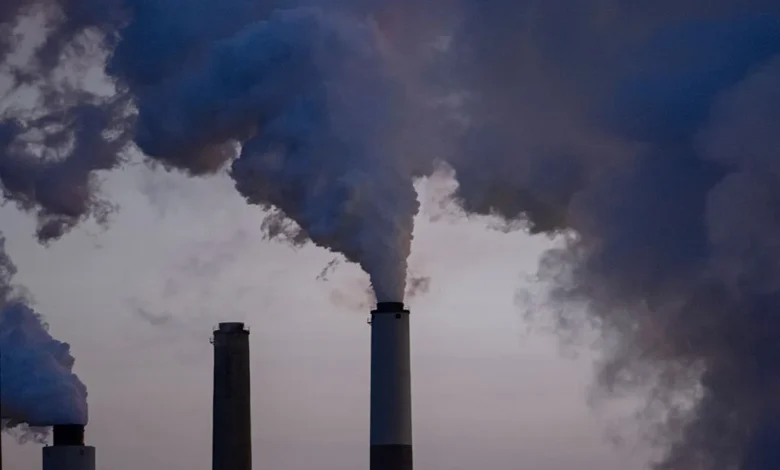
The Environmental Protection Agency’s (EPA) recent proposal to rescind existing carbon pollution standards for power plants has ignited a firestorm of controversy, prompting a coordinated legal response from a coalition of environmental advocacy groups. As the agency moves to dismantle regulatory frameworks intended to curb greenhouse gas emissions, public health experts, climate scientists, and legal advocates are warning of profound, long-term consequences for the American climate landscape, public health outcomes, and the national economy. This development marks a significant pivot in federal environmental policy, shifting away from the aggressive decarbonization targets established in previous years toward a more permissive regulatory environment for fossil-fuel-reliant energy sectors.
The Regulatory Landscape and the Current EPA Proposal
The current controversy centers on the EPA’s intent to repeal or significantly weaken standards that require power plants to mitigate carbon dioxide emissions. The power sector remains one of the largest contributors to domestic greenhouse gas emissions, making it a focal point for federal climate strategy. Proponents of the rollback argue that the current regulatory burden on coal and natural gas plants stifles energy independence and drives up utility costs for consumers. However, critics contend that the EPA is abdicating its statutory duty under the Clean Air Act, which mandates the regulation of pollutants that endanger public health and welfare.
The EPA has initiated a formal rulemaking process to solicit public feedback, which includes an upcoming public hearing and an open comment period extending through October. Despite the agency’s invitation for public discourse, the environmental coalition—led by organizations such as the Environmental Defense Fund (EDF) and Clean Wisconsin—has already signaled its intent to challenge the move in federal court, arguing that the rollback violates both the spirit and the letter of environmental law.
Regional Impacts: The Case of Wisconsin
For states like Wisconsin, the implications of the EPA’s proposed policy change are not merely theoretical. Brett Korte, a senior staff attorney for Clean Wisconsin, emphasized that the state is already on the front lines of climate change. According to Korte, the regional climate is undergoing a rapid transition characterized by warmer winters with diminished snow and ice cover, an increase in the frequency of extreme heat waves, and a surge in violent weather events, including flooding and tornado activity.
Beyond the shifting weather patterns, Wisconsin’s internal data highlights the precarious nature of its public health. The state reportedly suffers from the ninth-highest death rate related to particulate matter pollution stemming from fossil fuel combustion. By relaxing the standards that govern how these power plants operate, advocates argue that the EPA is effectively prioritizing industrial convenience over the respiratory and cardiovascular health of the population. Korte’s assessment is that the agency’s retreat from carbon regulation will exacerbate an already fragile public health crisis, leading to increased hospitalizations and mortality rates tied to air quality degradation.
National Health and Economic Implications
The concerns raised by Wisconsin advocates are echoed on a national scale by experts at the Environmental Defense Fund. Vickie Patton, the general counsel for the EDF, argues that the timing of the EPA’s proposal is particularly egregious given the current climate trajectory. "More Americans than ever are suffering from the dangerous heat and more powerful storms caused by that pollution and are facing the ensuing skyrocketing insurance bills and health costs," Patton stated.
The economic analysis provided by the EDF paints a grim picture. By facilitating an increase in power plant emissions, the proposed rule change is estimated to result in thousands of premature deaths and billions of dollars in additional health-related costs nationwide. The logic behind this projection is rooted in the known epidemiological links between power plant emissions—specifically fine particulate matter (PM2.5) and nitrogen oxides—and chronic respiratory and heart diseases. When emission controls are rolled back, these pollutants concentrate in the atmosphere, disproportionately affecting vulnerable populations, including the elderly, children, and low-income communities residing near industrial sites.
Chronology of Federal Climate Policy
The trajectory of U.S. power plant regulation has been a pendulum swing of executive and administrative actions over the past two decades.
- 2007: In Massachusetts v. EPA, the Supreme Court ruled that the EPA has the authority to regulate greenhouse gases under the Clean Air Act, provided the agency determines they endanger public health.
- 2015: The Obama administration introduced the Clean Power Plan (CPP), designed to set state-specific targets for carbon emission reductions.
- 2019: The Trump administration repealed the CPP, replacing it with the Affordable Clean Energy (ACE) rule, which offered more flexibility to states.
- 2022: In West Virginia v. EPA, the Supreme Court limited the EPA’s ability to force a shift away from coal-fired power plants, narrowing the agency’s regulatory reach.
- 2024–2025: The current EPA administration proposed the recent rollback, citing a need to align with evolving judicial interpretations and to maintain grid reliability.
This historical context demonstrates that the current dispute is part of a broader, decades-long legal struggle over the extent of federal authority in climate regulation. Each administration has attempted to redefine the EPA’s mandate, often resulting in prolonged litigation that leaves the energy sector in a state of regulatory uncertainty.
Broader Implications for the American Public
The implications of the EPA’s current path extend beyond the immediate legal challenges. If the rollback is finalized and survives judicial review, it could set a precedent that undermines future climate mitigation efforts. Experts argue that the cumulative effect of these policy shifts is a loss of global credibility, as the United States attempts to negotiate international climate agreements while simultaneously weakening domestic standards.
Furthermore, the financial burden of this policy shift may be hidden from the average consumer in the short term, but it is likely to manifest as a long-term "hidden tax." As extreme weather events become more common, the costs of disaster recovery, insurance premiums, and healthcare spending are projected to rise. Critics of the rollback argue that by choosing not to regulate carbon at the source, the government is essentially shifting the financial burden of climate-related damages from the energy companies onto taxpayers and the public health system.
The Role of Public Participation
The EPA’s solicitation of public comments, which has already drawn thousands of submissions, serves as a crucial check in the rulemaking process. The agency is legally required to review and address substantive comments provided during the public hearing and the open comment period. For many organizations, these public hearings represent the final opportunity to present evidence on how the rule change will affect specific communities before the policy is finalized.
"We are taking action in the court of law to ensure the EPA carries out its responsibilities under our nation’s clean air laws to protect the American people from this harmful pollution," Patton stated. The legal strategy of these advocacy groups likely involves filing for injunctions or seeking judicial review of the final rule to argue that the agency’s decision-making process was arbitrary or capricious—a common standard for challenging federal agency actions.
Conclusion
The clash between the EPA’s current regulatory trajectory and the demands of environmental advocacy groups underscores a fundamental tension in American governance: the struggle to balance economic development and energy security with the imperative to protect public health and the environment. As the comment period draws to a close and the threat of litigation looms, the nation remains divided on the best path forward. The outcome of this dispute will not only define the immediate future of air quality standards but will also serve as a benchmark for how the United States approaches the existential threat of climate change in the coming decade. The reliance on coal and natural gas remains a central pillar of the energy grid, but the environmental costs of that reliance are increasingly being measured in human lives and economic instability, setting the stage for a protracted legal battle that will reach the highest courts in the land.